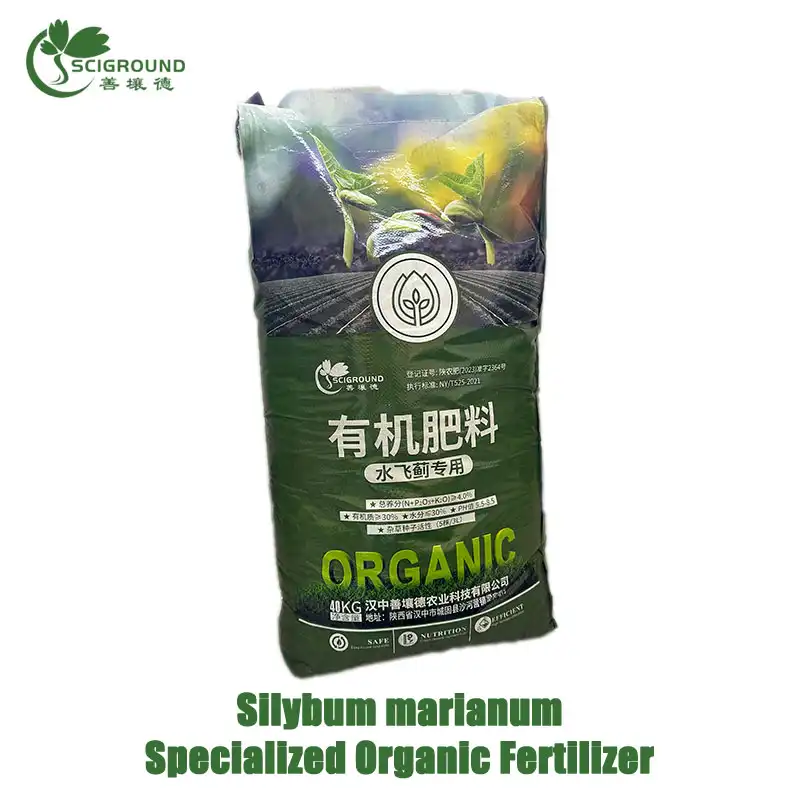
Organic Fertilizer for Milk Thistle
Target Crop: Milk Thistle (Silybum marianum)
Main Ingredients: Organic matter, humic acid, NPK nutrients, beneficial microbes, trace elements
Function: Supports crop-specific growth, improves root development and uniform plant growth
Application Method: Basal application + strip/band topdressing
Application Rate: 300–500 kg/ha
Suitable For: Milk thistle cultivation and medicinal crop production
Key Benefit: Improves yield stability and crop uniformity
Storage: Store in dry, cool, ventilated conditions
Product Description
What is Organic Fertilizer for Milk Thistle?
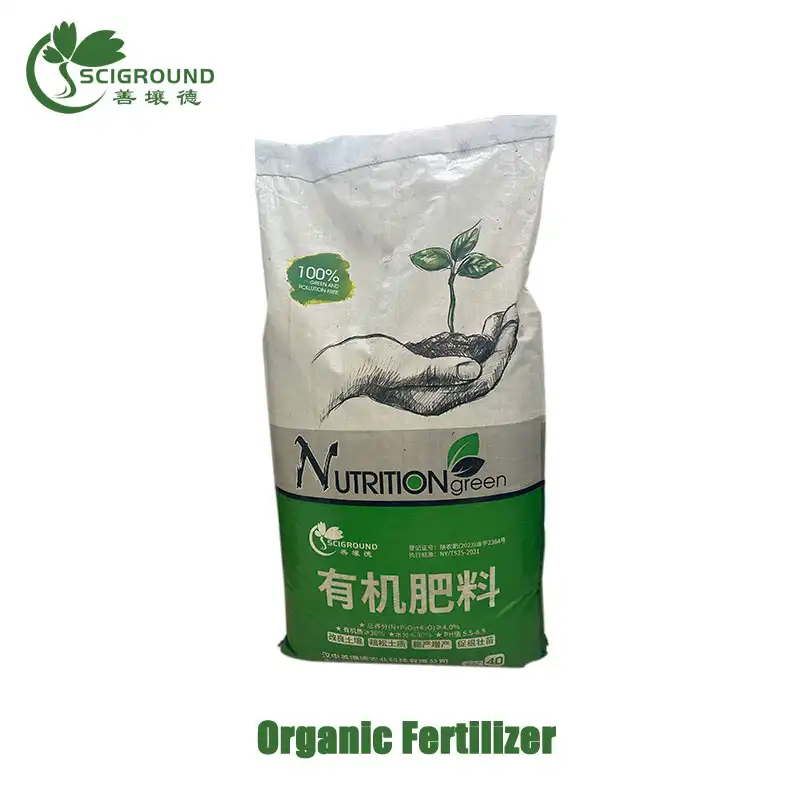
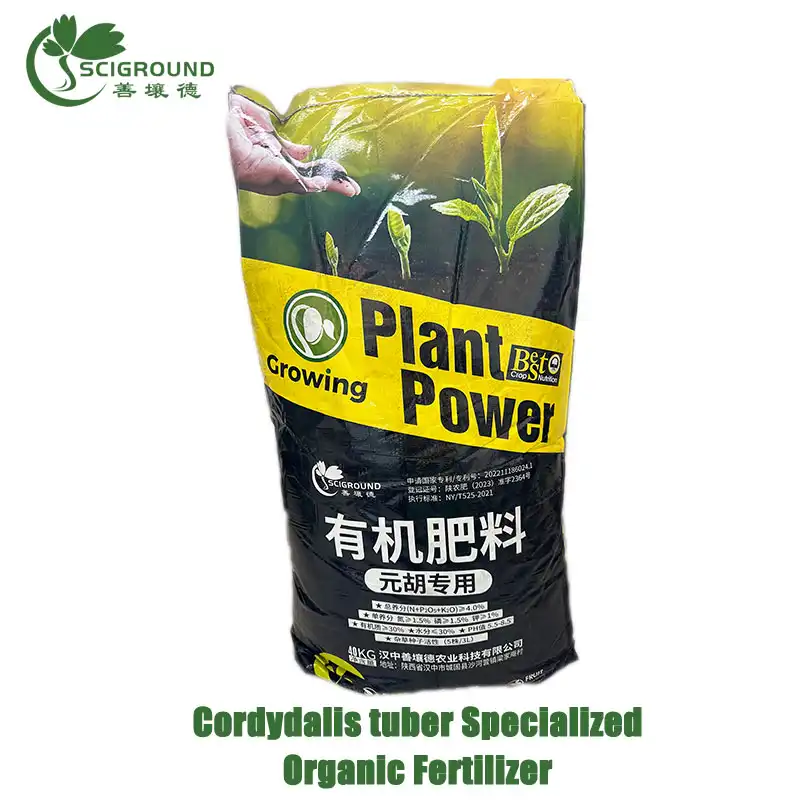
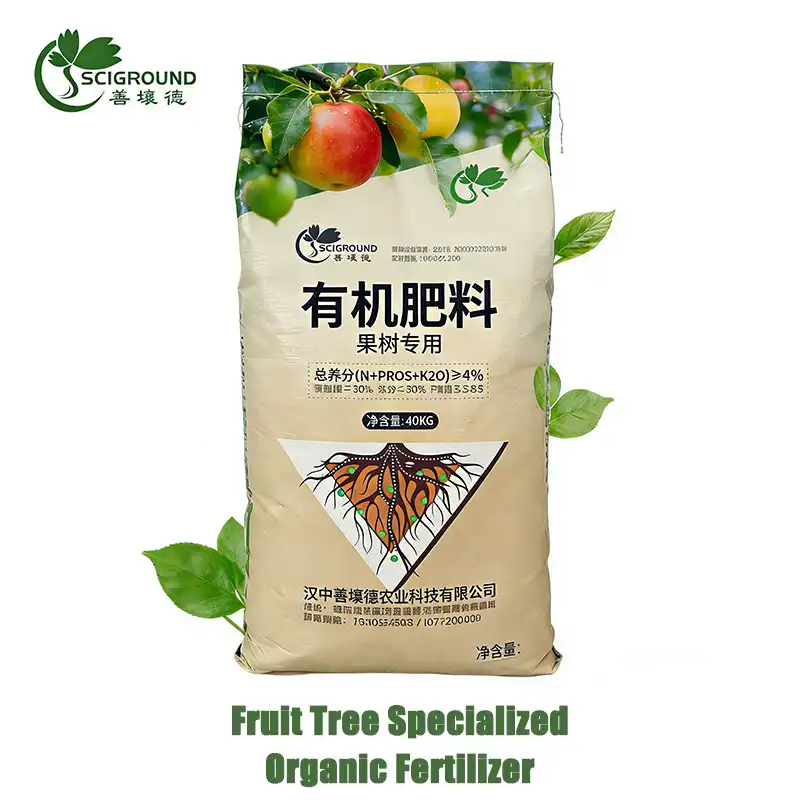
Organic Fertilizer for Milk Thistle (Silybum marianum Specialized Fertilizer) is a crop-targeted nutrient system specially developed to satisfy the physiological growth needs and commercial cultivation needs of milk thistle. Its formulation is based on the rooting pattern of the crop, the rhythm of nutrient uptake and development of biomass, and aims to ensure uniform quality and performance of the crop throughout the growing cycle. The formulation usually consists of a well-fermented organic matter-based carrier, with natural humic acid and organic acids derived from plants to increase nutrient availability to the soil and act as a stimulator of root zone activity. A balanced NPK ratio is added to stimulate early vegetative growth, root development, and seed production later in the season, and secondary nutrients like magnesium, calcium, iron, zinc, and manganese are added to promote chlorophyll formation and enzyme activity related to plant metabolism. Furthermore, microbial strains like Bacillus spp. and other useful microorganisms are frequently added to enhance the microbial balance in the rhizosphere, enhance soil organic matter mineralisation, and increase the efficiency of nutrient cycling in the soil. This special formulation is especially relevant for the production of Silybum marianum due to its ability to keep a constant plant vitality, to ensure uniform canopy formation, and to favour a regular pattern of seed yield formation in the field.

To learn more about our products and services, please contact us at info@scigroundbio.com. Let us help you nurture your farm with the power of science-based organic nutrition.
Features
1. Crop-targeted formulation
Organic Fertilizer is specially formulated to fit the developmental requirements of milk thistle from the time it is established as a root to seed setting, and a nutrient balance is provided throughout the plant's development.
2. Optimized NPK nutrient structure
Has a balanced ratio of nitrogen, phosphorus, and potassium for continued vegetative development and consistent reproductive output.
3. Humic acid enrichment system
Contains humic substances of natural and plant origin that increase the nutrient availability of soil, increase the cation exchange capacity, and enhance the root-zone activity.
4. Root development enhancement
It is designed to encourage root growth into the ground, where it will anchor milk thistle and boost its ability to efficiently absorb nutrients.
5. Beneficial microbial integration
Adds soil microorganisms that are functional, like Bacillus species, which promote soil ecology, organic matter breakdown, and nutrient cycling.
6. Trace element supplementation
Supplies key micronutrients such as magnesium, iron, zinc, and manganese, which are important to the processes of enzyme activity and chlorophyll formation essential to plant metabolism.
7. Growth-stage nutrient release behavior
The nutrient release profile corresponds with the various stages of crop development, with continuous and balanced nutrient release during the crop growth.
8. Field performance stability
Aids to uniform plant growth, adaptability to stress, and consistent seed production under various soil and environmental conditions.
How to use Organic Fertilizer for Milk Thistle?
1. Soil preparation (pre-planting incorporation)
Fertilize evenly on the soil surface 10–20 days prior to sowing or transplanting. It is recommended to be well incorporated into the topsoil layer (15–30 cm), which will ensure a uniform nutrient profile in the soil and early activation of the root zone.
2. Basal application (main fertilization stage)
Use as the first nutrient application for planting. Usages in the field are around 300–500 kg/ha depending on the fertility and the organic matter content of the soil. This stage is conducive to germination, establishment of seedlings, and initial root growth.
3. Row or band application (targeted placement)
If fertilising is to be done, it is best to apply it in planting rows/rows of seeds or seedlings, 5- 8 cm from the plants. This ensures greater nutrient availability and less nutrient loss and aids in early root-to-soil interaction.
4. Top dressing during vegetative growth
Fertilize again at the sprout and new leaf (25-45 days after emergence) growth period. This can help to maintain biomass and promote a good canopy.
5. Pre-flowering supplementation
A light application prior to flowering can assist during the reproductive transition to provide for nutrient requirements, leading to more uniformity in flowering and seed setting.
6. Irrigation integration (if applicable)
Following application, a light irrigation is recommended to help activate microbial activities and release nutrients. Don't over-water, as this can wash nutrients out of the sand.
7. Soil condition adjustment strategy
The rate of Milk Thistle Fertilizer application should be modified depending on soil testing results (particularly organic matter, pH, and NPK content). A higher basal input may be necessary in poor soils, and a decreased basal input may be necessary in fertile soils.
8. Seasonal application adjustment
In areas where the growing season is longer, basal and 1–2 top dressings (split applications) are best to provide a consistent nutrient supply over the entire growing season of milk thistle.

Benefits
1. Improved field emergence uniformity
This Natural Organic Fertilizer facilitates uniform germination and seedling establishment, which helps to ensure uniform crop stand and less patchy growth of milk thistle.
2. Enhanced root system development
Encourages more and deeper root penetration so plants can better utilize nutrients and moisture in the soil.
3. Increased nutrient utilization efficiency
Improves nutrient availability in the soil, nutrient availability at the rhizosphere, and increased nutrient uptake, thus maximizing the uptake of nutrients applied.
4. Stronger vegetative growth performance
Encourages an even growth of leaves and stems in the vegetative phase of growth for a good foundation for the reproductive phase growth.
5. Improved plant uniformity and stand consistency
Can help minimise plant height and vigor variation, promoting more uniform crop stands for easier commercial crop management.
6. Better seed formation stability
Maintains a consistent supply of nutrients during the reproductive stage, which helps to ensure a more consistent development of seeds and field output reliability.
7. Enhanced stress adaptability
Increases plant tolerance to environmental factors, like drought, temperature extremes, or poor soil fertility, which makes for a more stable plant growth.
8. Overall yield stability improvement
Helps ensure a more consistent and reliable harvest as they promote even growth in all stages of milk thistle development.
Corporate Certifications

Quality Assurance Center
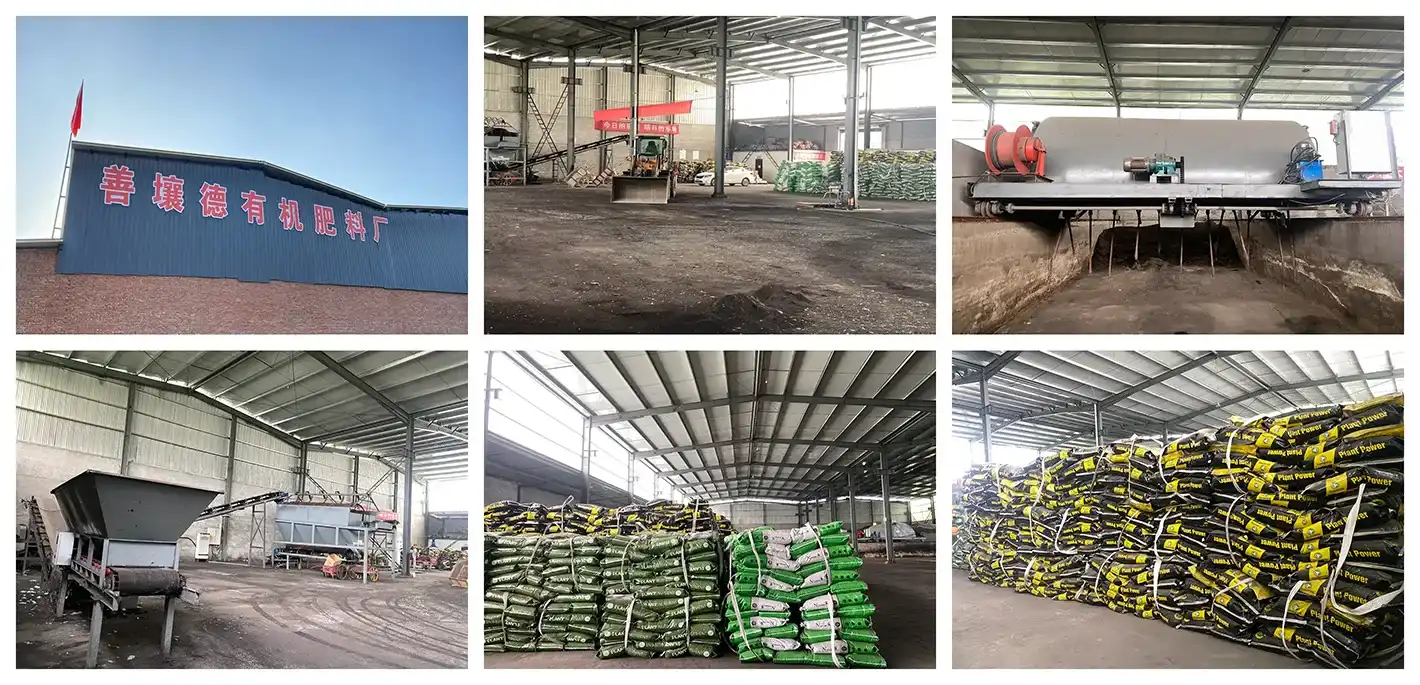
Sciground Manufacturing
Send Inquiry