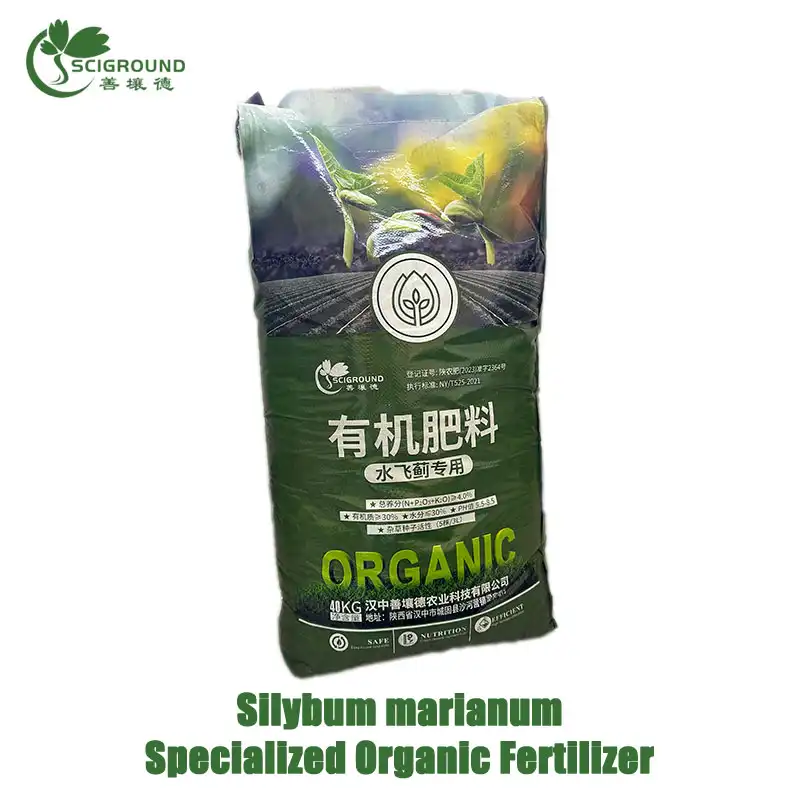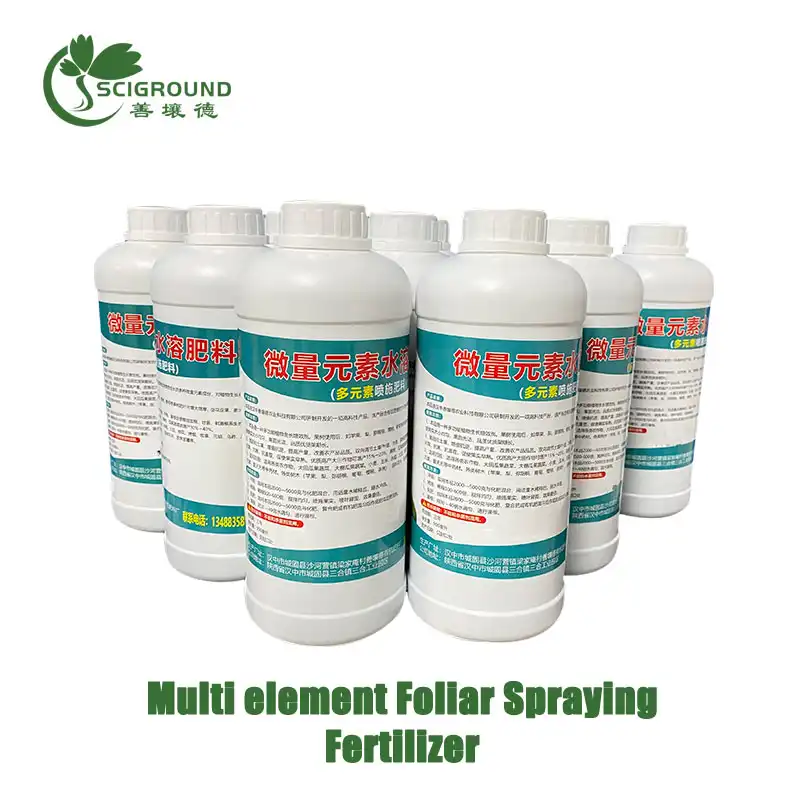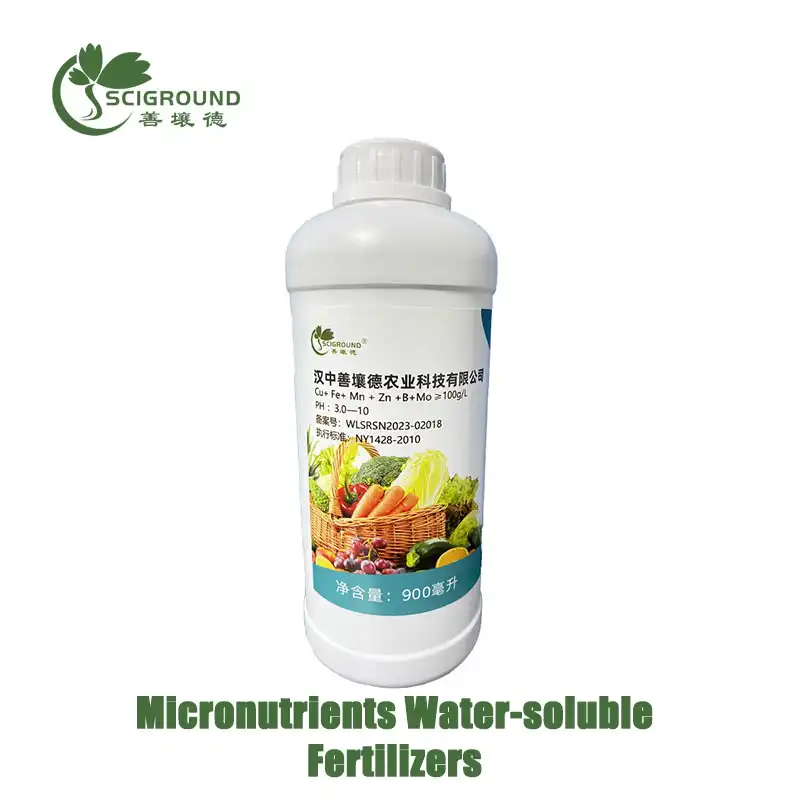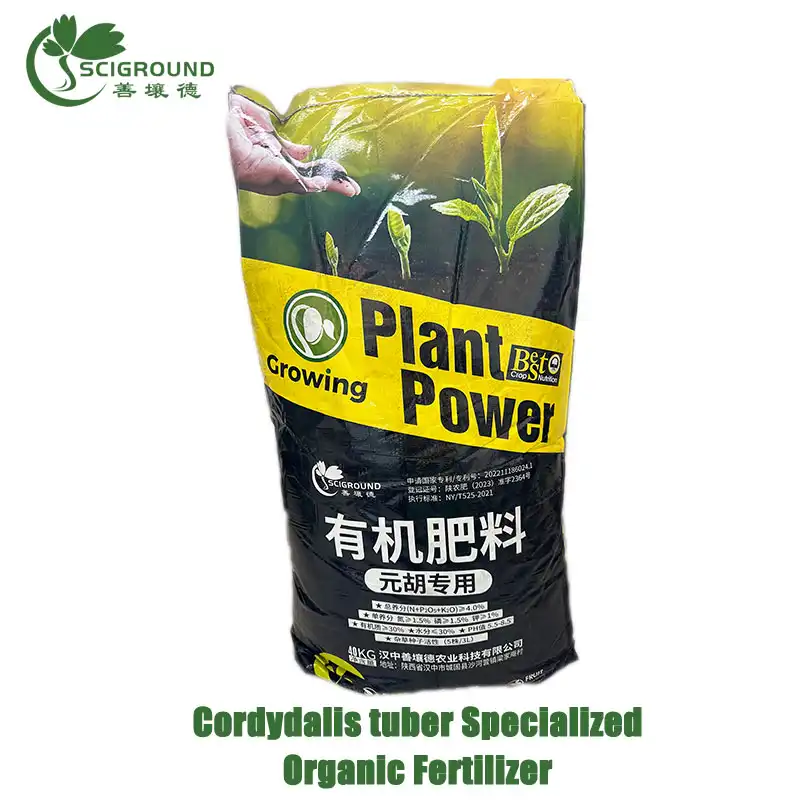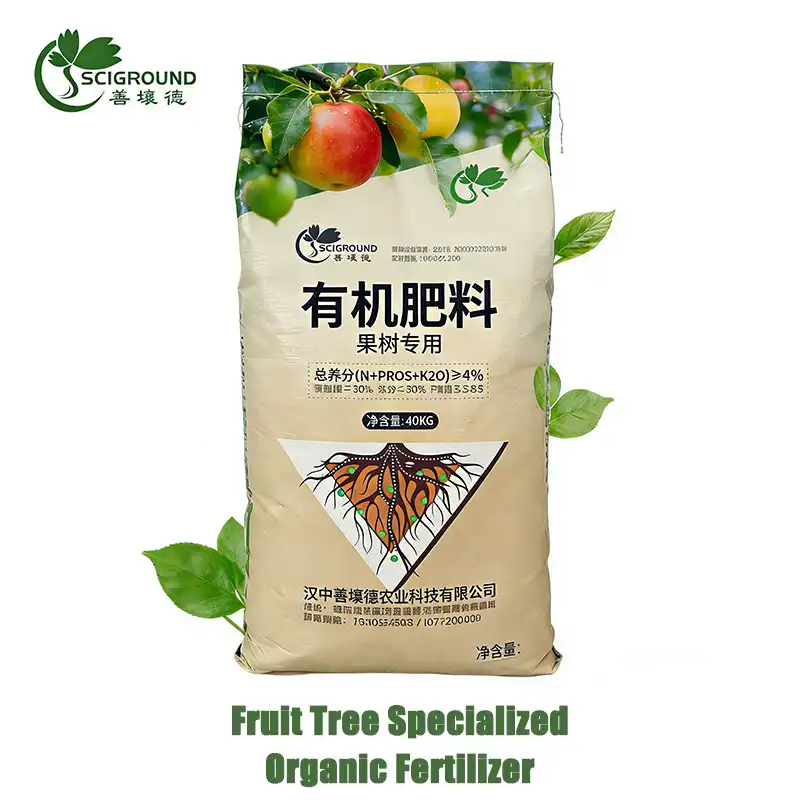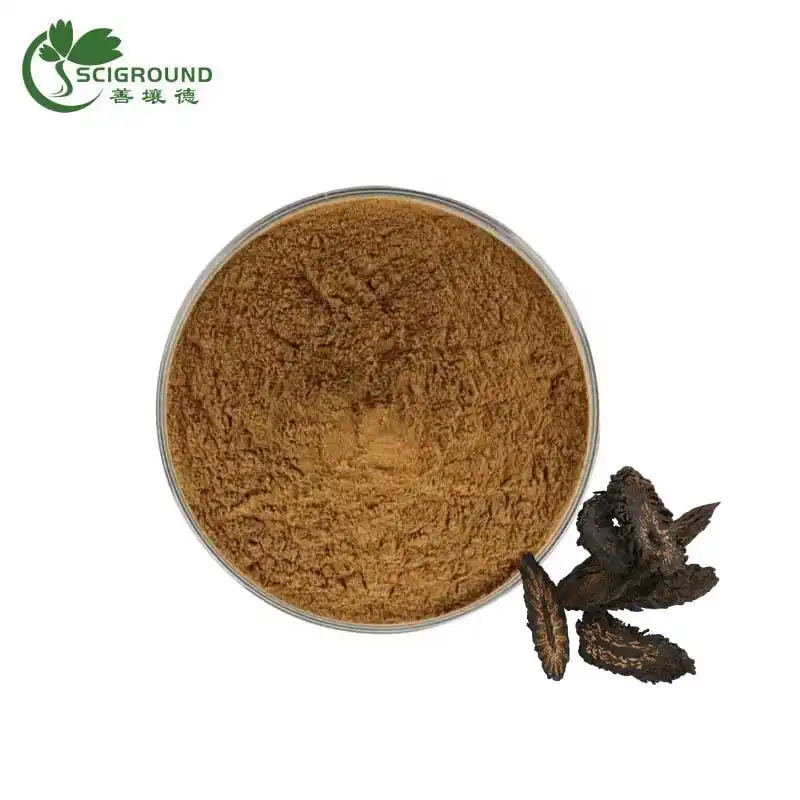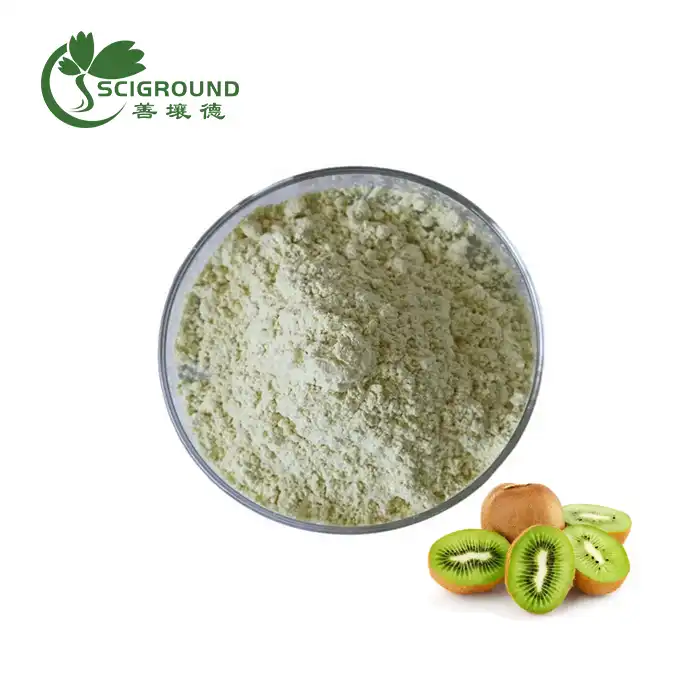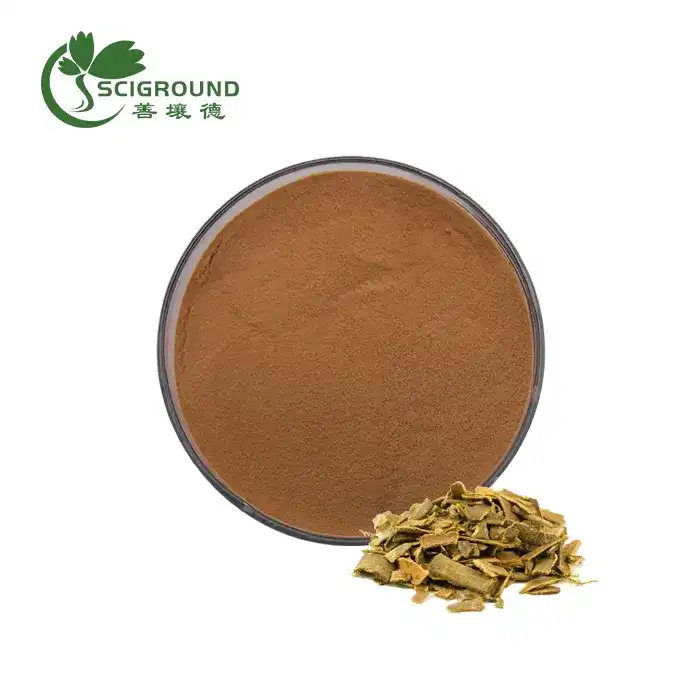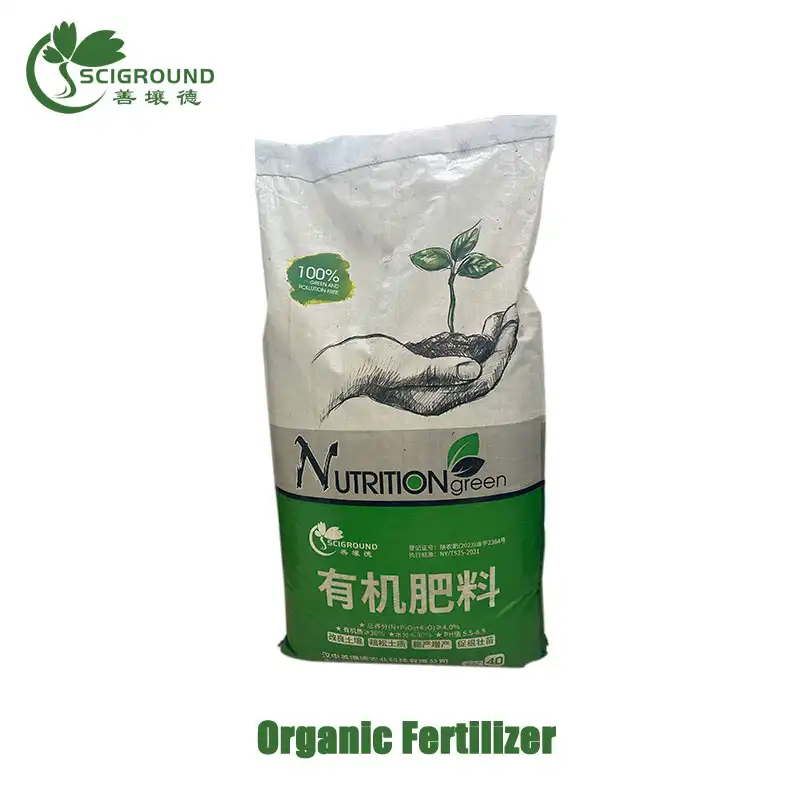
Bulk Organic Fertilizer
Target Crop: All field crops and agricultural systems
Main Ingredients: Compost, organic residues, humic acid, plant-based carbon
Function: Improves soil organic matter and soil structure
Application Method: Broadcast and soil incorporation
Application Rate: 500–1500 kg/ha
Suitable For: Farmland soil improvement and large-scale cultivation
Key Benefit: Enhances soil fertility and long-term productivity
Storage: Keep dry, avoid moisture and direct sunlight
Product Description
What is Bulk Organic Fertilizer?
Bulk Organic Fertilizer is a soil nutrition product that is produced on a large scale from natural organic materials to improve soil fertility, structure, and long-term productivity in sustainable farming. Sciground brand organic fertilizer contains a wide range of highly active trace minerals, useful microorganisms, plant-based humic substances, soluble natural humic acid, and organic matter, which synergistically deliver complete nutrition for plant growth. It can provide long-term nutrient release, mainly providing short-term nutrient input, while it can also effectively improve the water holding capacity, soil aggregation, microbial activity, and rejuvenate soil health, reducing soil compaction, which can restore the vitality of the soil naturally. It also helps to lessen the adverse impacts of over-fertilization with chemical fertilizers like reduction in the flavor of crops, bland melon, unsweet fruit, and bland vegetables or grain, which can be attributed to low efficiency of absorption of nutrients by plants. It continuously conditions the soil and activates it biologically, thus favouring better root development, better use of the nutrients, and better overall performance of the plant. As a production tool, it can contribute to stable yield improvement as well as improve the quality, taste, and market value of the agricultural products, thereby promoting the profitability of the growers and large-scale farms.
To learn more about our products and services, please contact us at info@scigroundbio.com. Let us help you nurture your farm with the power of science-based organic nutrition.
Features
1. Advanced Purification Technology
Removes harmful insoluble impurities and improves the quality of Organic Fertilizer and nutrient activity in organic raw materials.
2. Soluble Humic Acid Formula
Makes humic acid more soluble and faster absorbed for higher utilisation efficiency.
3. Rich Organic Matter
Supplies ample organic nutrients and active trace minerals to help maintain crop stability.
4. Beneficial Microbial Support
Includes active beneficial microorganisms that contribute to the enhancement of the vitality of the soil and the conversion of nutrients.
5. Improves Soil Condition
Assists in breaking compaction, increasing aeration and water and nutrient holding capacity in the soil.
6. Enhanced Nutrient Efficiency
Facilitates easier uptake of essential nutrients and decreases nutrient losses when the application is made.
7. Sustainable and Eco-Friendly
Sourced from natural organic sources and suitable for environmentally friendly farming practices.
Benefits
1. Drought Resistance
In improving the water holding capacity of soil, it also hinders water evaporation, thus enabling a crop to withstand droughts, due to its ability to aggregate soil.
2. Cold Resistance
Generates stable soil aggregates that retain moisture and nutrients to ensure more stable soil temperature and moisture in low-temperature conditions.
3. Salt and Alkali Tolerance
Organic weak acids help to buffer the pH of soil and minimize the effect of high salt loads by chelating harmful ions and enhancing the buffering capacity of the soil.
4. Soil Microbial Improvement
Promotes the proliferation of good microbes and inhibits undesirable bacteria, creating a more balanced and healthy soil environment.
5. Growth Stimulation
Encourages the growth of roots and exchanges in soil, leading to healthier root systems and plant growth development.
6. Slow-Release Nutrient Effect
Stabilises key nutrients, minimizing nutrient losses and enhancing fertilizer use efficiency with time.
7. Soil Fertility Enhancement
Enhances soil organic matter and hastens soil fertility development to speed soil condition improvement.
8. Eco-Friendly Soil Remediation
Enables uptake of remaining agrochemicals and binding of heavy metals, which help to lower the level of harmful substances in the soil and promote the use of cleaner agricultural environments.
9. Yield and Quality Support
Natural Organic Fertilizer enhances the metabolic activity and efficiency of photosynthesis in plants, which leads to improved crop productivity and yield.
Applicable Crops
1. Grain Crops
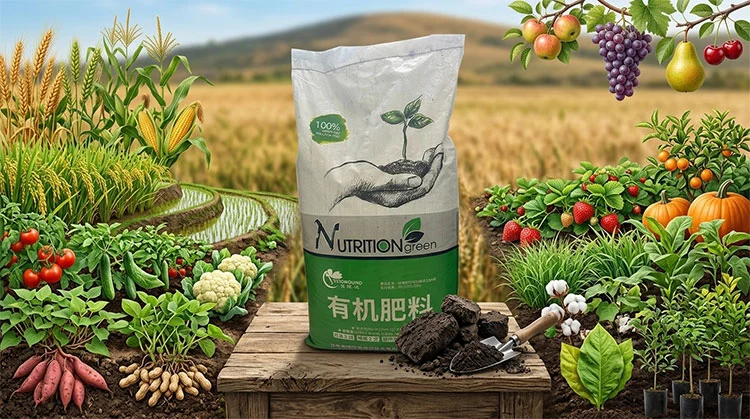
Bulk Organic Fertilizer appropriate to wheat, corn, sorghum, rice, rapeseed, sunflower, and legumes. Helps to achieve balanced growth and better field performance in large-acreage cultivation of staple crops.
2. Fruit Trees
Suitable for apple, grape, pear, pomegranate, cherry, apricot, peach, jujube, persimmon, kiwi, and walnut. Assists in proper canopy establishment and a productive orchard.
3. Vegetable Crops
Great choice for cucumber, eggplant, tomato, celery, asparagus, zucchini, cauliflower, chilli, cabbage, chives, beans, spinach, and rapeseed vegetables. Promotes strong growth and even crop emergence.
4. Melons and Berries
Can be used for melon, watermelon, strawberry, or pumpkin. Promotes vigor and regular fruit growth.
5. Root and Tuber Crops
Applied in the cultivation of sweet potato, potato, yam, and peanut. Facilitates root growth and more efficient use of soil nutrients.
6. Other Agricultural and Industrial Crops
Supporting general plant health and performance in the cultivation of ornamental plants, flowers, herbal plants, forage crops, cotton, flue-cured tobacco, and a range of tree species in various agricultural contexts.
Usage Instructions
1. Grain Crops
Use basal fertilizer (50-100 kg/acre) before planting. Top dressing may be done at any stage of crop growth and under field conditions.
2. Fruit Trees and Vegetable Crops
Fine-tune the application according to the tree age. Apply 1–2 kg per tree for the young tree (under 5 years), 3 – 5 kg per tree for the mature fruit-bearing tree, and 4 – 6 kg per tree for the tree with high yields. Top dressing should be used as necessary throughout the growing season.
3. Vegetables and Melons
Apply basal 100- 150 kg per acre and 5- 10 kg of urea in the field. Apply 300-400 kg/acre + 50 kg of ammonium phosphate in case of greenhouse cultivation. Depending on the growth of plants, additional top dressing can be added.
4. Jujube and Pepper Trees
Suggest a basal fertilizer of 300kg/acre and 25kg of urea to meet the nutrient requirement in the growing period.
5. Cotton and Flue-Cured Tobacco
Use 200kg/acre as a basal fertilizer. Cotton is supplemented with 5–10 kg of urea and 25 kg of potassium sulphate for tobacco balanced nutrition.
6. Tubers (Sweet Potato, Potato, Peanut, Yam)
Use a basal dose of 150 kg per acre of the Green Fertilizer along with 5-10 kg of urea to facilitate root development and the growth of the tubers.
7. Flowers, Ornamental Plants, Medicinal Herbs, and Forage Crops
Use 150kg of base fertiliser per acre to maintain soil fertility and plant growth.
8. Other Trees and Seedlings
Use 200 kg per acre as basal fertilizer to aid establishment and continued growth performance.
Corporate Certifications

Quality Assurance Center
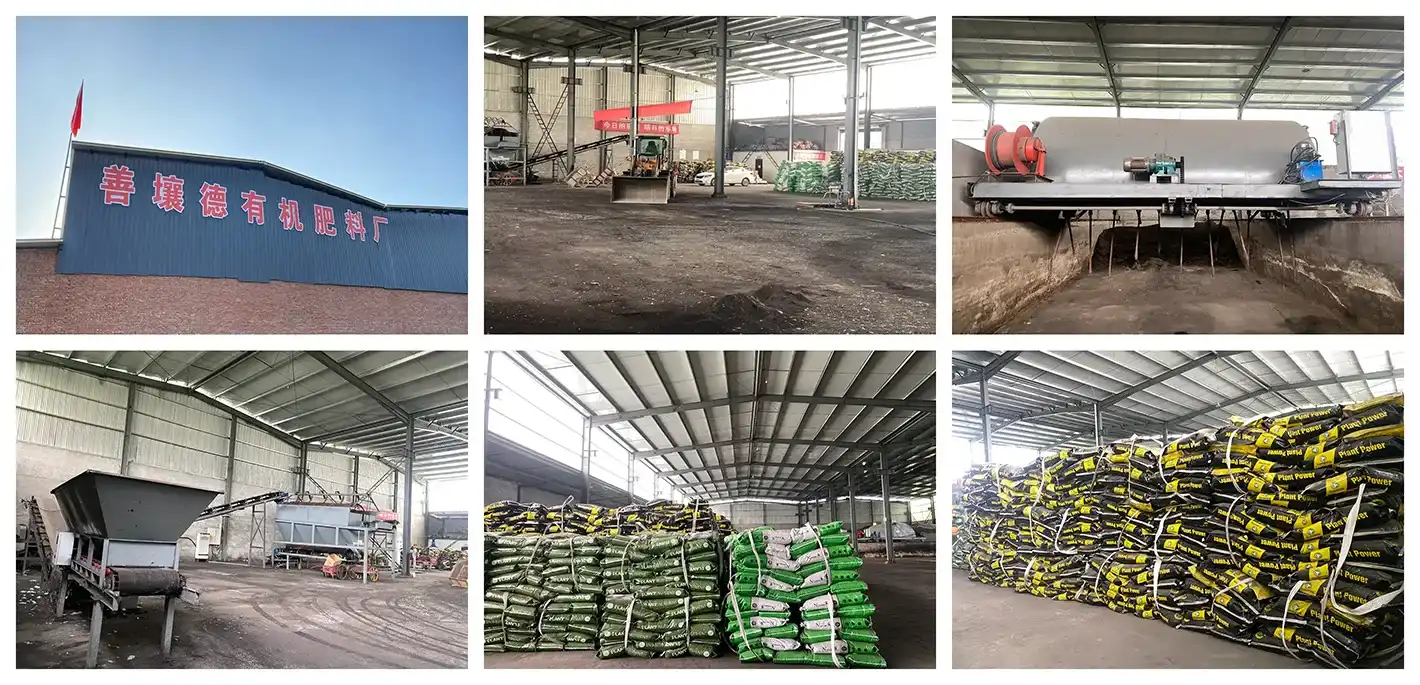
Sciground Manufacturing
Send Inquiry