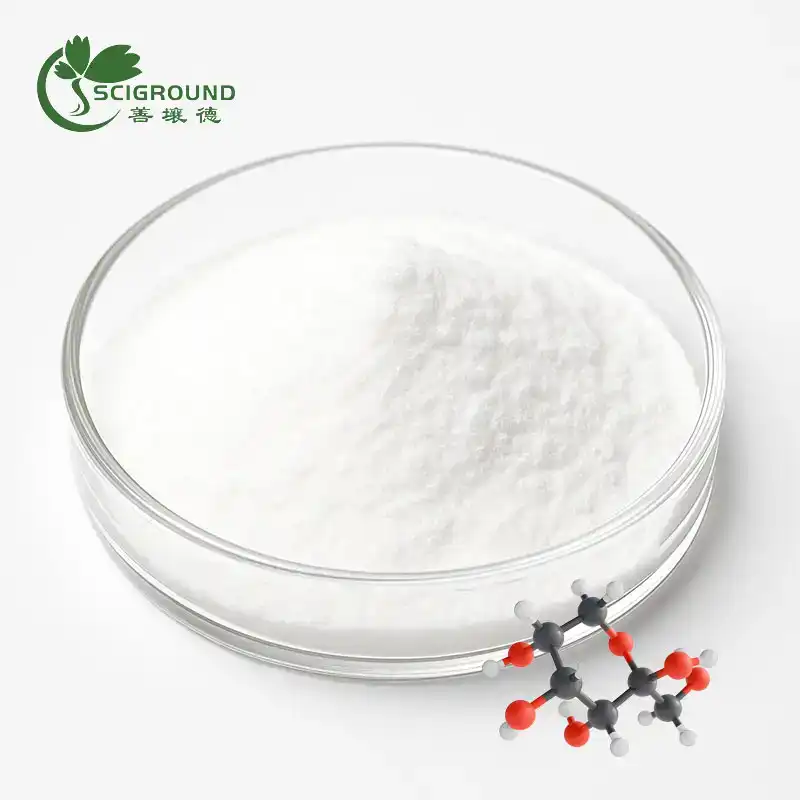
Pure Allulose Powder
Latin Name: D-Psicose (Corn-Derived, Enzymatically Converted)
Specification: ≥98% Purity, 100% Natural, Non-GMO
Appearance: White crystalline powder
Delivery: 1–2 working days
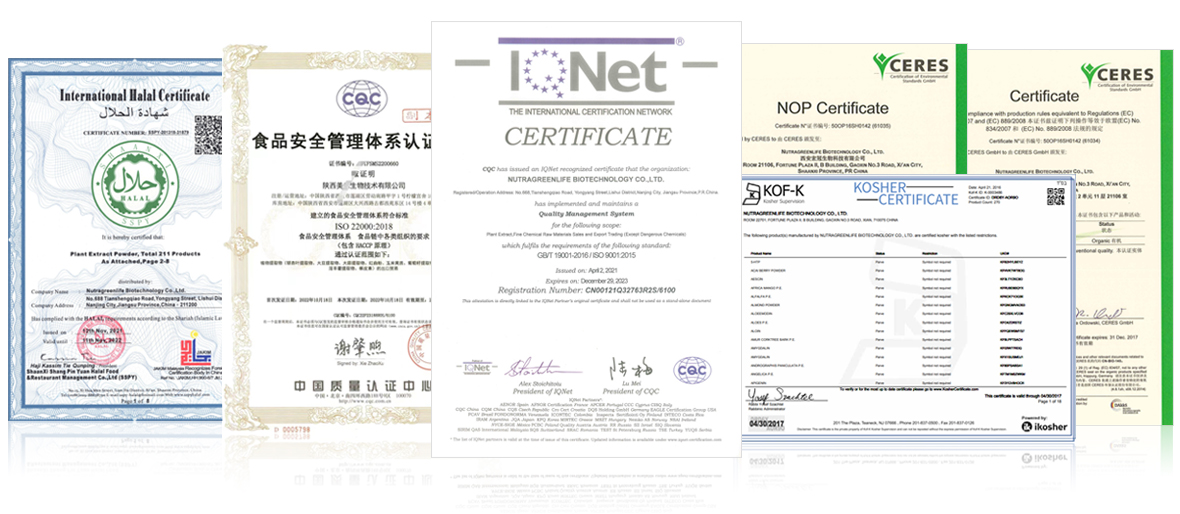
Certification: SC, ISO9001, IS22000, HALAL, KOSHER
Package: 1–10kg (aluminum foil); 25kg (paper drum)
Sample: Free Sample Available
MOQ: 1–5kg Support
15 years of experience in the nutritional supplements industry
Product Description
What is Pure Allulose Powder?
Produced by a sophisticated enzymatic conversion, purification, crystallization, and drying process, Pure Allulose Powder is available as a food-grade, high-purity ingredient with excellent stability and functionality, ideal for commercial food manufacturing. It is naturally found in small quantities in some fruits and is produced under strict production conditions, ensuring a uniform particle size, high purity, and excellent batch-to-batch consistency, making it suitable for mass production in industrial applications. It is a fine, white crystalline powder, which has a clean and sweet sucrose-like taste, dissolves rapidly, and is low in hygroscopicity as well as having excellent processing stability in a wide range of production conditions. It is different from many conventional sweeteners because it provides excellent formulation flexibility, but it does not have strong cooling effects and can help the manufacturer maintain a balance of sweetness, mouthfeel, and optimized sensory properties of the final product. The good thermal characteristics also facilitate coloring and flavour during baking and heat processing and ensure compatibility with different production technologies. The uses are numerous, and its incorporation is encouraged in a variety of applications such as beverage, dairy, bakery, confectionery, frozen dessert, powdered beverage mix, nutritional, tabletop sweetener, sauce, syrup, flavor systems, and innovative food applications where the optimization of sweetness and product quality is paramount.
Analysis
| Item | Specification | Result | Test Method |
| Product Name | Pure Allulose Powder | Pure Allulose Powder | — |
| Appearance | White crystalline powder, free-flowing, no visible foreign matter | Complies | Visual Inspection |
| Odor | Characteristic, neutral odor | Complies | Organoleptic Method |
| Taste | Clean, slightly sweet taste | Complies | Sensory Evaluation |
| Identification | Positive reaction | Complies | HPLC |
| Allulose Content | ≥98.0% | 99.20% | HPLC |
| Moisture | ≤1.0% | 0.35% | Karl Fischer Method |
| pH (10% Solution) | 5.0–7.0 | 6.1 | pH Meter |
| Ash | ≤0.5% | 0.12% | AOAC Method |
| Reducing Sugar | ≤0.5% | 0.08% | Titration Method |
| Heavy Metals | ≤10 ppm | <10 ppm | ICP-MS |
| Lead (Pb) | ≤0.5 ppm | 0.08 ppm | ICP-MS |
| Arsenic (As) | ≤0.5 ppm | 0.05 ppm | ICP-MS |
| Cadmium (Cd) | ≤0.1 ppm | 0.02 ppm | ICP-MS |
| Mercury (Hg) | ≤0.1 ppm | <0.01 ppm | ICP-MS |
| Total Plate Count | ≤1,000 CFU/g | 120 CFU/g | ISO 4833 |
| Yeast & Mold | ≤100 CFU/g | 20 CFU/g | ISO 21527 |
| Coliforms | ≤10 CFU/g | <10 CFU/g | ISO 4832 |
| E. coli | Negative / 10g | Negative | ISO 16649 |
| Salmonella | Negative / 25g | Negative | ISO 6579 |
Market Trends
On the international market, consumers are paying more attention to product labels and are looking for food and beverage formulations that feature naturally derived ingredients, clean label concepts, and lower sugar content without sacrificing taste and product quality. This change has opened the door for manufacturers to look into next-generation ingredients for sweeteners that can fulfil various formulation targets and customers' expectations. Meanwhile, the growing demand for high-quality bakery products, drinks, milk alternatives, confectionery, nutritious foods and plant-based innovation is driving a wider market for versatile sweetener ingredients that are high quality and have good processing capabilities. Enzymatic production techniques and large-scale production have also been developed, which has enhanced the efficiency of production, stability of supply and commercial availability, making Allulose Powder more accessible to food manufacturers and ingredient suppliers around the world. To meet these trends, the use is increasingly being integrated into new product development, product reformulation and customized ingredient solutions to suit regional consumer tastes as well as shifting regulatory landscapes. Research, formulation optimisation and sustainable manufacturing are growing areas of investment that are further improving the industry's long-term prospects, whilst global brands, contract manufacturers and private label manufacturers are looking for ingredient partners who can deliver consistent quality, technical support, flexible specifications and scalable supply.
How to Store Properly?
1. Keep the Original Packaging Sealed
It is packaged in professional sealed, food-grade packaging, which is intended to guarantee the quality of the product during transportation and storage. Do not open the original package until it is to be produced or repackaged.
2. Store in a Cool, Dry Warehouse
Store in a clean, dry, and controlled environment. Limit humidity and temperature variations to help ensure the physical properties of the powder are retained during its shelf life.
3. Protect from Direct Sunlight
Keep containers out of direct light from the sun, skylight, or other intense light. Shade house for interior storage to help maintain product stability and packaging throughout the storage period.
4. Prevent Moisture Exposure After Opening
After each use, close the package right away to keep exposure to ambient moisture to a minimum. If the product is transferred to another container, it should be clean, dry, food-grade, and tightly closed.
5. Keep Away from Strong Odors and Volatile Materials
Keep away from chemicals, detergents, spices, solvents, or other strong-smelling materials: during long-term storage, the fine food powders can absorb the aromatic components in their immediate environment.
6. Follow FIFO Inventory Management
Create a First-In, First-Out (FIFO) inventory system to better ensure that the oldest production inventories are used first, aiding in the efficient rotation of stock and the planning of production.
7. Handle Carefully During Internal Transportation
Do not drop, drag or stack cartons beyond recommended levels when moving them in the warehouse. Good handling promotes package integrity and minimises chances of contamination and loss of Powdered Allulose product.
Product Direction
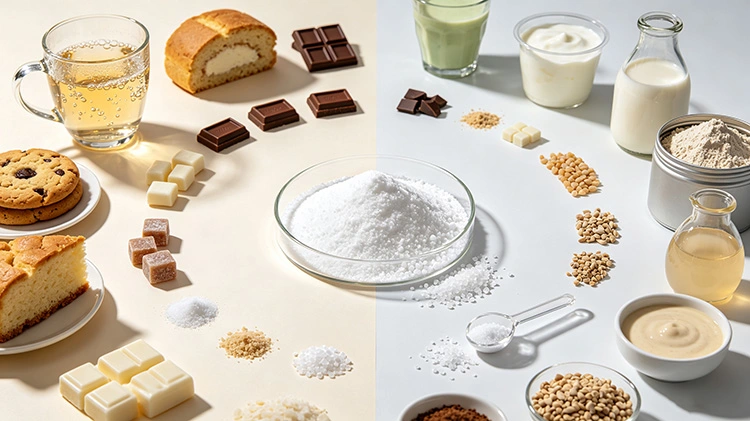
1. Reduced-Sugar Beverage Formulations
Allulose Powdered Sweetener can be added to ready-to-drink products, flavored or sparkling water, tea and coffee products, and concentrated beverage bases to achieve a balanced sweetness and meet today's formulation goals.
2. Premium Bakery Innovations
It works well as a baking ingredient in breads, cakes, muffins, cookies, pastries, and dessert mixes; enhances desirable baking characteristics and flavor development during baking; and is excellent for use with other baking ingredients.
3. Confectionery and Chocolate Products
It can be incorporated into gummies, hard candy, soft candy, chocolate filling, coating, caramel, and specialty candy to create a custom sweetness profile or texture optimizations.
4. Dairy and Plant-Based Alternatives
Commonly used in yogurt, fermented dairy products, ice cream or frozen desserts, oat beverage, almond beverage, or other plant-based beverages to help maintain smoothness and product uniformity.
5. Powdered Nutrition Blends
It can be used in meal replacement powders, protein blends, instant beverage powders, cereal mixes, functional food premix applications, and is compatible with proteins, fibers, and other dry powder ingredients.
6. Syrups, Sauces, and Liquid Bases
For dessert syrup, flavored sauces, fruit preparation and topping systems, beverage concentrates and culinary seasoning solutions, food manufacturers can create their formulations with the sweetness and processing stability that they desire.
7. Clean-Label Sweetening Systems
It can be used to create custom sweetening systems by ingredient companies for various commercial food applications combined with natural flavors, high-intensity sweeteners, dietary fibers, or specialty carbohydrates.
Where To Buy Allulose Powder?
You may contact us directly here info@scigroundbio.com, or you may just write your requirement in the form available on our site. Our source is dependable, our delivery rapid, and our pursuit of business diligent and professional.
Our Certificate
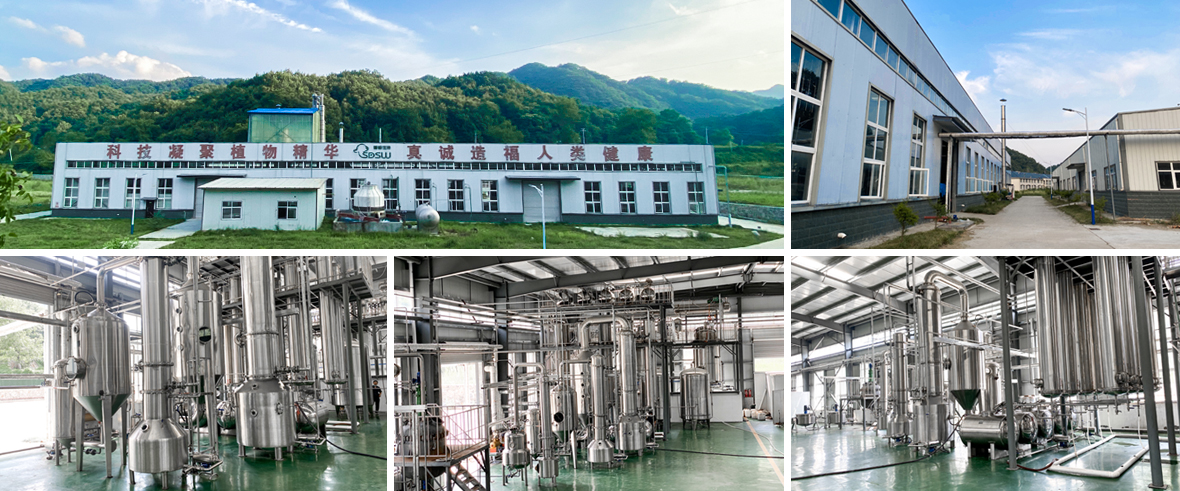
Our Factory
Send Inquiry

.webp "Choline Glycerophosphate")