What is allulose powder used for?
Allulose Powder is a main ingredient in food and beverage formulations as a low-calorie sweetening ingredient in bakery, beverages, confectionery, dairy alternatives, and customized reduced sugar product development.
Allulose powder has become more popular among food manufacturers, food formulators, and food ingredient suppliers because of its particular sweetness characteristics, processing capabilities, and suitability for today's food production systems. Unlike other sweeteners where major formulation changes are needed, pure allulose powder offers food developers a versatile sweetener that can be used to develop products with a balance of sweetness and desirable sensory properties and texture. Allulose powder is a key ingredient for companies looking to create functional and flexible sweetening options – whether for industrial food production or for private label product development.
Allulose Powder in Food and Beverage Manufacturing
Reduced-Sugar Beverage Applications
Allulose powder for beverages is extensively utilized in developing powdered beverage mixes, tea beverages, coffee drinks, functional beverages and flavored waters, and ready-to-drink products.
Smoothing sweetness profile: Allulose can be used to enhance the smoothness of the sweetness profile when used in combination with other sweetness ingredients.
Fruit, Botanical, natural, and Acid-based Beverage systems are all compatible with flavor.
Processing flexibility: It enjoys good solubility to be processed into liquid or powdered beverages.
Allulose powder can be used as a sweetener in the beverage industry, providing a strong flavor and enhancing texture and consumer appeal, while complying with regulatory standards.
Baking and Confectionery Uses of Pure Allulose Powder
Bakery Product Development
It is now being used more frequently in baked goods like cookies, cakes, muffins, pastries, baking mixes, etc., as pure allulose powder.
Browning performance: Allulose undergoes thermal reaction while baking, leading to desirable roasted flavour and colour development.
Texture optimization: May affect final product texture and assist the manufacturer in optimizing the texture of the product.
Customization for formula: Can be used in combination with flour alternatives, fibres, proteins and other ingredients for innovative bakery concepts.
Use in confectionery and dessert preparations. Use in confectionery and desserts.
Additionally, allulose powder is employed in candies, chocolate items, dessert best, frozen desserts, and specialty sweet items.
Sweetness balancing: May be sweetened together with other sweetening agents to obtain desired sensory profile.
Texture support: It can provide texture support to the product in some confectionery systems.
Product innovation: Allulose powder can be utilized in the production of a new generation of confectionery products, in line with the new trends in the market.

Dairy, Plant-Based, and Nutrition Product Applications
Dairy and Alternative Dairy Formulations
Allulose powder is used in dairy products such as yogurt products, frozen desserts, ice cream formulations, and plant-based alternatives.
Mouthfeel – may help to enhance the mouthfeel of products derived from milk proteins or plant-based ingredients.
Compatibility with ingredients: It is compatible with stabilizers, flavors, proteins, and emulsification systems.
Ecosystem of use: It can be used for a variety of different product categories, ranging from traditional dairy products to new, innovative, plant-based products.
Nutrition Powder and Functional Food Formulations are available for both powder and bulk formulations.
Also, allulose powder is incorporated into nutrition products, such as powdered beverage blends, protein products, meal replacement formulas, and dry product blends.
Dry blending capability: Can be powdered for easy incorporation with proteins, fibres, minerals, and flavors.
Formation efficiency: It helps manufacturers to create a customized powder system with evenly distributed sweetness.
OEM adaptability: It can be used in projects of contract manufacturing with flexible ingredient operation.
Formulation Considerations When Using Allulose Powder
Sweetness Level and Dosage Adjustment
The amount of allulose powder used varies depending on the desired sweetness, the type of product, and its use together with other components.
Application-specific adjustment – Beverage, bakery and confectionery products – different formulation approaches.
Combination of other sweetening agents: To achieve the desired taste in the final product, sometimes allulose is used in combination with other sweetening agents.
Pilot testing: Commercial producers usually do sensory evaluation and stability testing before full-scale production.
Stability and Processing Factors.
The processing conditions and storage conditions should be taken into account when developing products using pure allulose powder.
Temperature aspects: The heat process conditions need to be considered in relation to the end-use application.
Moisture management: Moisture protection is important in maintaining powder quality and preventing unwanted physical changes through proper packaging and storage.
Ingredient interaction: To ensure consistency in the formulation, the compatibility of the ingredients with proteins, fibres, acids, flavours and additives is tested.
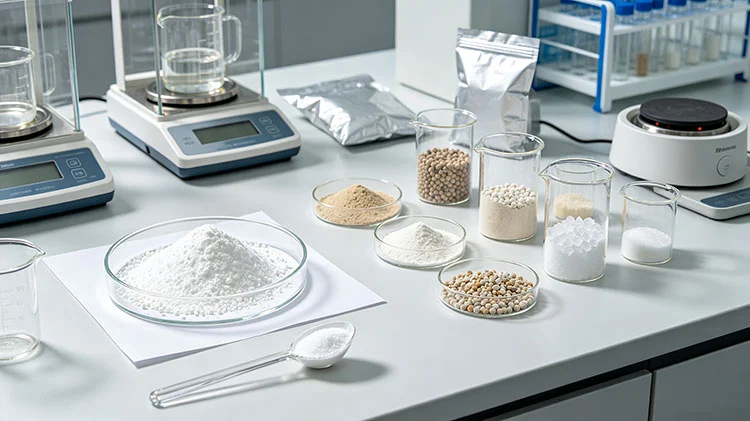
Industrial Market Applications of Allulose Powder
Innovative Product Development Opportunities
Allulose powder ingredients are not only used for their traditional applications but also are being investigated in new food categories.
Customised sweetening systems: Ingredient suppliers can tailor allulose with natural ingredients, like flavours, fibres or other sweeteners.
Private-label products: Allulose powder can be used for unique food and beverage ideas by brands.
International food innovation: Global manufacturers are using allulose in innovative new food products to suit the market taste preferences and trends in different regions around the world.
What is allulose powder used for?
To conclude, allulose powder is a multi-purpose sweetener employed in various food and beverage items, bakery items, confectionery, various milk alternatives, nutrition powder, as well as customised food formulations. Pure allulose powder is also well-suited for use in processed foods, as it is not only easily processed but can also be used in various food technologies. Allulose powder can be used commercially with appropriate dosage, ingredient combinations and processing controls to develop commercially competitive food solutions.
You may contact us directly here: info@scigroundbio.com, or you may just write your requirement in the form available on our site. Our source is dependable, our delivery rapid, and our pursuit of business diligent and professional.
FAQ
1. What is allulose powder used for in food manufacturing?
Allulose powder is capable of being used as a sweetening agent in beverages, bakery goods, confectionery, dairy substitute, powdered mixture, and commercial food products in which formulation and sweetness optimization is required.
2. Can allulose powder be used in baking products?
Yes, allulose powder can be used in cookies, cakes, pastries, muffins, and baking mixes. It is used in the baking processes to help with sweetness adjustment, browning characteristics, and development of texture by manufacturers.
3. How much allulose powder should manufacturers use in formulations?
The recommended usage level of allulose powder is dependent on product type, sweetness desired, ingredient system, and processing conditions. The best amount is normally found by food formulation testing and sensory testing.
4. Is pure allulose powder suitable for beverage production?
Yes, Pure allulose powder is indeed used in beverage applications due to its solubility, sweetness features, and compatibility with flavors, acids, and other ingredients in beverages.
References
1. Brooks, A. E., & Choi, J. H. (2021). Rare sugars and their applications in food technology: Recent developments and future perspectives. Food Chemistry, 352, 129399.
2. Han, Y., Park, H., & Choi, B. R. (2022). Advances in the production and application of allulose as an alternative sweetening ingredient. Trends in Food Science & Technology, 123, 1–12.
3. U.S. Food and Drug Administration. (2020). Guidance on the labeling and regulatory considerations of allulose as a sweetening ingredient. U.S. Food and Drug Administration.
4. International Food Information Council. (2023). Consumer trends and ingredient innovation in reduced-sugar food and beverage development. Food Ingredient Market Report.
You may like