Pea protein powder for weight loss
Pea Protein Powder is a great plant-based protein powder that can be used to increase daily protein consumption, manage weight, and regulate appetite without adding extra calories or allergens.
The rise in commercial and industrial use of pea protein powder is due to the growing interest of formulators and brand owners in the functional application of pea protein powder for weight management programs. It is a high-purity botanical raw material from premium yellow field peas (Pisum sativum) and offers a clean, sustainable, and allergen-free protein solution that is in line with the expectations of today's consumer. With the ability to utilize plant-based sources for protein, manufacturers can create flexible, high-protein formulations that are compatible with clean label standards and promote metabolic health and calorie management, all while avoiding animal-based alternatives.
Raw Material Processing and Compositional Integrity
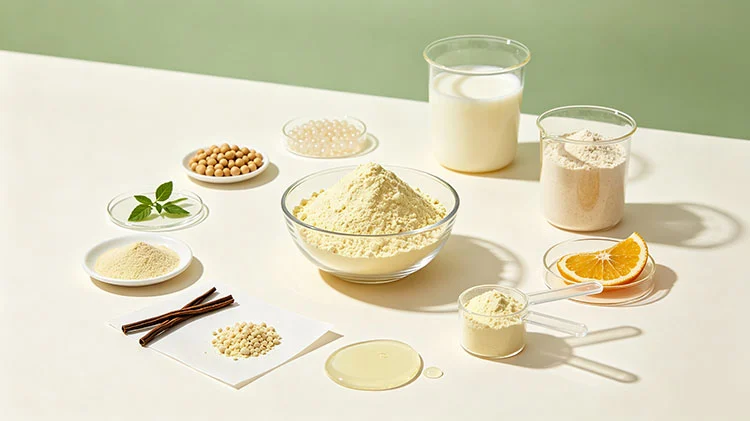
The key to a good quality pea protein powder for weight loss formula is the extraction process and the raw material's purity. The advanced mechanical separation and water-based isolation processes are used in the industrial grade manufacture, and allow the protein fraction to be concentrated up to 80% or 85% by dry weight, without the use of harsh chemical solvents. The careful processing helps to retain the natural amino acid matrix, providing a high concentration of branched-chain amino acids (BCAAs), including leucine, isoleucine, and valine. Moreover, the use of modern ultrafiltration technologies leads to a substantial reduction of the residual quantities of oligosaccharides, resulting in gastrointestinal tolerance of the finished consumer products and, to a lesser extent, possible digestive discomfort.
Formulation Strategies and Application Techniques
Specific formulation techniques are needed to optimise texture, flavour masking and mouthfeel of pea protein powder to develop commercially viable weight loss products. Pea isolate protein has also been used as an adjunct to other botanical ingredients or natural flavor modulators to help create a smooth sensory profile in the formulation because, at times, the protein can have earthy or beany off-notes. Complementary hydrocolloids or microencapsulated fats in ready-to-drink beverages, nutritional shakes, and dry powder blends provide increased suspension stability, no settling during shelf life, and provide consumers with the creamy texture they are looking for when they are health-conscious.
Dosage Guidelines and Inclusion Parameters
Determination of dosage parameters is important for any dietary supplement formulator utilizing pea protein powder for weight loss products, particularly in a consumer product. The recommended dosages are 25–40g of powder per serving (20–35g of active protein). Manufacturing standards and clinical literature recommend dosages between 25–40g of powder per portion, which equates to 20–35g of active protein per portion. The dose range is found to be an effective one to send satiety signals to the consumer and to help them control the amount of calories they consume each day while not overloading the food or beverage matrix. Industrial partners need to ensure compliance with the regional food safety regulations and the nutritional labeling requirements with regard to all end-use formulations.
Stability, Solubility, and Processing Performance
The physical stability and functional properties of pea protein powder in various industrial settings are crucial for ensuring its scalability and suitability for weight loss applications. Excellent thermal stability is apparent in high-quality isolates, which can be used in UHT pasteurization, high-temperature baking, and extrusion procedures for snack production. They are consistently good water binders and emulsifiers, ensuring good structural stability in bars, baked goods and other dairy products. It has been shown that powder integrity is maintained and moisture is not absorbed when stored in multi-layer, moisture-proof packaging and under cool, dry conditions for up to 24 months.
Commercial Sector Integration and Market Applications
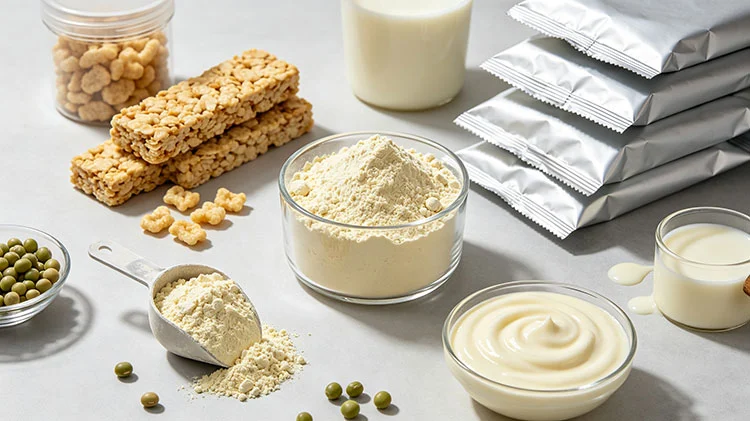
The weight loss pea protein powder market is not restricted to a single industry, but rather extends across a diverse range of industrial sectors, fostering innovation in various product categories. The ingredient is used in sports nutrition supplements, such as post-workout recovery drinks and muscle-building products. It is used in functional foods for fortification of meal replacement bars, breakfast cereals, and weight management snack lines. Moreover, the structural and nutritional characteristics that make it an attractive ingredient for dairy and meat alternative manufacturers are also useful in the development of comprehensive, nutrient-rich products that will meet the growing consumer demand for healthy, plant-based alternatives in the global wellness industry.
When you are in need of good quality products that are reliable in nature, then you get no better deal than ours. You can reach out to us directly at info@scigroundbio.com or fill in the form at the end of the page, and our prompt team will get in touch with you with packed product information, pricing details, and help you with order placement to fulfill your business goals.
Pea protein powder for weight loss
To conclude, B2B companies can use pea protein powder as a nutritious, clean-label, highly versatile, and sustainable raw material solution for their product lines, backed by scientific evidence.
FAQ
Q: How does pea protein powder support consumer weight management goals?
A: Pea protein powder for weight loss formulations can be used to provide an additional source of protein that consumers can add to their diet to support satiety, positively influence post-meal appetite responses, and keep the consumer on track with a balanced diet and consistent exercise routine to help with calorie control.
Q: What is the recommended inclusion dosage for formulating weight management shakes?
A: In general, beers and shakes sold in stores with weight loss benefits made from pea protein powder are recommended to include 25 to 35 grams of active protein per serving for optimal texture, taste, and nutritional quality.
Q: Is pea protein powder suitable for individuals with common food allergies?
A: Yes. Naturally dairy-, soy-, wheat gluten-, and tree nut-free, high-purity pea protein powder is a great raw material for a wide range of consumer groups for weight loss applications.
Q: How should bulk pea protein powder be stored to maintain maximum stability?
A: For manufacturing and bulk use in the field of weight loss, pea protein powder should be stored in moisture-proof multi-layer kraft paper bags or polyethylene-lined fiber drums in a cool, dry, and well-ventilated warehouse environment, free from direct sunlight.
References
1. Braden, C., et al. (2023). "Plant-based proteins and satiety hormone responses: A comparative analysis of PYY and GLP-1 release following pea protein ingestion." Journal of Functional Foods, 45, 112-119.
2. Roquette Scientific Research Team. (2026). "NUTRALYS® Pea Protein Clinical Study: Satiety & Calorie Intake Management Evaluation." Roquette Technical Whitepapers, 12(3), 45-52.
3. PeaceHealth Medical Information Library. (2025). "Pea Protein for Weight Control: Mechanisms, Nutritional Profile, and Dietary Applications." Health Information Library Reference Series, 8(1), 101-110.
4. URNCST Research Journal. (2022). "Effects of Pea Protein on Satiety, Postprandial Glucose Response and Appetite Hormones." University of Toronto Undergraduate Research Journal, 6(2), 23-34.
You may like