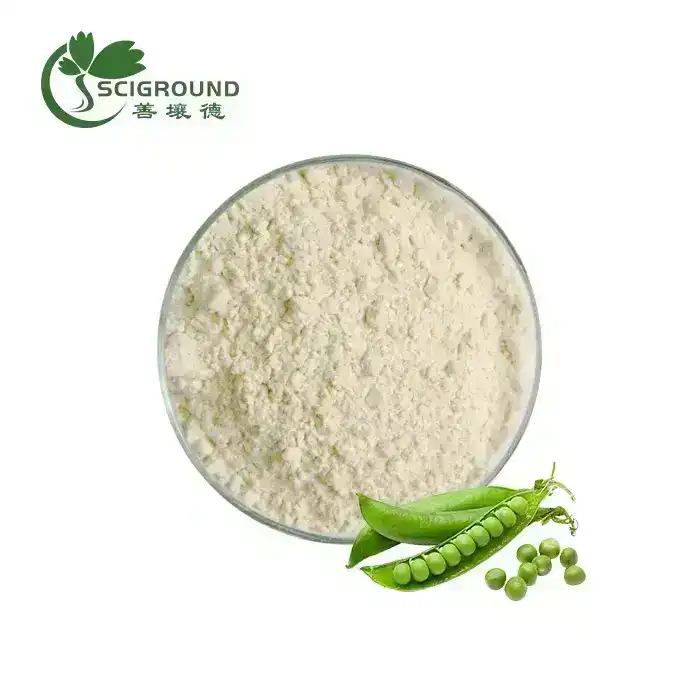
Plant-based Pea Protein Powder
Latin name: Pisum sativum L.
Part: Seed
Specification: 80%,85%,etc,
Appearance: Fine, light yellow powder
Delivery: 1-2 working days
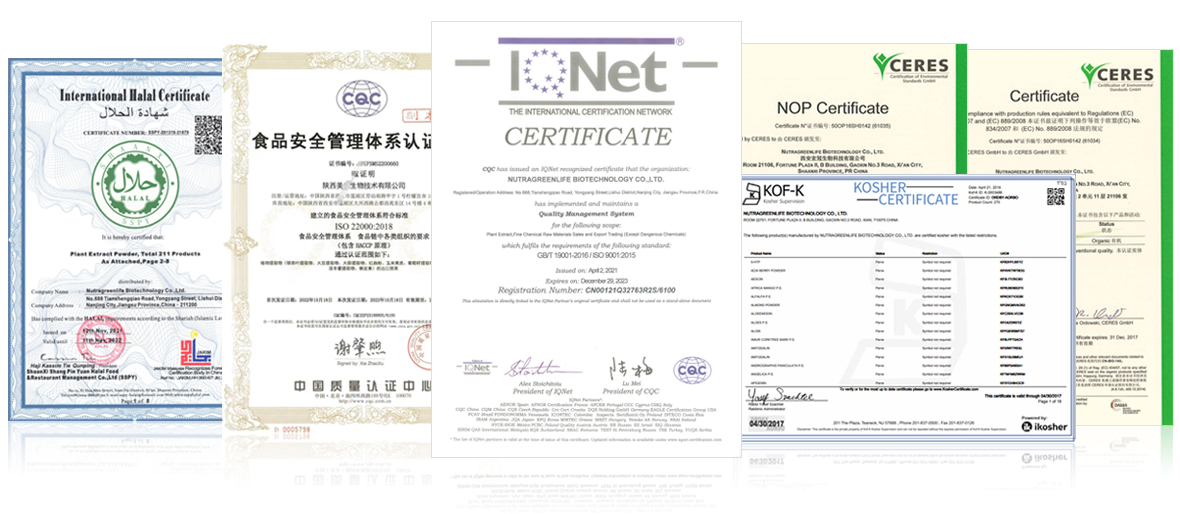
Certification: SC, ISO9001, IS22000, HALAL, KOSHER
Package: 1-10kg (aluminum foil); 25kg ( paper drum)
Sample: Free Sample Available
MOQ: 1-5kg Support
15 years’ experience in the natural plant extracts industry
Product Description
What is Plant-based Pea Protein Powder?
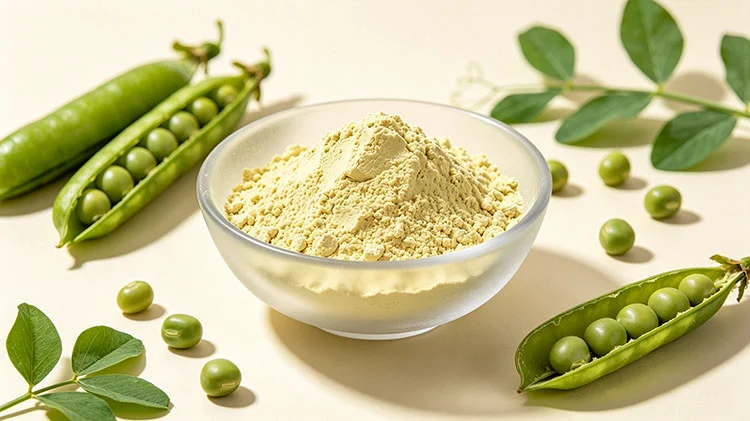
Plant-based Pea Protein Powder is a high-quality, allergen-free, sustainable protein that has been designed to be used in commercial food, beverage, and nutrition formulations. This is a premium, botanical protein that is extracted from yellow field peas using cutting-edge technology in both mechanical and water-based processes to provide a clean, neutral flavor profile and exceptional functional properties. It can be easily incorporated into a variety of production lines for a range of sports nutrition brands, functional food producers, plant-based dairy and meat alternatives, as well as nutraceutical manufacturers. Its high amino acid content, with a high level of branched-chain amino acids (BCAAs) and lysine, makes it a perfect amino acid supplement for clean label, vegan and vegetarian product lines. In addition to its high nutritional value, it also possesses excellent technical properties such as solubility, emulsification, gelation, and water binding, which make it a perfect ingredient for ensuring optimal texture, mouthfeel, and structural integrity in the formulation of final consumer products. With this high-quality vegetable protein in your supply chain, industrial partners can increase marketability, enjoy batch-to-batch consistency, and create innovative formulations that are all the more in demand by the booming health and wellness market, all while maintaining the same taste, quality, and yield.
Analysis
Item | Specification | Result | Test Method |
Product Name | Plant-based Pea Protein Powder | Plant-based Pea Protein Powder | — |
Botanical Source | Pisum sativum L. | Complies | Identification |
Appearance | Fine, free-flowing powder | Complies | Visual Inspection |
Color | Cream to light yellow | Complies | Visual Inspection |
Odor | Characteristic, free from off-odor | Complies | Organoleptic |
Taste | Characteristic, mild pea flavor | Complies | Organoleptic |
Protein Content | ≥ 80.0% | 82.60% | Kjeldahl |
Moisture | ≤ 8.0% | 5.40% | AOAC |
Ash | ≤ 7.0% | 5.80% | AOAC |
Fat | ≤ 8.0% | 3.20% | AOAC |
Crude Fiber | ≤ 6.0% | 2.90% | AOAC |
Carbohydrate | ≤ 10.0% | 6.70% | Calculation |
pH Value | 6.0–8.0 | 6.8 | pH Meter |
Bulk Density | 0.35–0.65 g/mL | 0.48 g/mL | USP |
Particle Size | ≥ 95% through 80 mesh | 98.20% | Sieve Analysis |
Solubility | ≥ 90% | 93.50% | Internal Method |
Total Plate Count | ≤ 10,000 CFU/g | 420 CFU/g | ISO 4833 |
Yeast & Mold | ≤ 100 CFU/g | 18 CFU/g | ISO 21527 |
Coliforms | ≤ 100 CFU/g | <10 CFU/g | ISO 4832 |
E. coli | Absent/10 g | Absent | ISO 16649 |
Salmonella | Absent/25 g | Absent | ISO 6579 |
Staphylococcus aureus | Absent/10 g | Absent | ISO 6888 |
Lead (Pb) | ≤ 1.0 mg/kg | 0.08 mg/kg | ICP-MS |
Arsenic (As) | ≤ 0.5 mg/kg | 0.06 mg/kg | ICP-MS |
Cadmium (Cd) | ≤ 0.5 mg/kg | 0.03 mg/kg | ICP-MS |
Mercury (Hg) | ≤ 0.1 mg/kg | <0.01 mg/kg | ICP-MS |
Aflatoxin B1 | ≤ 5 μg/kg | <1 μg/kg | HPLC |
Total Aflatoxins | ≤ 10 μg/kg | <2 μg/kg | HPLC |
GMO Status | Non-GMO | Complies | PCR / Declaration |
Irradiation Status | Not Irradiated | Complies | Declaration |
Allergen Status | Free from major allergens except pea | Complies | Declaration |
Recommended Dosage
About Pea Protein Powder in commercial products, industrial formulators usually use a dynamic amount based on matrices and functional properties, and ensure that all final formulations meet the requirements and labeling regulations of the region. For general beverage products, including ready-to-drink shakes and nutritional smoothies, typical levels of addition are from 10 to 25 grams of protein per serving to create a protein density that is optimal for the product or application, while not changing the viscosity of the beverage. The levels of inclusion are often between 15-40 grams of dry powder per serving when used in dry powder combination formulations such as sports nutrition blends, meal replacement products, and baking pre-mixes and are determined by the desired macronutrient profile and sensory targets. The usage rate of plant-based meat analogs, bakery goods, and extruded snacks is optimized between 5-20% by total weight based on its structural binding, water-absorption, and emulsification properties. However, due to the production conditions, local compliance requirements, and product categories, an optimum concentration is different for each site, and the manufacturer needs to carry out pilot-scale testing and ensure that every end-use application conforms to the relevant regulatory requirements in its target markets.
Application
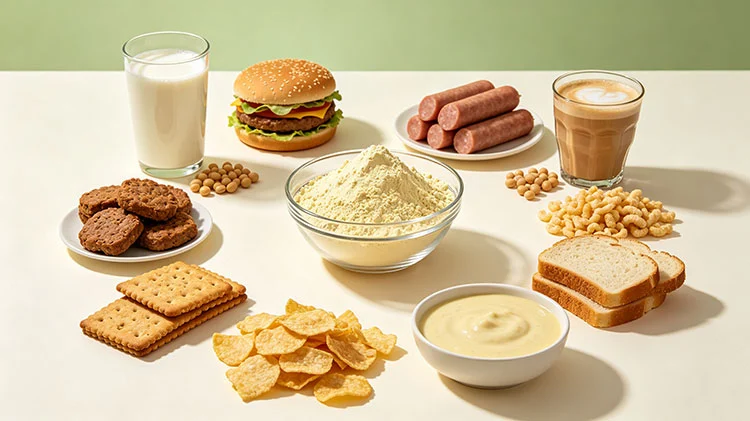
1. Sports Nutrition and Dietary Supplements
This ingredient is used by formulators for its excellent amino acid profile in high-protein powders, meal replacement shakes, and recovery beverage mixes. It also offers assurance for the extension of lines in the clean-label, muscle maintenance, and daily supplementation categories for active lifestyle consumers, without the need for animal protein inputs.
2. Plant-Based Meat Alternatives
A plant protein used as a matrix/structural protein in extruded meat substitutes such as vegan burgers, sausages, strips, and nuggets. It has properties that naturally bind water, gel, and texture, which are similar to those of natural animal meats and provide a more authentic taste of meat in large-scale industrial processing.
3. Dairy Alternatives and Functional Beverages
The powder is used by manufacturers in plant-based milks, liquid yogurts, coffee creamers, or ready-to-drink plant nutrition beverages. It effectively improves protein density, mouthfeel, and emulsion stability, and is smooth, uniform consistency in different beverage matrices.
4. Bakery and Confectionery Goods
The ingredient is added to protein-enriched cookies, breads, muffins, and snack bars to enhance the nutrition of foods. It can assist in optimizing the structure of the dough, moisture-holding capacity, and holding the structure during high-temperature baking and commercial shelf-life storage.
5. Extruded Snacks and Cereals
This multipurpose protein has been used in industrial snack foods such as puffed breakfast cereal, crisp and savory extruded foods. It has good expansion properties, and its ability to bind dough makes it possible for manufacturers to create the desired crunch, texture, and clean ingredient deck labeling.
6. Culinary Sauces, Soups, and Dressings
The functional emulsifying and thickening attributes of Pea Plant Protein Powder are used in plant-based gravies, creamy soups, and stable dressings. It helps to increase viscosity, to prevent the separation of oil, and to provide a fatty and full sensory texture in rich and complex food emulsions.
Safety
Extensively tested under a safety assurance process and a comprehensive toxicological testing framework, Pure Pea Protein Powder has been proven to be absolutely reliable for large-scale commercial production of food, beverages, and nutrition products. The high purity of this product is guaranteed by the many toxicological studies, safety, heavy metal, and microbiological tests performed, and by the various standards set by the international food safety community for dietary ingredients. They are industrial operations that are active under current Good Manufacturing Practice (cGMP) standards and certified under international quality management systems like ISO, HACCP, and FSSC22000, with complete supply chain traceability, high sanitation standards, and constant batch-to-batch consistency from harvested yellow field pea to delivery. Moreover, the ingredient is naturally free from the most common dietary allergens (soy, dairy, wheat gluten, and tree nuts), and as such offers an extremely low allergen risk, making it an exceptionally safe, inclusive, and clean-label formulation selection to reduce cross-contamination issues in a variety of multi-product manufacturing facilities.
FAQ
Q: How does this bulk pea protein powder perform in liquid formulations?
A: It is especially designed to be soluble and to withstand emulsions, and provides an ideal particle size profile to prevent sedimentation and ensure a smooth, uniform texture in RTD beverages and plant-based milks.
Q: What is the standard amino acid profile of this botanical ingredient?
A: It's standardized to a high protein amount on a dry basis and contains a complete macronutrient profile with a natural, good amount of branched-chain amino acids (BCAAs) and lysine.
Q: How do you mitigate the typical "beany" off-notes of legume proteins?
A: By using high-power physical separation and gentle extraction methods, we minimize volatile flavour compounds, resulting in an extremely neutral flavour profile that has minimal need for flavour masking.
Q: Is this raw material suitable for clean-label and allergen-free production?
A: Yes. It is 100% soy-, dairy-, gluten-, and nut-free, and is derived from yellow field peas. Non-GMO verified and manufactured in cGMP- and ISO certified facilities to meet clean-label consumers.
Q: What are the packaging specifications and shelf life for wholesale procurement?
A: It is packed in 20kg or 25kg multi-layer bags of kraft paper with inner liners of food-grade polyethylene, which have a guaranteed 24-month shelf life when stored in cool and dry conditions.
Where to Buy Pea Protein Powder?
When you are in need of good quality products that are reliable in nature, then you get no better deal than ours. You can reach out to us directly at info@scigroundbio.com or fill in the form at the end of the page, and our prompt team will get in touch with you with packed product information, pricing details, and help you with order placement to fulfill your business goals.
Our Certificate
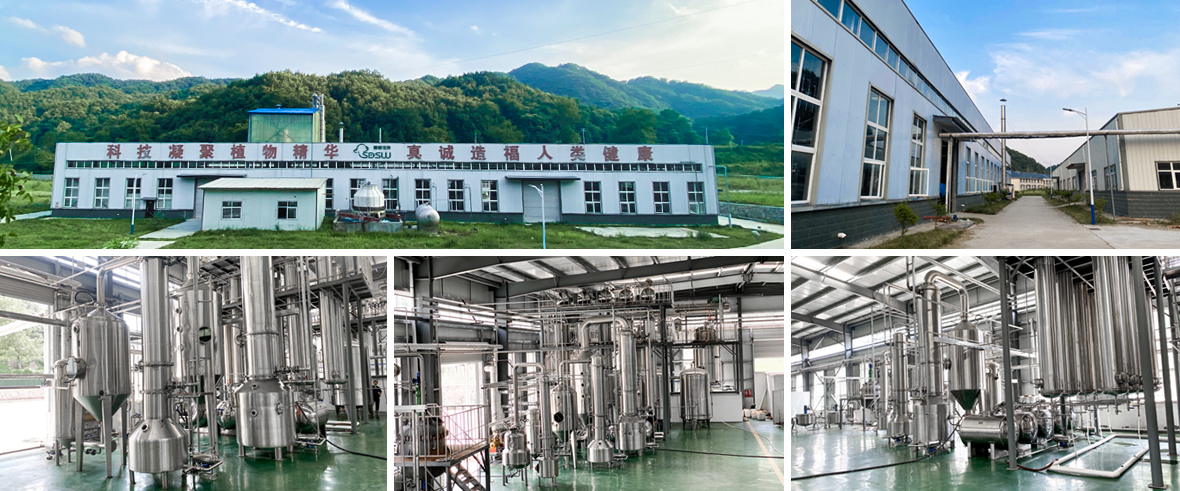
Our Factory
Hot Tags: wholesale pea protein powder,best pea based protein powder,pea protein powder supplier,wholesale protein powder suppliers,bulk protein powder wholesale,pea protein isolate bulk,China, manufacturers, GMP factory, suppliers,quote,pure,factory, wholesale, best, price, buy, for sale, bulk, 100% pure,manufacturer,supplier,distributor,free sample,raw material.
Send Inquiry
You may like