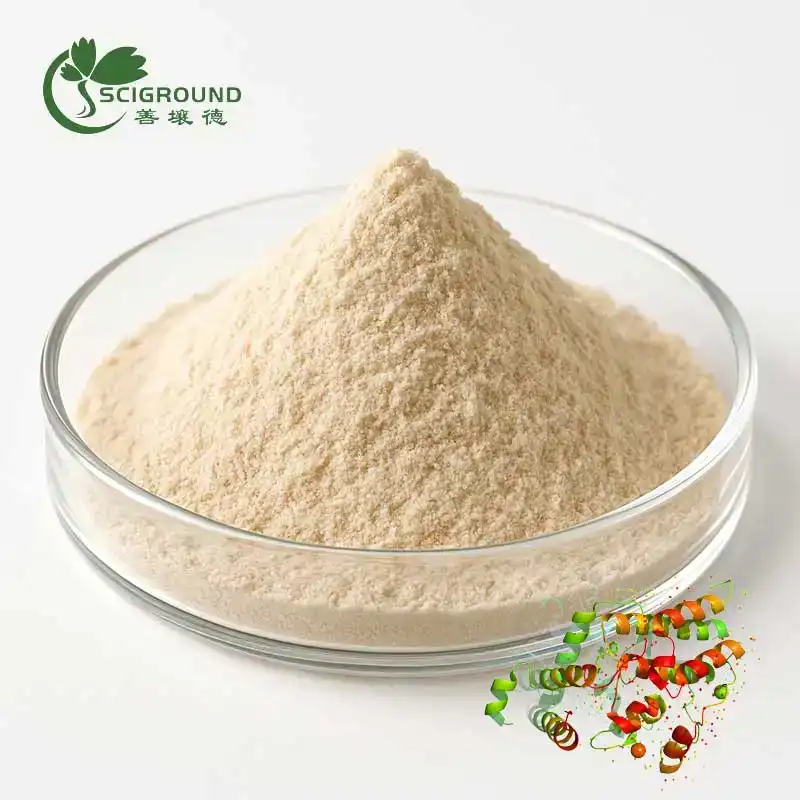
Hydrolyzed Keratin Protein Powder
Latin Name: Derived from keratin-containing protein (non-GMO)
Specification: ≥85% Protein (Dry Basis), Water Soluble, 100% Natural
Appearance: Light yellow to beige fine powder
Delivery: 1–2 working days
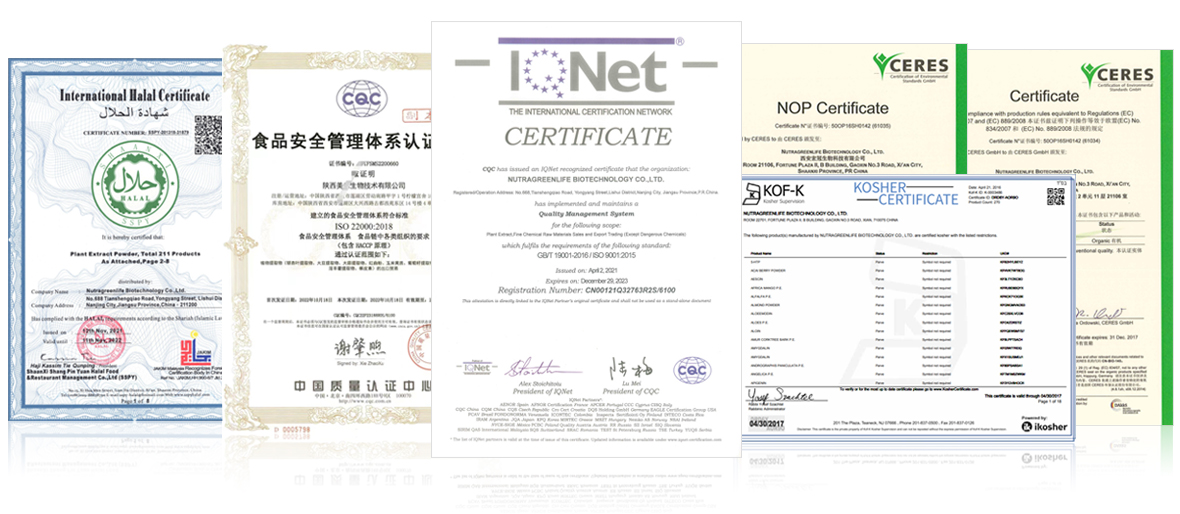
Certification: SC, ISO9001, IS22000, HALAL, KOSHER
Package: 1–10kg (aluminum foil); 25kg (paper drum)
Sample: Free Sample Available
MOQ: 1–5kg Support
15 years of experience in the cosmetic and functional ingredient industry
Product Description
What is Hydrolyzed Keratin Protein Powder?
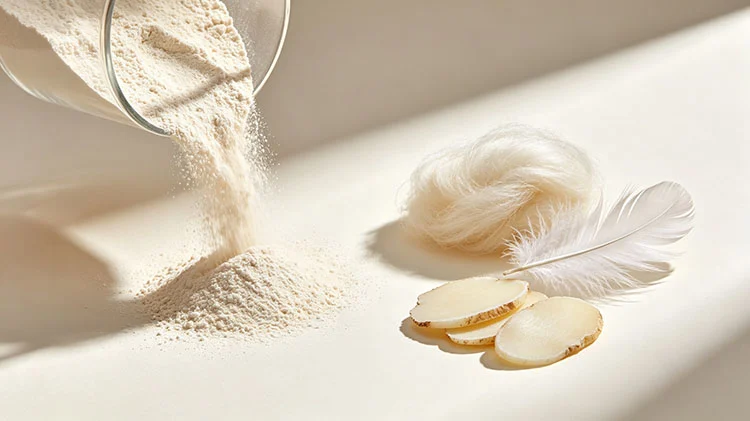
Hydrolyzed Keratin Protein Powder is a highly purified functional protein ingredient that is manufactured by enzymatic hydrolysis of natural keratin from renewable materials like wool, feathers, or other raw materials that contain high levels. This process separates out high molecular-weight keratin into smaller peptides that are more water-soluble, dispersible, and formulation-compatible, yet retain desirable amino acids such as cysteine and sulfur-containing peptides, which impart unique properties to keratin proteins. The powder produced is generally light yellow to off-white in colour, free-flowing, and can be used in a variety of industrial manufacturing processes. Given its high quality and uniform processing stability as well as its formulation versatility, it is utilized by manufacturers across a broad range of industries including personal care, cosmetics, hair care, skin care, nail care, and specialty ingredients. It can be used in shampoos, conditioners, hair masks, hair products, facial masks, lotions, creams, serums, soaps, and other leave-on or rinse-off cosmetics that require a protein for conditioning. Furthermore, it is often used in product development for OEM/ODM products due to its ability to fit well into a wide range of formulation systems and its compatibility with various functional ingredients that can be used in cosmetics, such as botanical extracts, amino acids, collagen, peptides, hyaluronic acid, etc.
Analysis
|
Item |
Specification |
Result |
Test Method |
|
Appearance |
Light yellow to off-white fine powder, free-flowing, no foreign matter |
Complies |
Visual Inspection |
|
Odor |
Characteristic, slight protein odor |
Complies |
Organoleptic Test |
|
Protein Content |
≥80.0% |
82.50% |
Kjeldahl Method |
|
Hydrolyzed Protein Peptides |
≥90.0% |
92.30% |
HPLC Analysis |
|
Molecular Weight |
Customized according to specification |
800–1500 Da |
GPC Method |
|
Solubility |
Soluble in water |
Complies |
Solubility Test |
|
Moisture Content |
≤8.0% |
5.20% |
Loss on Drying |
|
pH Value (1% Solution) |
4.0–7.0 |
5.6 |
pH Meter |
|
Ash Content |
≤5.0% |
2.80% |
Muffle Furnace |
|
Total Heavy Metals |
≤10 ppm |
Complies |
ICP-MS |
|
Lead (Pb) |
≤2.0 ppm |
0.35 ppm |
ICP-MS |
|
Arsenic (As) |
≤1.0 ppm |
0.12 ppm |
ICP-MS |
|
Mercury (Hg) |
≤0.1 ppm |
<0.05 ppm |
ICP-MS |
|
Cadmium (Cd) |
≤1.0 ppm |
0.08 ppm |
ICP-MS |
|
Total Plate Count |
≤1,000 CFU/g |
120 CFU/g |
Microbiological Analysis |
|
Yeast & Mold |
≤100 CFU/g |
<10 CFU/g |
Microbiological Analysis |
|
E. coli |
Negative |
Negative |
Microbiological Analysis |
|
Salmonella |
Negative |
Negative |
Microbiological Analysis |
|
Staphylococcus aureus |
Negative |
Negative |
Microbiological Analysis |
Market Trends
The Hydrolyzed Keratin Powder market is projected to grow steadily due to the increasing demand for natural and functional ingredients in the global cosmetics and personal care market, which demand clear sourcing and quality of ingredients. Consumers are becoming more aware of the label, and there has been a growing interest in ingredients that are recognizable and derived from renewable resources – while brand owners are focusing more and more on developing formulations with transparency of the ingredients, sustainable production, and premium positioning. This trend has spurred manufacturers to invest in better processing technology, quality control standardization, and an assured supply chain in order to rise to the expectations of the world markets. Meanwhile, OEM and ODM demand is growing, with companies looking for flexible ingredient solutions to suit various formulations, specifications and regulatory requirements. Suppliers are differentiating their products from others not just in terms of price but also on the basis of their production capability, technical documentation, batch consistency and formulation assistance. Moreover, the market is witnessing the emergence of premium beauty brands, clean-label and sustainable production methods, which further provide opportunities for hydrolyzed keratin in both new as well as existing markets.
Why Is Hydrolyzed Keratin Protein Powder So Popular?
1. Scientifically Recognized Ingredient
It is a cosmetic protein ingredient of proven origin, production processes, and quality specifications. It has demonstrated an excellent technical profile, which has attracted wide acceptance by formulators and manufacturers throughout the world.
2. Versatile Formulation Performance
It is an excellent co-formulating partner for shampoos, conditioners, masks, creams, serums, and other personal care formulations, which enables manufacturers to use a single functional ingredient in various formulations, enhancing formulation flexibility and production efficiency.
3. Supports Clean Label Positioning
The demand for protein-based raw materials has risen due to a growing desire of consumers for natural and recognisable raw materials. It is also a product that fits in with the clean label trends, as it provides clear sourcing and the appropriateness for use in today's cosmetics formulations.
4. Compatible with Diverse Ingredients
It can be easily combined with botanicals, amino acids, peptides, hyaluronic acid, or other cosmetic active ingredients, which allows the R&D team to develop innovative and differentiated formulations.
5. Enhances Premium Product Development
Innovation in cosmetic ingredients for high-end products is growing rapidly, as the use of protein ingredients has become crucial for developing premium product concepts for brands and providing a measure of differentiation in competitive global markets.
6. Ideal for OEM & ODM Projects
Hydrolyzed Keratin is a versatile option that can be customized to specific needs, offers consistent batch-to-batch quality, and provides comprehensive documentation of technical specifications and usage.
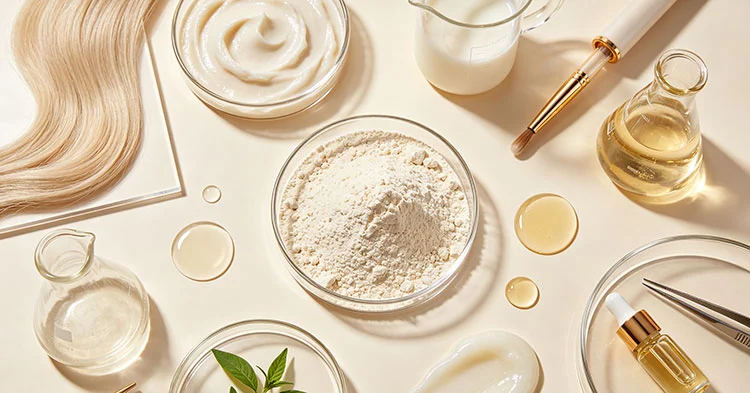
Product Directions
1. Hair Repair Mask & Treatment Products
Keratin Hydrolysate is ideal for manufacturers to produce professional hair masks, intensive conditioners, and leave-in hair products. They are based on protein care concepts and are popular in high-quality cosmetics for hair care.
2. Protein-Based Hair Styling Products
It can be used as an ingredient in hair styling creams, smoothing sprays, and end-of-use products. It is compatible with various cosmetic systems, making it easier for brands to create new styling solutions and formulate new products that offer unique ingredients.
3. Scalp Care Formulations
Customers can create scalp care products like scalp serums, cleansing solutions, and nourishing products. As more and more people are seeking specialized therapies for hair care, there are even more opportunities for protein-based cosmetic ingredients.
4. Multi-Functional Beauty Masks
Cosmetic companies can mix hydrolyzed keratin with botanical extracts, peptides, and moisturizers to create a variety of beauty masks and intensive care cosmetics that have individual market positioning.
5. Professional Salon Care Series
It can be used in the formulation of salon products such as post-treatment conditioners, professional hair care products, and maintenance products for special beauty treatments.
6. Customized OEM/ODM Cosmetic Projects
It is a stable formulation with predictable supply, which can be used in OEM and ODM manufacturing. The formulas, specifications, and product concept can be formulated and customized according to the demand of the region.
Our Certificate

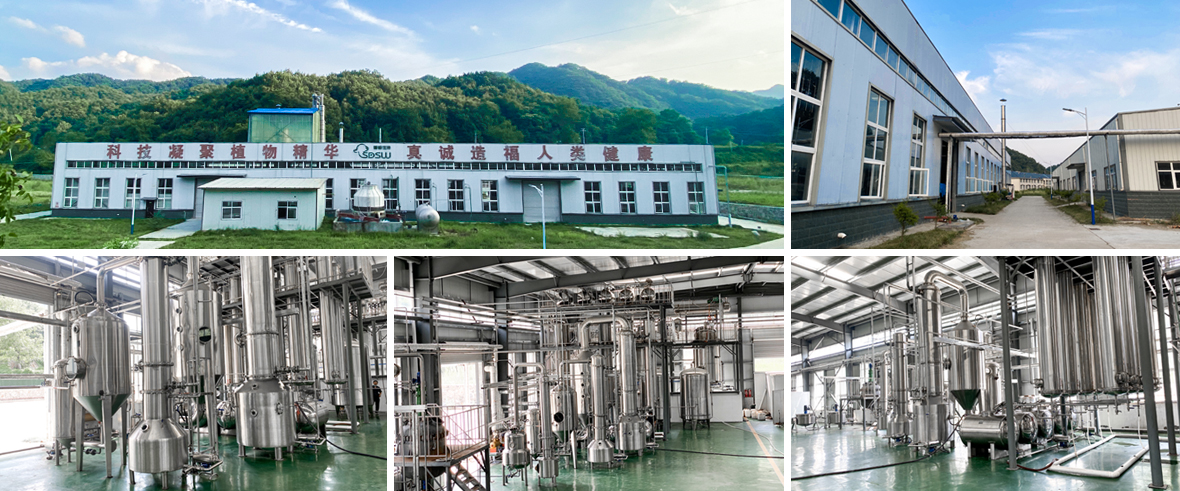
Our Factory
Send Inquiry
You may like