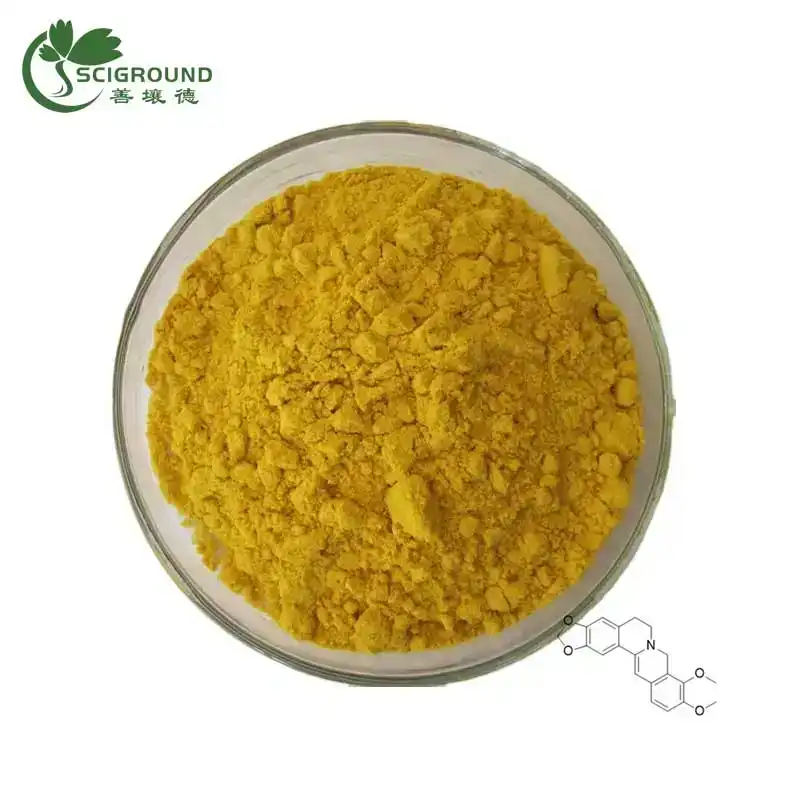
Dihydroberberine Powder Bulk
Other Name: DHB
Specification: 98%
Appearance: Yellow to Light Yellow Fine Powder
Delivery: 1–2 working days
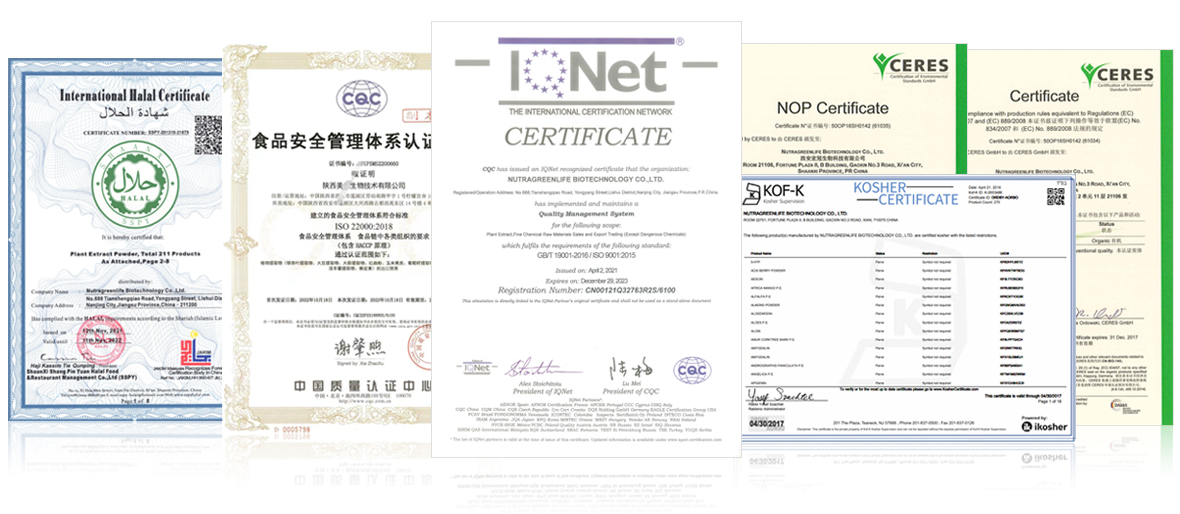
Certification: SC, ISO9001, ISO22000, HALAL, KOSHER
Package: 1–10kg (aluminum foil); 25kg (paper drum)
Sample: Free sample available
MOQ: 1–5kg support
15 years’ experience in the herb extract industry
Product Description
What is Dihydroberberine Powder Bulk?
Dihydroberberine Powder Bulk provides a standardized botanical-based ingredient, supplied in powder format, which can be used for manufacturing, formulation development, and as a commercial ingredient. The main compound in it is dihydroberberine, which is a hydrogenated form of berberine. The process of chemical hydrogenation of berberine is a common method used to produce dihydroberberine, and its specification, purity, and production process should be verified by the supplier's documents. Generally, the purity grade of the commercial powder depends on the manufacturer's formulation and quality control requirements, and is usually standardized to either 95% or 98% purity. The powder is generally yellow to light yellow in color, but may be a different color or be different in physical properties depending on processing conditions and product specifications. It is not to be consumed directly by the consumer but is a bulk ingredient that can be used by companies that manufacture supplements, food ingredients, research institutes, and product developers. It is used mainly for sourcing ingredients, development of new formulations, as a standard botanical ingredient, and as an ingredient for finished products containing a specified amount. It can be added to powder formulations, capsules, tablets, and other compatible delivery systems, depending on the formulation needs, applicable regulatory requirements, and stability requirements.

Analysis
|
Item |
Specification |
Result |
|
Product Name |
Dihydroberberine Powder Bulk |
Complies |
|
Appearance |
Yellow to Light Yellow Fine Powder |
Complies |
|
Odor |
Characteristic |
Complies |
|
Identification |
Positive |
Complies |
|
Assay (Dihydroberberine) |
≥98.0% |
98.42% |
|
Loss on Drying |
≤3.0% |
1.18% |
|
Residue on Ignition |
≤1.0% |
0.32% |
|
Particle Size |
95% Pass 80 Mesh |
Complies |
|
Bulk Density |
0.35–0.65 g/mL |
0.48 g/mL |
|
pH Value |
4.0–7.0 |
5.62 |
|
Total Heavy Metals |
≤10 ppm |
<10 ppm |
|
Lead (Pb) |
≤2.0 ppm |
0.18 ppm |
|
Arsenic (As) |
≤2.0 ppm |
0.09 ppm |
|
Cadmium (Cd) |
≤1.0 ppm |
0.06 ppm |
|
Mercury (Hg) |
≤0.1 ppm |
<0.01 ppm |
|
Residual Solvents |
Meets Applicable Requirements |
Complies |
|
Methanol |
≤3000 ppm |
<50 ppm |
|
Ethanol |
≤5000 ppm |
186 ppm |
|
Acetone |
≤5000 ppm |
<50 ppm |
|
Total Plate Count |
≤1,000 CFU/g |
120 CFU/g |
|
Yeast & Mold |
≤100 CFU/g |
20 CFU/g |
|
Escherichia coli |
Absent/g |
Absent |
|
Salmonella |
Absent/25 g |
Absent |
|
Staphylococcus aureus |
Absent/25 g |
Absent |
Mechanisms
1. AMP-Activated Protein Kinase (AMPK) Signaling:
The effects of berberine and other compounds on the intracellular energy-sensing enzyme (AMPK) have been studied. AMPK is involved in the control of cellular energy balance and the utilization of nutrients. The magnitude and the importance of such effects can vary with concentration, experimental conditions, and tissue.
2. Mitochondrial Energy Metabolism:
The potential and related compounds on mitochondrial function, such as cellular energy production and metabolic regulation, have also been investigated. The results of experiments in a system may not necessarily reflect results in humans or final products.
3. Enzyme Interaction and Biochemical Conversion:
Dihydroberberine is structurally similar to berberine and could be metabolized biochemically or metabolized by metabolic enzymes. The chemical structure, stability, and conversion pathways are important to consider in relation to the behavior of the ingredients and to compare the differences in the behavior of traditional berberine ingredients.
4. Glucose and Lipid Metabolism Research:
Experimental research has been conducted on pathways related to berberine and glucose transport, lipid synthesis, and nutrient metabolism. These investigations can be used to describe biochemical activity but cannot be used to interpret biochemical outcomes of disease or assure physiological effects.
5. Bioavailability and Ingredient Formulation:
The research interest is in the absorption, metabolism, and systemic exposure of a different chemical form of berberine (dihydroberberine). The purity, formulation, dosage form, and manufacturing quality of the ingredient can affect the behavior of the ingredient and should be tested and analyzed accordingly.
Benefits
1. Standardized Ingredient Quality:
It contains a fixed amount of dihydroberberine, which helps ensure product consistency in commercial formulations by allowing for the selection of a single ingredient and avoiding the need for quality control. If the specifications of the supplier require it, a level of purity of 95% or 98% can be provided.
2. Research-Based Biochemical Relevance:
The biochemical pathways and cellular energy metabolism associated with dihydroberberine are examined. This makes it a relevant component for formulation development and evaluation for research.
3. Distinct Chemical Structure:
It is a form of berberine that has been hydrogenated, giving it a unique molecular structure to compare ingredients in research. The physicochemical properties are important for the assessment of the ingredients' behavior and compatibility of formulation.
4. Formulation Development Flexibility:
The efficacy of Dihydroberberine Powder can be determined to fit powder blends, capsules, tablets, and other suitable formulation formats based on particle size, purity, stability, and manufacturing needs.
5. Commercial Ingredient Applications:
The ingredient can be used in sourcing, analytical research, standardized botanical ingredient development, and professional product formulation. The use shall be regulated by any relevant regulations, by validated specifications, and by the intended finished product category.

Target Applications
1. Dietary Supplement Manufacturing:
Dihydroberberine Powder is an ingredient in the formulation of dietary supplement products, such as capsules, tablets, and powders, and is used in a standard manner. Manufacturers can choose the specifications based on the formulation requirements and regulations.
2. Capsule and Tablet Formulation:
Designed to be used in ingredient blends for hard-shell capsules, tablets, and solid oral dosage forms. During product development, particle size and flowability, assay purity, and excipient compatibility should be considered.
3. Powder Supplement Blends:
Can be added to powdered ingredient blends and can be formulated into custom-made powdered blends for manufacturers that require a specific level of DHB. Uniformity and moisture control are two quality factors of importance.
4. Functional Beverage and Energy Drink Development:
May be used as a specialty ingredient in energy drinks and functional beverages as long as regulated. Technical assessment for solubility, dispersion, taste characteristics, stability, and compatibility with other beverage ingredients.
5. Nutraceutical Ingredient Manufacturing:
A suitable source and research compound for professional sourcing and formulation with botanically derived ingredients. It is used based on the product category, local regulations, and proven ingredient specifications.
FAQ
1. What is Dihydroberberine Powder?
The dihydroberberine Powder is a dihydroberberine standardized botanical ingredient that is derived from a plant. It is provided for use by professionals in sourcing and formulating ingredients.
2. What purity levels are available?
Commercial specifications may be 95% or 98% dihydroberberine, with documentation from the supplier based on testing. Please check the assay before purchase.
3. Can I order Dihydroberberine Powder in bulk?
Yes. Bulk supply of the product is available for manufacturers, ingredient distributors, and formulation developers (B2B). Please negotiate MOQ, packaging, and lead time with the supplier.
4. What quality documents are provided?
Assay, identity, heavy metals, residual solvents, and microbiological specifications can be documented on a current Certificate of Analysis (COA), as applicable. There may be other technical documents available, on request.
5. Is Dihydroberberine Powder suitable for capsules and tablets?
The powder can be tested for capsule, tablet, and premix formulations. Particle size, flowability, excipient compatibility, and stability should be determined during development.
6. Can it be used in energy drinks or functional beverages?
There may be applications in energy drinks and functional drinks depending on the solubility, formulation stability, sensory characteristics, and regulations in the target market. It is recommended to do technical testing prior to commercial production.
7. How should bulk Dihydroberberine Powder be stored?
Keep out of the sun, in a cool, dry place in a well-sealed container, away from moisture. Store and observe the shelf-life of products according to the supplier's documented storage conditions and shelf-life requirements.
Where to Buy Dihydroberberine?
To get in touch directly, email info@scigroundbio.com, or you can complete the form found at the bottom of this web page. We are prepared to help you quickly and make sure you get a good price.
Our Certificate
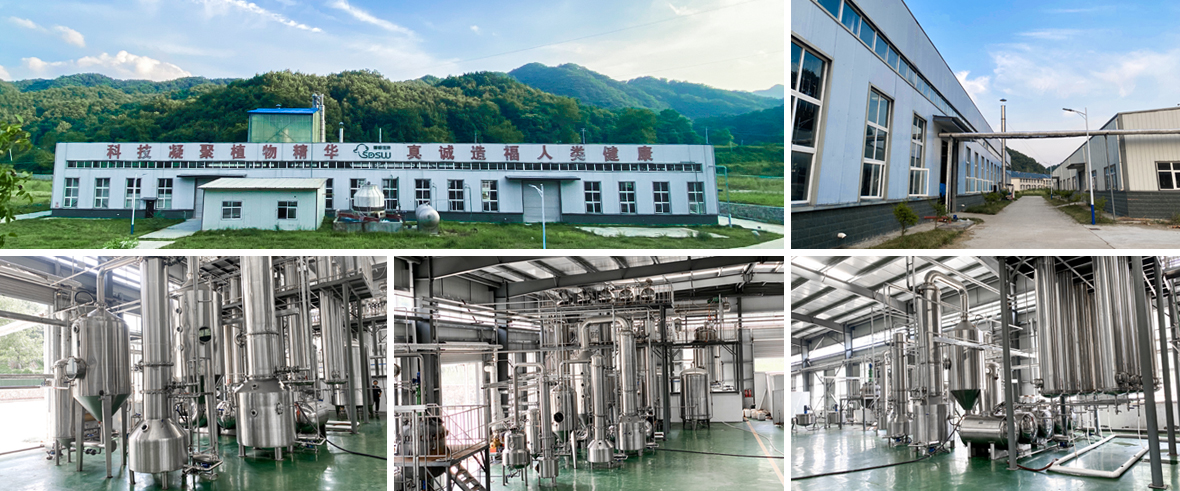
Our Factory
Send Inquiry
You may like