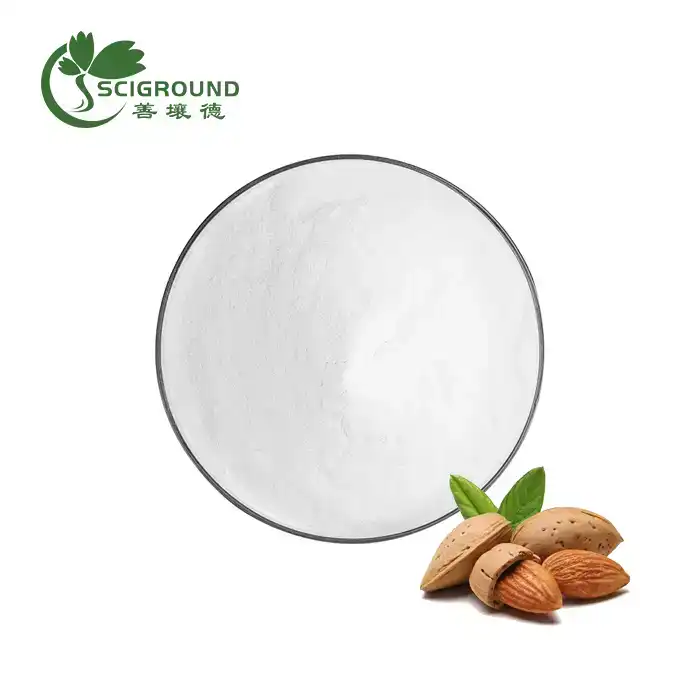
Amygdalin Extract
Plant Latin Name: Prunus armeniaca L.
Specification: 98% Amygdalin
Cas.: 29883-15-6
Appearance: White powder Delivery: 1-2 working days
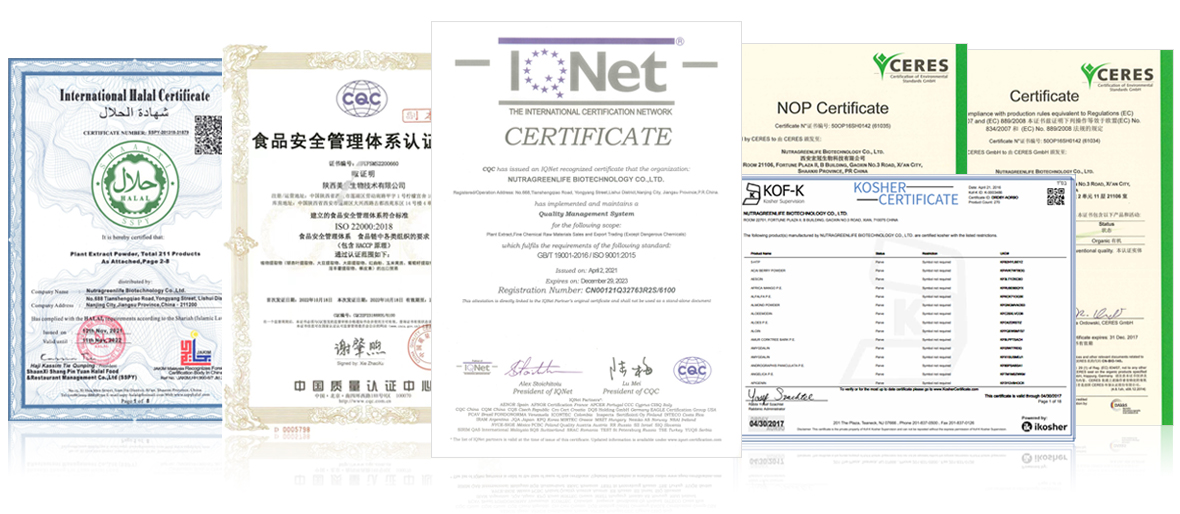
Certification: SC, ISO9001, IS22000, HALAL, KOSHER
Package: 1- 10 kg (aluminum foil); 25kg ( paper drum)
Sample: Free Sample Available
MOQ: 1- 5 kg support < br> 15 years of experience in the nutritional supplements industry
Product Description
What is Amygdalin Extract?
Amygdalin Extract is an extract from a plant that contains a naturally occurring cyanogenic glycoside called amygdalin, which is found in the seeds of many plants, such as bitter almonds and apricot kernels. Amygdalin is a naturally occurring compound with a specific chemical structure found in specific plants. The extract is derived from the botanical raw materials by a process of extracting and concentrating certain ingredients, and different extracts may have different compositions depending on the source raw material and extraction process used. The nature and content of amygdalin, its appearance, its purity, and other properties pertinent to its physicochemical nature are typical characteristics. The quality specifications can include amygdalin assay, identification, moisture content, residual solvents, heavy metals, and microbiological parameters. It is typically found as white to off-white crystals or powder upon purification, and can take other forms depending on the concentration of the extract and how it is processed. It is a special botanical ingredient that has a naturally occurring chemical makeup and measurable content of active ingredients. It is noteworthy that the enzymatic or other chemical breakdown of amygdalin may liberate hydrogen cyanide, and that this may be a factor to consider when handling and evaluating its toxicity.
Analysis
|
Test Item |
Specification |
Result |
Test Method |
|
Appearance |
White to off-white fine powder |
Conforms |
Visual |
|
Identification |
Positive for amygdalin |
Conforms |
HPLC / FTIR |
|
Amygdalin Content |
≥ 98.0% (dry basis) |
98.3% |
HPLC |
|
Loss on Drying |
≤ 5.0% |
2.8% |
USP <731> / Gravimetric |
|
Residue on Ignition |
≤ 0.5% |
0.2% |
USP <281> |
|
pH (1% aqueous solution) |
5.0–7.0 |
6.1 |
pH Meter |
|
Particle Size |
NLT 95% pass 80 mesh |
Conforms |
Sieve Analysis |
|
Bulk Density |
Report result |
0.45 g/mL |
Bulk Density Tester |
|
Lead (Pb) |
≤ 1.0 mg/kg |
0.12 mg/kg |
ICP-MS |
|
Arsenic (As) |
≤ 1.0 mg/kg |
0.08 mg/kg |
ICP-MS |
|
Cadmium (Cd) |
≤ 0.5 mg/kg |
0.05 mg/kg |
ICP-MS |
|
Mercury (Hg) |
≤ 0.1 mg/kg |
<0.01 mg/kg |
ICP-MS |
|
Cyanide / Hydrocyanic Acid |
Establish limit based on intended use and applicable regulations; test required |
Not provided — test required |
Validated method (e.g., LC-MS / appropriate cyanide assay) |
|
Total Plate Count |
≤ 1,000 CFU/g |
120 CFU/g |
USP <61> / AOAC |
|
Yeast & Mold |
≤ 100 CFU/g |
<10 CFU/g |
USP <61> / AOAC |
|
Escherichia coli |
Absent in 10 g |
Absent |
USP <62> / AOAC |
|
Salmonella |
Absent in 25 g |
Absent |
USP <62> / AOAC |
Market Trends
The market trend of Amygdalin Powder aligns with the general progression of the botanical ingredients market, where consumers' preference for naturally derived ingredients, plant-based products, and ingredient transparency is shaping market preferences and driving product development. In the international marketplace, growing demand for botanicals is driven by the growth of nutraceuticals, functional products, and specialty compounds derived from plants. The naturally occurring cyanogenic glycoside amygdalin in apricot kernels and bitter almonds is in a class by itself and is not the same as fruit powders or conventional botanical extracts. With a rising trend in interest in botanical chemistry and the use of botanical ingredients, the origin, standardized composition, analytical verification, and traceable sourcing of botanical ingredients are becoming more relevant. Meanwhile, the market is still a niche market and not a well-established category of mainstream ingredients; the commercial development is affected by safety issues and different regulatory requirements in various markets. For future market opportunities, product characterization, quality, responsible communication, and compliance with regulatory requirements are therefore paramount.
Why Choose Amygdalin Extract?
1. Recognizable Botanical Origin:
It can be found in apricot kernels and bitter almonds and is a naturally occurring, distinctly recognised plant compound.
2. Scientifically Characterized:
It has a well-defined chemical structure, so it can be identified and analysed quantitatively by suitable analytical procedures.
3. Distinctive Compound Profile:
It is a cyanogenic glycoside, which has certain chemical characteristics making it different from other ingredients found in a plant.
4. Research Versatility:
Amygdalin is important to natural product chemistry, compound analysis of plants, and studies on plant-derived compounds.
5. Standardized Content Options:
Specifications may be used in the form of an extract specification, which may be referred to in terms of concentration to identify different grades and composition profiles.
6. Quality Transparency:
Analytical testing and product specifications aid in ingredient identification, composition verification, and batch consistency.
7. Plant-Based Ingredient Interest:
This is in line with the general growing trend of interest in naturally derived compounds and plant-of-origin raw materials.
8. Clean-Label Considerations:
Botanical origin can be used for plant-derived ingredient positioning, but this can be considered a clean label depending on the full formulation and the standards to be applied.
9. Safety and Compliance Awareness:
Safety evaluation and regulatory compliance are important factors to consider, as Bitter Almond Extract can release hydrogen cyanide under certain conditions.
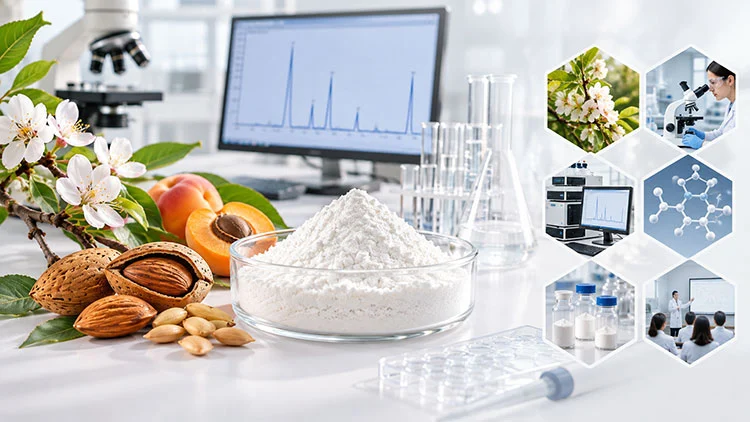
Product Directions
1. Analytical Reference Materials:
The HPLC and LC-MS analysis of cyanogenic glycosides in botanical samples can be developed using amygdalin of verified purity as a reference material.
2. Botanical Authentication Products:
It may be used as a marker compound in analytical procedures to distinguish and compare apricot, peach, and bitter almond plants.
3. Enzyme Research Reagents:
Amygdalin is a substrate that may be utilized in controlled laboratory research of β-glucosidase and similar enzyme activity.
4. Botanical Chemistry Research Materials:
Characterized amygdalin can be used by specialized laboratory reagent suppliers in research-grade ingredient libraries for natural compound chemistry and identification.
5. Reference Standards for Quality Control:
Qualified material can be used to develop and verify analytical procedures for the measurement in extracts from botanicals and in the raw material from seeds.
6. Educational Laboratory Reagents:
Research-grade amygdalin may be provided for controlled demonstration of the structure of the glycoside and enzymatic reactions and for analytical chemistry.
FAQ
1. What is Amygdalin Extract derived from?
Amygdalin Extract is mainly from botanicals that contain amygdalin, such as apricot kernels and bitter almonds.
2. What are the main quality specifications for Amygdalin Extract?
Some common specifications are: Amygdalin content; Appearance; Identification; Purity; Moisture; and Amygdalin limits of contaminants.
3. How is amygdalin content measured?
Depending on the product specification and testing requirements, validated analytical methods can be used to quantify the amygdalin content of the product, such as HPLC.
4. What are the main considerations when handling Amygdalin Extract?
Under certain conditions, the amygdalin can be released to form hydrogen cyanide. Handling procedures need to be appropriate and safe, safety documentation needs to be maintained, and regulatory compliance needs to be observed.
5. Can Amygdalin Extract be used in food or dietary supplement formulations?
It is dependent on the use that is supposed to make and the regulations of the target market. Before use, check for regulatory approval and safety considerations.
Where to Buy Amygdalin Powder?
To know specifications, prices, or any other customized specifications, please contact us by email at the bottom of the page, info@scigroundbio.com, or please fill in the inquiry form at the bottom of the page. Our staff will give you timely support to help with your sourcing requirements effectively and professionally.
Our Certificate
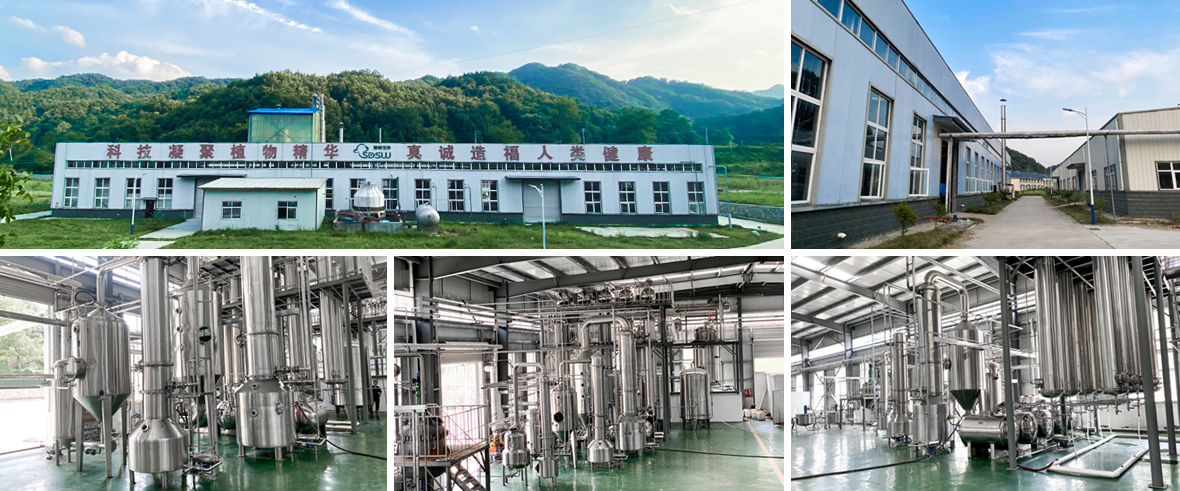
Our Factory
Hot Tags: Amygdalin Powder,Prunus armeniaca extract, China, manufacturers, GMP factory, suppliers, factory, wholesale, best, price, buy, for sale, bulk, 100%pure.
Send Inquiry
You may like