What is the use of zeaxanthin powder?
The primary applications of Zeaxanthin Powder involve its formulation in nutritional supplements, functional foods, beverages, and specialized formulations for applications based on its color properties, formulation versatility, and compatibility with modern ingredient systems.
Zeaxanthin Powder in Modern Nutrition Product Formulations
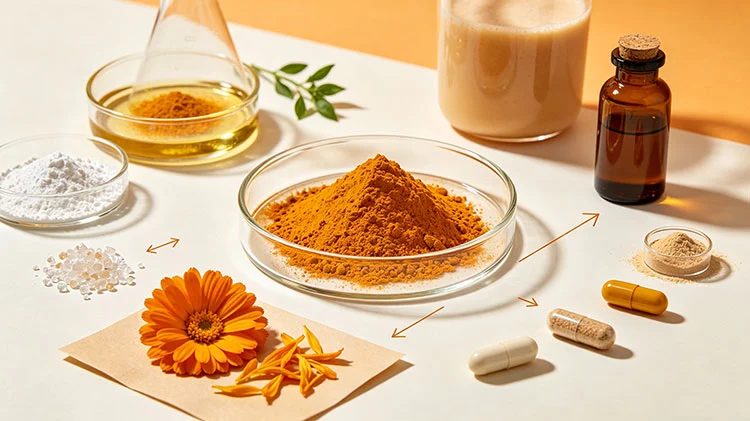
Due to its botanical origin and standardized composition, zeaxanthin powder is now an important ingredient in the formulation of natural nutrition products. It is generally prepared from the marigold flower (Tagetes erecta) and then converted to a fine powder that can be formulated for various purposes.
Zeaxanthin powder can be used in various ways, such as:
1. Capsule and Softgel Formulations
Zeaxanthin powder is often used as a carotenoid ingredient in capsule and softgel formulations. The concentrated powder form can be used to mix with other nutritional components, oils, vitamins, or botanicals for tailored concepts of products with a stable content of the active substances.
2. Functional Beverage Applications
The powder form offers flexibility in use as a beverage mix in powdered beverages, instant beverages, and blends of nutritional beverages. If applied in the right way, zeaxanthin powder can be formulated into a flavor system, fruit powder, and other functional ingredients to create innovative beverage solutions.
3. Gummy and Chewable Product Development
The rise of easy-to-eat forms of nutrition has given rise to a growing interest in gummy and chewable products. These applications can be achieved by incorporating zeaxanthin powder using dispersion technology and formulation methods that ensure product consistency and appearance.
Zeaxanthin Powder Formulation Considerations and Technical Factors
There are multiple technical considerations that need to be taken into account for the successful application of zeaxanthin powder, such as concentration level, compatibility of ingredients, processing conditions, and product format.
Some of the key formulation issues are:
1. Specification Selection
The specifications of zeaxanthin powder may vary depending on the application. When choosing the most appropriate ingredient grade to use in a formulation, product developers typically take into account the following parameters: active content, carrier system, particle size, and powder parameters.
2. Dispersion and Mixing Performance
Zeaxanthin is a fat-soluble carotenoid that needs to be taken into account when designing formulations. Mixing procedures and delivery systems can help to improve the distribution of the product.
3. Combination with Complementary Ingredients
Zeaxanthin powder is frequently used in combination with other carotenoids, plant extracts, vitamins, or other nutrients. Such combinations enable companies to develop unique formulas, tailored to specific market ideas and consumer tastes.
Zeaxanthin Powder Stability and Storage Factors
Product development, packaging, and storage are important aspects to consider when using Zeaxanthin powder. Zeaxanthin is a naturally occurring carotenoid that can be influenced by the environment, including light, oxygen, heat, and moisture.
The main factors of stability are:
1. Light Protection
Photostability and colour properties of carotenoids may be affected by exposure to strong light. Ingredients are typically kept in good quality by using protective packaging and controlled conditions.
2. Moisture Control
A dry atmosphere is essential to retain the flowability of powders and to avoid any unintended changes in flow or handling properties.
3. Processing Temperature Management
The temperature should be taken into account during the formulation process to ensure the optimal temperature properties of zeaxanthin powder during formulation.
Zeaxanthin Powder Dose Factors in Product Development
The dosage of zeaxanthin powder in a formulation will depend on its intended use in the final product, desired specifications, and regulatory requirements, as well as other ingredients.
Common considerations include:
1. Product Format Requirements
Different capsule formulations, gummy products, beverages, and food products could necessitate different approaches due to variations in serving size, processing, and interactions between ingredients.
2. Active Content Adjustment
The amount of zeaxanthin powder needed in the formula may be affected by different specification grades of the powder. For the most part, developers determine the amount of ingredients based on the standardised active content.
3. Regulatory and Labeling Requirements
The formulation for finished products incorporating zeaxanthin powder should be designed in accordance with the regulations in the target country for food and supplements, such as ingredient labelling and quality documentation requirements.
Zeaxanthin Powder Industry Applications and Market Innovation
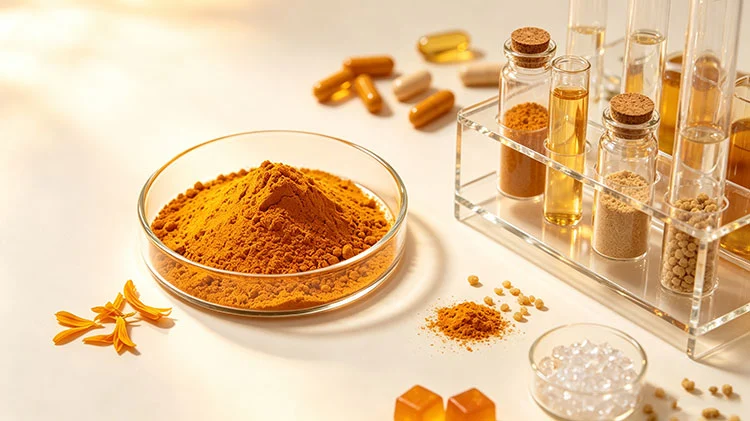
As brands seek to develop clean-label formulations and look to natural ingredients, the range of applications of zeaxanthin powder continues to grow.
Some potential new applications are:
1. Premium Nutrition Blends
Zeaxanthin powder can be used in formulations with other plant-derived powders, nutrients, vitamins, and carotenoids, which are suitable for products addressing the modern lifestyle.
2. Personalized Nutrition Concepts
The advancement of personal nutrition has led to the use of specialized ingredients to be used as part of the product solutions for different consumers.
3. Natural Ingredient Product Lines
When consumers demand more recognizable and natural ingredients, zeaxanthin powder is an attractive option for products that focus on natural or recognizable ingredients.
What is the use of zeaxanthin powder?
The Zeaxanthin powder is a multi-purpose carotenoid ingredient that is utilized in various nutritious supplements, food, drinks, and innovative formulation ventures. Applications are determined by their natural and powder properties, stability, and product system compatibility. By suitable formulation techniques, quality control, and storage methods, zeaxanthin powder offers versatile possibilities for the formulation of new nutrition products and products with special nutritional properties, which are increasingly demanded in the market.
Inquiries or bulk orders can be sent to info@scigroundbio.com, or one can fill in the requirements on the bottom form and send them directly to our team to get help immediately and get the detailed quotation and product details.
FAQ
What is zeaxanthin powder made from?
The marigold flower (Tagetes erecta) is a popular source of zeaxanthin powder. The carotenoid compounds are then concentrated and purified by extraction and purification processes to be used as a standardized powder ingredient in a variety of formulations.
How is zeaxanthin powder used in supplements?
The principal use of zeaxanthin powder is in capsules, softgels, tablets, or nutritional blends. Depending on product design, ingredient specification, and formulation requirements, the application method varies.
Can zeaxanthin powder be used in beverages and food products?
Yes. When formulation and application methods are used in appropriate mixes of beverages, fortified foods, gummies, and specialty nutrition products, Zeaxanthin powder can be incorporated when needed.
What factors affect zeaxanthin powder stability?
The primary factors that can impact the stability of zeaxanthin powder are high temperatures, excessive moisture, exposure to light, and oxygen. Proper packaging and controlled storage conditions help maintain its quality characteristics.
References
1. Ghodasara, S. N., et al. (2021). Carotenoids: Chemistry, sources, and applications in food and nutrition. Food Chemistry, 343, 128498.
2. Becerra, M. O., et al. (2020). Carotenoids and their applications in functional food development: A review. Foods, 9(9), 1235.
3. Khoo, H. E., et al. (2021). Carotenoids and their isomers: Chemistry, analysis, and applications. Molecules, 26(12), 3692.
4. National Center for Complementary and Integrative Health. (2023). Natural products and dietary supplement ingredient information. National Institutes of Health.
You may like