What is potato powder used for?
The versatility of potato powder makes it widely used in the food, beverage, and agricultural sectors as a texturizing agent, clean-label binder, and nutrient-rich ingredient throughout the world. With a growing emphasis on sustainability and functionality of botanical raw materials in procurement, the technical use of potato powder is crucial for industrial product development. This book covers commercial processing techniques, functional parameters for potato powder, structural formulation approaches, stability control, and various industrial applications of potato powder.
Commercial Processing Methods and Raw Material Selection
Industrial Starch Co-Product Recovery: The main product of potato processing is high-quality potato powder that is recovered and dried from soluble protein in fruit water and starch fractions produced during primary potato processing.
Advanced Dehydration Technologies: The drum drying or spray drying of potato powder at an advanced level preserves the original structural integrity, functional reactivity, and pale sensory profile of potato powder.
Non-GMO Sourcing Standards: The potato powder from industries is sourced directly from traceable potato cultivation bases, which provides a guarantee of non-GMO cultivation and transparency of the clean label.
Techno-Functional Properties and Industrial Performance
Viscosity Enhancement: Potato powder has excellent cold water and hot water swelling properties for use as a thickening agent for commercial gravies, sauces, and instant soups.
Moisture Retention Capacity: It binds free water to the potato powder and has a high hydroxyl bonding affinity, making the baked goods extend longer the freshness of the baked products.
Lipid-Protein Interaction in potato powder helps in stabilizing oil-in-water emulsion, which helps in preventing phase separation in processed food formulation.
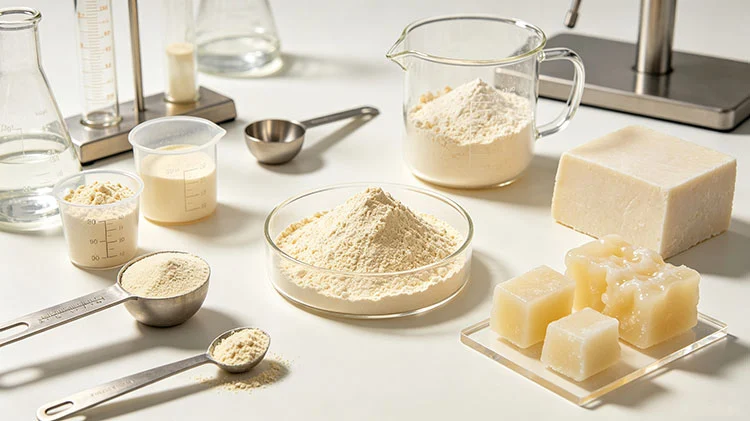
Formulation Techniques and Dosing Optimization for B2B Manufacturers
Typical industrial Dosing Range: When using potato powder for texturizing purposes, the range of 1.5% to 6.0% of total weight is considered optimal. If the primary use is moisture control, then 1.5% to 3% seems to be the optimum percentage.
Hydration Sequencing: Dry potato powder is pre-blended with other dry ingredients before the liquid is added to the batch to prevent agglomeration and evenly distribute the ingredients throughout the batch.
Potato powder and hydrocolloids/other plant starches work synergistically to achieve maximum gel strength and mechanical bite of end commercial products.
Stability, Shelf-Life, and Storage Management
Hygroscopic Behavior Control: Potato powder absorbs moisture from the ambient atmosphere, so industrial shipments require multi-wall moisture-resistant packaging that is lined with polyethylene.
Thermal Processing Tolerance: Potato powder retains its structure and function at high temperatures like in industrial baking, extrusion cooking, and commercial pasteurization.
Sensory Stability: Cool, dry storage at temperatures below 25°C will reduce lipid oxidation and maintain the powder's clean and neutral sensory appearance for a long storage time.
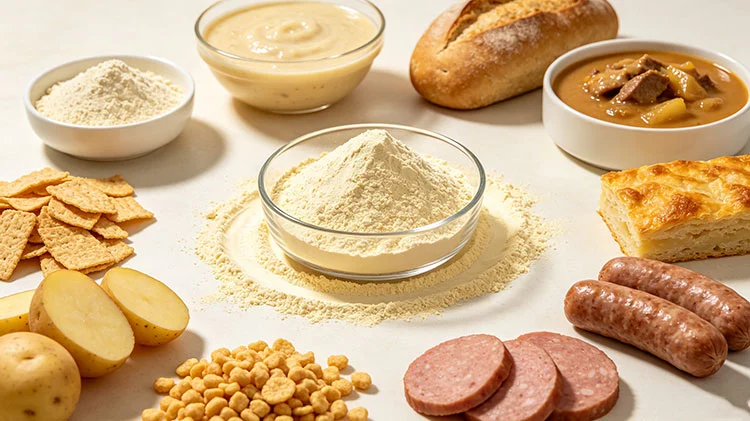
Diverse Industrial Applications and Commercial Utility
Instant Food and Soup Bases: Potato powder is used to add instant thickening and a smooth, creamy mouthfeel to dry-blend soup mixes, instant gravies, and casserole bases.
Bakery & Snack Innovations: Formulators use potato powder to make gluten-free bread dough, cracker sheets, and extruded snack pellets to provide soft crumb and improved golden surface color.
Potato powder is used for its emulsifying properties in meat processing to increase yield, moisture retention, and slicing properties in emulsified meat products, and by vegetarians as a replacement for meat.
What is potato powder used for?
To conclude, potato powder is a vital ingredient with performance-enhancing capabilities, helping businesses achieve optimal product texture, moisture control, and industrial standards. By carefully managing the dosage, hydration, and formulation, industrial manufacturers can tap into the commercial potential of potato powder in various markets around the world.
We guarantee a good supply, high-quality support, and availability for various applications. You can contact us via info@scigroundbio.com or just provide us with your needs in the form, and our representatives will get back to you.
FAQ
What is the primary industrial function of potato powder in food manufacturing?
The main industrial applications of potato powder are as a versatile texturizing agent, moisture binder, and thickener for commercial food applications, providing a better mouthfeel and structural stability.
How should commercial batches of potato powder be stored to ensure longevity?
To avoid clumping and maintain the flowability of industrial supplies, sealed packaging should be used where moisture cannot penetrate, and storage should be in a cool, dry place at temperatures below 25°C.
What are the typical recommended inclusion rates for potato powder in formulations?
This is usually between 1.5% - 6.0% of the total product weight and depends on the specific textural and/or water-binding requirements.
Is potato powder compatible with clean-label and allergen-free product lines?
Yes, high-quality potato powder is a clean, allergen-free botanical ingredient that can be readily incorporated into GMO-free clean-label formulations, which do not contain allergens.
References
1. International Starch Institute. (2025). Production Technology and Functional Applications of Potato-Derived Powders. Technical Bulletin Series, 42(3), 112–128.
2. Global Food Hydrocolloids Council. (2024). Techno-Functional Properties of Root and Tuber Powders in Modern Food Processing. Academic Press.
3. Journal of Food Engineering and Industrial Applications. (2023). Water-Binding Capacity and Rheological Behavior of Dehydrated Potato Ingredients. Elsevier Science, 189, 1045–1058.
4. Business Reports India & Global. (2026). Industrial Potato Derivatives Market Trends, Processing Technologies, and B2B Procurement Outlook. Market Research Gazette.
You may like