What is L-serine used for?
L-Serine's functional properties and formulation compatibility make it an amino acid ingredient suitable for a wide range of applications, including nutrition formulations, foods and beverages, biotechnology, and personal care formulations.
Overview of L-Serine Powder Applications in Modern Industries
L-Serine Powder is a naturally occurring amino acid, which is typically produced with advanced fermentation processes and purified to a high level of purity for commercial applications. L-serine's role as a nutritional component, as an amino acid in various global food ingredients, and as a versatile ingredient in different industrial formulations makes it an important ingredient in the global market. L-Serine Powder is a dependable raw material for manufacturers, brand owners, and OEM/ODM companies in the manufacture of products that demand consistent quality, solubility, and compatibility with other ingredients.
With the growing preference for clean label products, personalized nutrition products, and natural raw materials, buyers have been interested in L-Serine Powder. L-serine offers formulation options ranging from powdered blends and capsules to specialized ingredient systems, offering formulation flexibility to companies looking for stable and scalable ingredient solutions.
L-Serine Powder Used in Nutritional Supplement Formulations
Amino Acid Complex Products
L-Serine Powder is often included in amino acid blends that contain a variety of amino acids, which are “cocktailed” together. The usual method used to develop these products is to focus on the raw materials combination, the product presentation, or the market positioning rather than on a single raw material.
Capsule and Tablet Products.
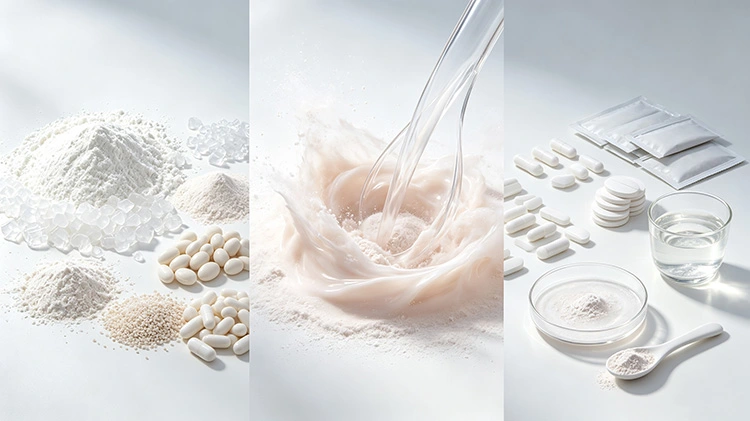
L-Serine Powder is a crystalline powder and is compatible with solid formulation manufacturing such as capsule and tablet manufacturing. Particle size, compression characteristics, and blending ratios may be modified by the manufacturers depending on the manufacturing requirements.
Powdered Nutrition Mixes
L-Serine Powder can be added to ready-to-mix powders, sachets and customized nutrition blends. It has good water solubility, which is suitable for formulations with smooth dispersion and convenient preparation properties.
L-Serine Powder Applications in Food and Beverage Innovation
Functional Beverage Premixes
L-Serine Powder is suitable to be used in food manufacturing in amino acid-based beverage systems. Can be flavored, sweetened, and enriched with vitamins and minerals to create unique powdered drink products.
Formulations of food ingredients.
L-Serine Powder can also be used in specialized food products where the raw material specification and control of ingredients are required.
Instant Powder Products
Due to its physical properties, L-serine can be incorporated into beverage powders that are instant and into multiple component mixes where it is necessary to have uniform distribution of ingredients and efficient manufacture.
L-Serine Powder in Biotechnology and Industrial Manufacturing
Fermentation-Based Production Systems
L-Serine is an amino acid that is vital in the processes associated with biotechnology. The L-Serine Powder with controlled specifications is suitable for manufacturers who need stable amino acid sources for research and industrial formulations.
Specialized Culture Media Components.
Amino acids are a component of formulations of culture media for some biotechnology applications. When manufacturers require standardized and stable quality parameters of raw materials, L-Serine Powder can be used.
Technical Ingredient Solutions
Amino acid composition, purity, and documentation are important during product development, so that industrial customers can use L-Serine Powder in their customized systems.
L-Serine Powder Formulation Considerations for Manufacturers
Dosage and Usage Level Factors
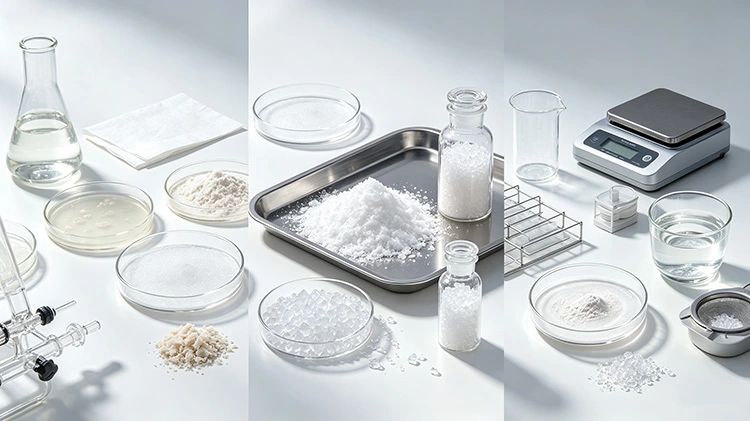
The correct dosage of L-Serine Powder is determined depending on the kind of final product, formulation goals, regulations, and the concentration of other ingredients. Usages are generally estimated by the product design, stability testing, and quality evaluation of the manufacturer.
Works well with other ingredients.Acceptable in combination with other ingredients.
L-Serine Powder is frequently used in conjunction with amino acids, minerals, vitamins, botanicals and flavour systems. Taste, moisture interaction and storage performance are among the properties that are recommended to be tested by compatibility testing.
Processing Conditions
The quality of the manufactured product can be affected by a variety of factors during its production, including temperature, mixing order, humidity control and packaging. Using the right production management can ensure consistency of ingredients.
L-Serine Powder Stability and Storage Factors
Moisture Protection
Like many fine powdered ingredients, L-Serine Powder is best kept in sealed packages in dry conditions to preserve the physical properties and keep moisture out.
Packaging Selection
Professional suppliers can normally offer moisture-resistant packaging for bulk ingredient transportation and storage. An adequate pack helps the manufacturer to control the inventory and production planning.
Quality Documentation
When it comes to procurement for international transactions, buyers typically need documents like Certificates of Analysis (COA), technical specifications, and production information to carry out quality control processes.
Emerging Trends in L-Serine Powder Market Applications
Growth of Clean-Label Ingredient Demand
This trend toward familiar, naturally sourced ingredients is prompting manufacturers to consider using fermentation-derived amino acids for product development.
Expansion of Customized OEM Solutions
As brands look for more flexible suppliers to offer them customised specifications and packaging options, along with technical support for new product launches, suppliers are willing to meet these demands.
Concentrate on Sustainable Manufacture
To meet the changing requirements of the market, modern ingredient companies are working to more efficiently use resources by developing efficient fermentation technologies and optimized production processes.
What Is L-Serine Used For?
The primary applications of L-Serine are for use as a versatile amino acid ingredient in nutritional supplements, in food and beverage formulations, as a biotechnology ingredient, and in personal care ingredient systems. L-Serine Powder is highly pure and can be formulated flexibly and is compatible with modern manufacturing techniques and processes, offering manufacturers a practical raw material choice for their custom product development. L-serine is a key ingredient for global ingredient innovation as there is a continued demand for clear sourcing, clean label, and traceable ingredient supply chains.
Feel free to contact us directly at info@scigroundbio.com or fill in the form provided at the bottom of the page, and our team members will be happy to answer your questions about the products, pricing, and the solutions that fit your specific needs.
FAQ
1. What is L-serine powder used for in supplements?
L-Serine Powder can be utilized in the manufacture of supplements as an amino acid component in capsules and tablets, powdered blends, and customized nutritional formulations. It is generally used with other ingredients to meet the manufacturers' product design requirements.
2. How is L-serine powder manufactured?
Typically, commercial L-Serine Powder is manufactured by a controlled fermentation process, then purified, concentrated, and dried to obtain a constant quality and constant specification.
3. Can L-serine powder be used in beverage formulations?
Yes. Due to L-Serine Powder's good solubility and formulation system compatibility, it can be added to powdered beverage mixes and amino acid-based drink formulations.
4. What should manufacturers consider when buying bulk L-serine powder?
The factors that bulk buyers should consider include the purity of the product, the level of manufacturing standards, the ability to provide documentation support, packaging quality, supply capacity, and the compatibility of the product with the production processes.
References
1. National Center for Biotechnology Information. (2021). Amino acids and their applications in nutritional and industrial biotechnology. National Library of Medicine.
2. Wu, G. (2021). Amino acids: Metabolism, functions, and nutrition. Amino Acids, 53, 1145–1162.
3. European Food Safety Authority (EFSA). (2022). Scientific and technical guidance for the assessment of food ingredients and nutritional components. EFSA Journal.
4. FAO/WHO. (2023). Food additives and food ingredient evaluation principles. Food and Agriculture Organization of the United Nations / World Health Organization.
You may like