What is healthier, allulose or sugar?
Allulose is a relatively healthier and safer choice than refined sugar for most modern applications, as it offers the same sweetness, but without the extra calories, and with functional properties that help the development of reduced-sugar products.
This comparison is now becoming a key point of interest to food manufacturers and ingredient developers as the demand for healthier labels and lower sugar content in foods continues to rise. Allulose sweetener has come into focus as an alternative to sucrose, which is a traditional sweetener; and allulose can serve more than one purpose for sugar without significantly altering the product. Beyond the sweetness, it is important to consider formulation performance, processing stability, dosage approaches, and commercial applications when comparing allulose vs sugar.
Why Is Allulose Different from Sugar?
Both ingredients are sweet, yet they vary in a few significant aspects.
Lower Energy Contribution
Allulose has fewer calories than sucrose.
It enables low-calorie product positioning without the need to reduce sweetness.
Manufacturers can lower sugar content without compromising formulation balance.
Similar Physical Functionality
Allulose offers more than a sweetener, unlike many high-intensity sweeteners.
Increases the contents of formulations.
Gives a pleasant taste sensation.
Supports moisture retention.
Helps maintain product texture during storage.
Mild Sweetness Profile
Provides around 70% of the sweetness of sucrose.
Produces a clean flavor and little aftertaste.
Will blend well with other sweeteners if increased sweetness is desired.
Allulose vs Sugar in Food Formulation
The focus of formulators is not only sensory quality, but also technical performance when comparing "allulose" or "sugar".
Texture Development
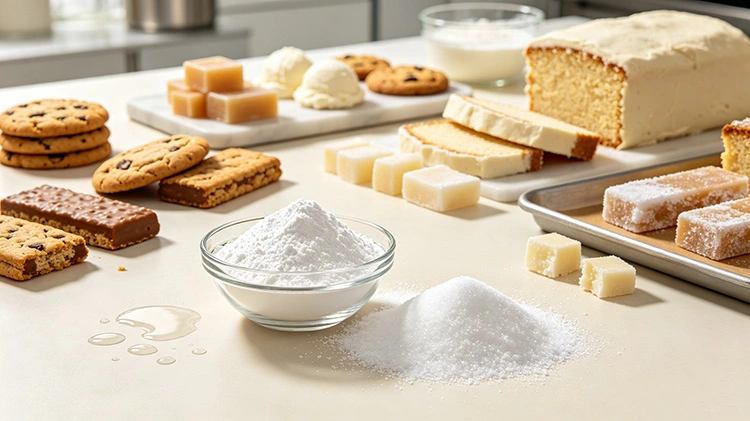
The structure provided by allulose can be found in:
Protein bars
Cookies
Cakes
Gummies
Frozen desserts
Bulking is one of its common properties, which often lessens the need for extra texturizing ingredients.
Moisture Control
Allulose has been compared with sugar and shows the following benefits:
Maintain softness in baked products.
Minimize loss of moisture in storage.
Develop more consistent shelf-life in targeted applications.
Browning Characteristics
Allulose can readily enter into browning reactions when heated.
Bakery manufacturers use this property to provide desired color development in baked goods, but may need some adjustment of baking conditions since the property can cause some browning to occur more quickly than browning with sucrose.
How to Use Allulose Sweetener Effectively
The challenge in replacing sugar is not making a direct replacement, but balancing sweet flavor with functionality.
Sweetness Adjustment
Since allulose is less sweet than sugar, this ingredient is often:
Add more allulose.
Mix with the stevia.
Mix with monk fruit extract.
Combine with other bulk sweeteners.
These strategies are used to get close to the sweetness level of sucrose and maintain the texture of the product.
Formulation Optimization
Good product development will involve:
Identifying a desired sweetness.
Evaluating moisture balance.
Testing processing conditions.
Confirming storage stability.
Doing sensory evaluation before launch.
Processing Compatibility
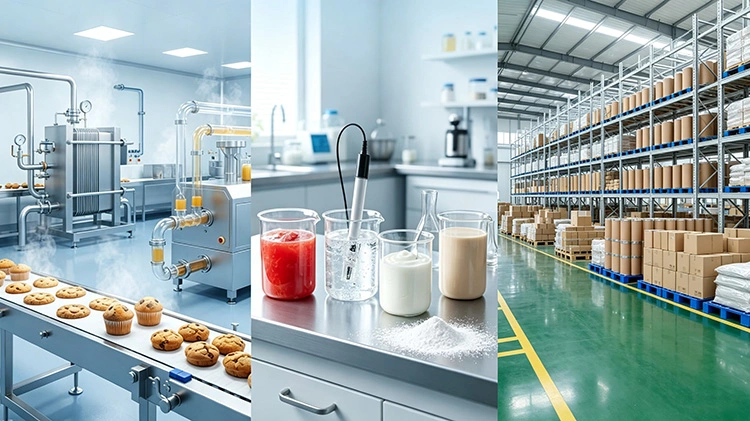
Allulose is suitable for most production systems, such as:
Powder blending
Beverage processing
Baking
Dairy production
Nutritional supplement manufacturing
Stability of Allulose During Manufacturing
Another factor in allulose sweetener's growing popularity is its ability to withstand commercial processing.
Heat Stability
Allulose is suitable for use in a wide range of manufacturing processes, such as:
Pasteurization
Conventional baking
HTST processing
UHT beverage production
Very high temperatures can cause browning, so it is important to optimize the process.
pH Compatibility
Allulose is stable under a wide range of pH and can be applied in:
Fruit beverages
Carbonated drinks
Yogurt products
Nutritional beverages
This versatility makes formulation easier for various product types.
Storage Performance
Generally, manufacturers recommend:
Cold and dry conditions.
Moisture-resistant packaging.
Protection from direct sunlight.
Stable warehouse conditions.
These practices are used to maintain product uniformity during normal shelf life.
Industry Applications of Allulose vs Sugar
As more and more people are interested in reducing their sugar intake, allulose has found applications in a wide range of industries.
Cake Making & Snack Making
Allulose is extensively used in:
Cookies
Muffins
Protein snacks
Nutrition bars
Soft baked products
It has moisture-retention properties which help in enhancing its texture in the long run.
Beverage Manufacturing
Allulose is an ingredient that provides:
Rapid solubility.
Clean sweetness.
Good flavor compatibility.
Stable processing performance.
It is generally used in flavored water, ready-to-drink beverages, coffee drinks, and sports nutrition.
Dairy and Frozen Desserts
Applications include:
Yogurt
Ice cream
Frozen dairy desserts
Protein shakes
It's used to enhance texture in frozen systems by adding to the freezing point depression.
Functional Nutrition Products
Allulose is becoming a popular choice for manufacturers because of its use for:
Meal replacement powders.
Protein supplements.
Gummies.
Chewable nutritional products.
It has sweetness and bulk in one product, which makes formulation easier than using high-intensity sweeteners.
Choosing Between Allulose or Sugar
Allulose vs sugar is not a one-size-fits-all situation, and it depends on the product that's being made. Sugar retains its sweetness and proven utility for traditional formulations, and allulose sweetener is a desirable combination of low-calorie, superior processing, moisture control, and formulation options. With continued innovation in reduced-sugar solutions throughout the food industry, numerous manufacturers are using allulose as part of integrated sweetening solutions that ensure food quality while satisfying changing customer expectations.
You may contact us directly here: info@scigroundbio.com, or you may just write your requirement in the form available on our site. Our source is dependable, our delivery rapid, and our pursuit of business diligent and professional.
FAQ
Is allulose healthier than regular sugar for everyday food products?
Allulose has significantly fewer calories than sucrose and provides comparable functionality for a variety of formulations. It is a preferred option, depending on the objectives of the product, the product formulation, the specific regulations in the region, and consumer preferences.
Can allulose replace sugar in baking recipes?
Yes. Allulose is also used in several baked goods and works well as an ingredient that provides moisture, bulk, and browning. It does taste less sweet than sugar, and tends to brown more easily, so some recipe changes may be advisable for best results.
Does allulose taste exactly like sugar?
The allulose has a clean sweetness profile similar to sucrose, but around 70% of its sweetness. Many manufacturers use it in combination with other sweeteners to get a sweetness closer to sugar and the proper texture.
What food products commonly use allulose sweetener?
Allulose is popularly used in protein bars, drink products, dairy products, frozen desserts, baked goods, confectionery, nutritional supplements, and reduced sugar snack products where sweetness and functional properties are critical.
Is allulose stable during food processing?
Yes. Allulose is generally stable under a variety of common food processing methods including pasteurization, baking and beverage processing. Processing conditions should be monitored to ensure the correct browning behavior when using this product as a sugar in formulation.
References
1. International Food Information Council. (2023). Low- and No-Calorie Sweeteners: Facts and Safety. IFIC Foundation.
2. Food and Drug Administration. (2022). Guidance for Industry: The Declaration of Allulose and Calories from Allulose on Nutrition and Supplement Facts Labels.
3. Zhang, X., Zhang, Y., Li, X., & Wang, Y. (2021). Rare sugars in food applications: Functional properties and processing characteristics. Food Chemistry, 344, 128693.
4. O'Donnell, K., & Kearsley, M. W. (2022). Sweeteners and Sugar Alternatives in Food Technology (2nd ed.). Wiley-Blackwell.
5. International Sweeteners Association. (2021). Low- and No-Calorie Sweeteners: Science and Consumer Information.
You may like