What is blackcurrant extract good for?
Blackcurrant extract is a plant extract derived from berries of the Ribes nigrum species and is used extensively in industrial applications as a natural pigment, source of polyphenols, and as a functional ingredient in a range of food, beverage, nutraceutical, and cosmetic products.
What Is Blackcurrant Extract Good For in Industrial Formulation Systems
Blackcurrant extract is used in product formulation as a versatile natural botanical ingredient that provides functionality in the areas of product design, formulation development, and stability in several industries.
Blackcurrant Extract Good for Natural Color System Development
Blackcurrant extract is mainly applied as a natural colorant ingredient because of its high concentration of anthocyanins and high colour intensity.
Delivers purple to red colours in water-based products
Enables replacement of synthetic dyes in clean-label products
Is suitable for acidic and semi-acidic products
Can be standardized at a constant colour strength
Blackcurrant Extract Good for Beverage and Liquid Product Applications
Blackcurrant extract is used in the beverage industry as a colourant and flavour enhancer.
Adds to the fruit-like taste and aroma of beverages and syrups
Enhances the look of fruit juices, flavoured waters, and functional drinks
Compatible with sugars, acids, and other flavours
Can be used to create clear or opaque beverages
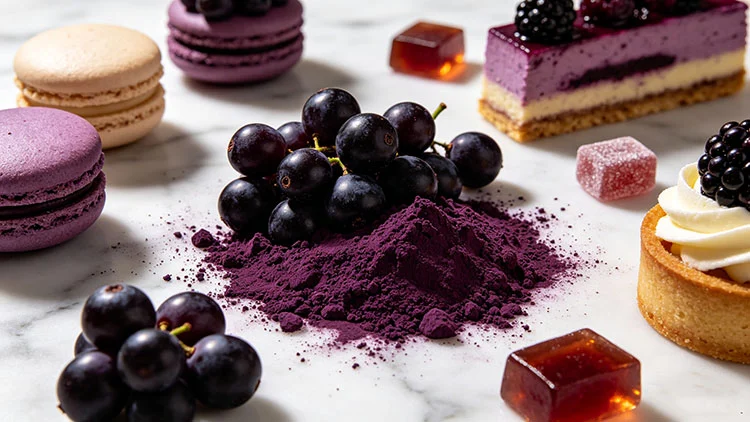
Blackcurrant Extract Good for Food System Integration
Blackcurrant extract is extensively used in food processing because of its stability and versatility in formulations.
In dairy applications (yogurt, flavoured milk)
Combined with confectionery and dessert products
Contributes to naturally coloured bakery and snacks
Aids in the blending of multiple ingredients in processed nutrition foods
Blackcurrant Extract Good for Nutraceutical Product Design
Blackcurrant extract is added to nutraceutical products as a botanical ingredient of complex formulations.
Used in tablets, capsules, and powder mix
Helps to standardize polyphenol content
Combined with vitamins, minerals, and other herbal extracts
Adds to the variety of plant ingredients in supplement formulations
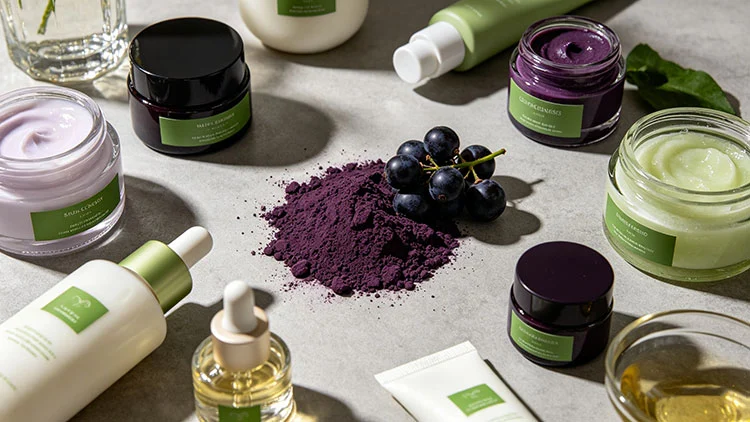
Blackcurrant Extract Good for Cosmetic and Personal Care Formulations
Blackcurrant extract is used in cosmetic products as well, for botanical ingredients.
Applied in creams and lotions to enhance skin pigmentation
Aids in visual product development in cosmetics
Works in emulsions, gels, and serums
Aids in formulation differentiation with a "green" positioning
Blackcurrant Extract Good for Formulation Stability and Processing Performance
In terms of processing, blackcurrant extract is chosen for its versatility.
Can be used in water and emulsified product applications
Can be spray-dried or liquid-concentrated
Can be used in encapsulation technologies for ease of use
Retains functionality at typical processing conditions
Blackcurrant Extract Good for Clean-Label Product Development
Blackcurrant extract and other natural ingredients are now being used to develop clean-label products.
Facilitates plant-based claims
Enhances product colours by replacing dyes
Supports the trend towards clean-label, natural products
Improves ingredient label claims
Blackcurrant Extract Good for Multi-Industry Application Flexibility
The versatility of blackcurrant extract means it can be used by a variety of industries.
Food industry for coloring and flavour system enhancer
Drinks industry for appearance and taste support
Nutraceutical industry for herb blending
Cosmetic industry for product aesthetics and natural plant basis
Blackcurrant Extract Good for Ingredient Innovation and R&D Use
Blackcurrant extract is also used in research and development labs for formulation development.
Aids in the study of the stability of natural colour
Aids in the development of prototypes for beverages and cosmetics
Assists in examining acids, sugars, and emulsifiers
Helps to enhance product consistency and reproducibility
Conclusion
Blackcurrant extract can be used for natural pigments, formulation development, and product development across industries. Its anthocyanin-rich profile, processing versatility, and compatibility with a range of other ingredients make it a common botanical ingredient used in food, beverage, nutraceutical, and cosmetic products. Instead of being used as a one-dimensional ingredient, it is used as a versatile, multi-functional ingredient to support product design and formulation performance in clean-label product innovation.
Contact us today to learn more about our products and pricing. You can send an email to info@scigroundbio.com or submit your requirements using the form at the bottom of our website.
FAQ
What is blackcurrant extract used for in food and beverage products?
It is applied as a natural colorant and/or taste-modifier in juices, dairy, desserts, and functional drinks.
Can blackcurrant extract be used in cosmetic formulations?
Yes, it has applications in skin care and personal care products to aid in natural colouring and botanical ingredient marketing claims.
Is blackcurrant extract suitable for powdered formulations?
Yes, it can be powdered and used in supplement capsules, beverage mixes, and blended supplements.
What affects blackcurrant extract performance in formulations?
Stability and performance can be affected by pH, processing temperatures, light sensitivity, and encapsulation techniques.
References
1. Del Bo’, C., et al. (2020). Berry polyphenols and human health. Nutrients, 12(2), 401.
2. Khoo, H. E., et al. (2021). Anthocyanins: Biosynthesis, functions, and applications. Food Chemistry, 365, 130411.
3. Manganaris, G. A., et al. (2022). Stability of anthocyanins in food systems: A review. Trends in Food Science & Technology, 120, 94–106.
4. European Food Safety Authority (EFSA). (2023). Guidance on botanical preparations in food applications. EFSA Journal, 21(6), 8021.
You may like