What are the potential side effects of taking pumpkin seed protein powder?
Pumpkin Seed Protein Powder tends to be safe to consume as long as it is taken in the recommended dosage, although some people may experience mild gastrointestinal discomfort with high doses of the product or due to specific botanical dietary fiber and mineral content.
Our business is based on supplying high-grade raw materials and plant extracts to enterprise clients worldwide. For product developers and quality assurance staff, knowing about the physiological response, formulation safety parameters, and suitable industrial methods of handling pure pumpkin seed protein powder is essential. This technical guide delves into the biochemical characteristics, processing parameters, and utilization parameters of pumpkin seed protein powder, facilitating its safe and compliant commercial integration in a wide range of functional food and supplement categories.
Physiological Tolerance and Gastrointestinal Dynamics
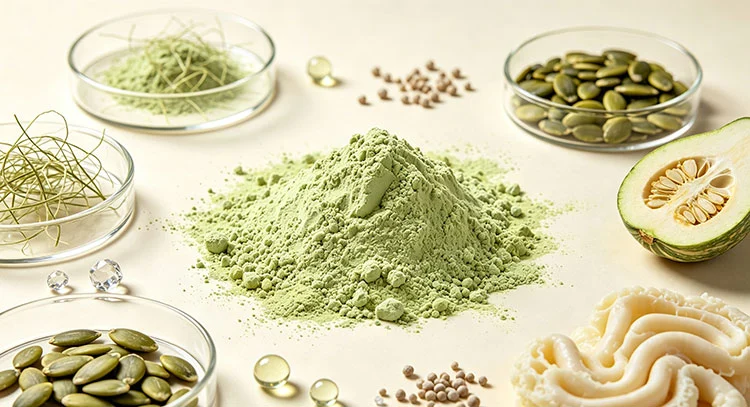
In formulations used in large-scale commercial applications, knowledge of digestive tolerance is critical for success when using botanicals. Pumpkin seed protein powder is rich in natural dietary fibre and in dietary minerals that have an impact on gastrointestinal transit rate in different ways than refined animal protein.
Fiber-Induced Adaptation: The natural dietary fiber matrix found in pumpkin seed protein powder is a factor that must be taken into account as a physiological adaptation that consumers must undergo in order to be able to consume it.
Mineral Concentration Impact: Natural magnesium and zinc levels are important for nutrition, but if taken in excess of recommended daily intakes will cause mild osmotic activity.
Protein Digestibility Ratios: Intact cell structure provided by high-purity mechanical pressing results in continuous enzyme digestion and reduces rapid fermentation intolerance in the lower gastrointestinal tract.
Naturally allergen-free; free of common triggers like soy, dairy, and gluten, pure pumpkin seed protein powder does not cause severe systemic immune responses from major food allergens.
Formulation Guidelines and Dosage Optimization
By formulating precisely, industrial end-users are able to rely on the optimum function of the product without experiencing any sensory or digestive-related drawbacks. The process of setting percentage limits for pumpkin seed protein powder in the final products ensures the stability of the product and customer satisfaction.
Recommended Serving Thresholds: The typical per-serving amount of pumpkin seed protein powder for a commercial dietary supplement or meal replacement is 20–30g, which is in line with a human's digestive capacity.
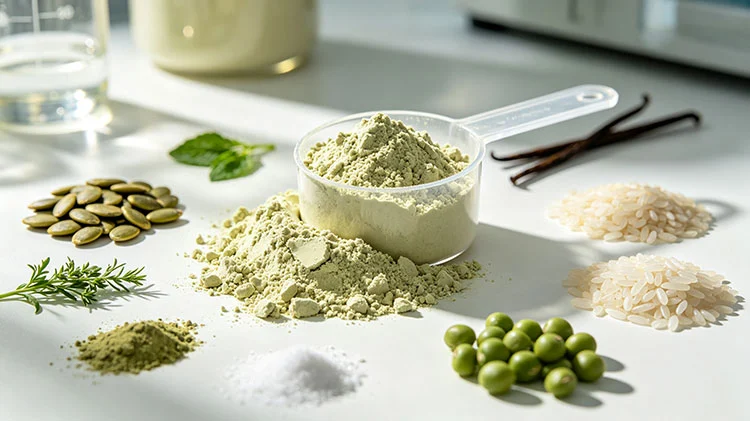
Foods like concentrated mineral powders are often used in combination with other plant proteins, such as pea or rice protein, to complement the amino acids and to reduce the amount of minerals per unit serving, a concept known as Blended Protein Strategies.
To control water-binding characteristics, texture and viscosity calibration is essential, as the higher the concentration of seed proteins, the more viscous the product will be.
Natural Botanical Flavor Masking: By using natural botanical flavorings, pumpkin seed protein powder can be used to balance the earthy and nutty flavor that it may have, without needing to add synthetic flavors or too much sweetener.
Industrial Stability, Storage, and Processing Safety
When handling large volumes of raw materials, it is important to make sure that all the materials are kept in the same condition until they are ready for use. In large-scale production, it is essential to ensure that the raw materials are not compromised in any way until they are ready for use. Biochemical stability inhibits oxidation and maintains the pure pumpkin seed protein powder's pristine quality.
Lipid Oxidation Management: Commercial storage requires cool, dark, and hermetically sealed storage conditions to avoid rancidity and shorten the shelf life because of the trace residual plant oil found in mechanical extraction.
Moisture Control Parameters: Low storage relative humidity (RH<60%) prevents agglomeration, microbial growth, and enzymatic degradation during longer storage periods under the cover of the warehouse.
Thermal Processing Tolerance: The thermal processing tolerance of pumpkin seed protein powder is good, and it is stable in moderate heat processing, but the high temperature of the industrial extruder must be taken care of; otherwise, it is easy to denature the protein.
Microbiological Compliance Standards: Third-party batch testing meets rigorous standards and guarantees complete freedom from pathogens, meeting international food-grade standards.
You can contact us directly at info@scigroundbio.com or just fill in your needs in the form. Our group will deliver timely service, good prices, and custom-made solutions to cater to your needs.
What are the potential side effects of taking pumpkin seed protein powder?
To conclude, pumpkin seed protein powder is a truly versatile botanical ingredient suitable for a wide range of modern B2B applications with its high nutritional content and low production cost; however, proper dosage parameters, formulation blending, and storage stability are crucial to ensure that the product becomes as commercially effective as possible and still provides optimal digestive comfort.
FAQ
Q: What are the potential side effects of taking pumpkin seed protein powder in commercial formulations?
A: Too many servings of pumpkin seed protein powder or consuming it too quickly can lead to mild digestive adjustments or temporary bloating from its natural dietary fiber and minerals.
Q: What is the recommended inclusion rate for pumpkin seed protein powder in dietary supplement recipes?
A: The usual dose of the standard industrial formulations is 20-30 grams per serving, which is the amount that yields the best tolerance and functional performance.
Q: How does pumpkin seed protein powder behave during high-temperature food processing?
A: It shows thermal stability when used for regular baking and mixing, but high/low temperatures should be monitored when using it to ensure the best protein structure.
Q: What storage conditions are required to maintain the stability of bulk pumpkin seed protein powder?
A: Bulk shipments should be kept in cool, dry, dark places in sealed fiber drums or multi-wall paper bags to avoid moisture absorption and lipid oxidation.
References
1. Reis, F. S., et al. (2020). "Seed proteins from Cucurbita species: Nutritional evaluation, functional properties, and industrial food applications." Food Research International, 137, 109724.
2. Bora, P. (2021). "Functional, techno-functional and structural properties of pumpkin seed protein isolate and its application in modern food systems." Journal of Food Measurement and Characterization, 15(4), 3412-3421.
3. Wang, Y., et al. (2022). "Plant-based proteins from oilseeds: Extraction technologies, nutritional quality, and gastrointestinal tolerance assessments." Critical Reviews in Food Science and Nutrition, 62(18), 5012-5030.
4. Martinez, K. L., et al. (2023). "Clean-label formulation strategies using alternative botanical proteins: Technical challenges and stability guidelines." Trends in Food Science & Technology, 131, 145-158.
You may like