What are the dangers of salicylic acid?
The principal risks associated with Salicylic Acid are related to the formulation, such as high active concentration, too acidic a pH, insufficient incorporation of the solvent, which may result in crystals forming in the product, and use of improper concentration limits in cosmetics as specified by the cosmetic safety regulations.
Safety Fundamentals: What Are the Dangers of Salicylic Acid in Technical Formulations?
The understanding of the dangers associated with the use of salicylic acid in commercial products calls for analysing its interactions in cosmetic matrices. Raw salicylic acid powder is a lipophilic beta-hydroxy acid (BHA) with high capacity for absorption into skin surfaces, so batches with incorrect proportions or a lack of buffering can affect the lipid barrier of the skin or irritate the skin locally.
Acidic Barrier Disruption:
Unbuffered finished formulas with pH less than 3.0 elevate the free-acid content to unsafe ranges, resulting in skin stinging, redness or desquamation in the affected areas.
Recrystallization Risk:
If the powder isn't solubilized well during its production, this can lead to the formation of sharp, tiny crystals, which can create uneven patches of high concentration in creams or serums.
Over-Exfoliation Potential:
Active levels above established cosmetic limits (usually >2.0%) remove the natural surface lipids, which leads to an increase in transepidermal water loss (TEWL).
Photosensitivity Vulnerability:
Chemical exfoliation thins the outer layer (stratum corneum), which makes the epidermal layer more susceptible temporarily to the sun's radiation.
Formulating Risks: What Are the Dangers of Salicylic Acid Solubilization and pH Imbalance?
During their assessment of the dangers of salicylic acid in processing, the chemical engineers find that two quality control points are very important – phase stability and acid-base neutralization. The safety profiles of finished products are directly affected when they are not manufactured properly.
Solubility and Precipitation Hazards
Raw salicylic acid is not completely water soluble (only about 2 g/L at 20°C) and cannot be forced into the water without appropriate co-solvents, which causes considerable instability of the formula.
Gritty Texture Formation:
If not done properly, the glycol pre-dissolution process can leave visible suspended particles, which may lead to mechanical micro-abrasions during application.
Batch Inhomogeneity:
When mixing is done on a large scale, without good mixing, it results in uneven mixing, which leads to different dosage levels for retail packaging units in the same production run.
Syneresis and Phase Separation:
Unstable emulsion systems may separate, leading to the release of concentrated acidic phases, which may harm the skin of consumers on contact.
pH Neutralization and Buffer Failures
To combat the danger of salicylic acid in personal care products meant to be used by the public, controlling the system pH is of utmost importance.
Corrosive Processing Environments:
If unbuffered raw bulk solutions have low pH values, they can corrode unlined stainless steel mixing vessels and naturally contaminate the product with traces of metals.
Free-Acid Volatility:
Without sodium citrate or other buffering salts of sodium, the active acid ratio becomes uncontrolled during a prolonged storage in extended warehouses.
Incompatible Emulsifier Breakdown:
At very low pH, the anionic emulsifiers in a product are susceptible to total collapse.
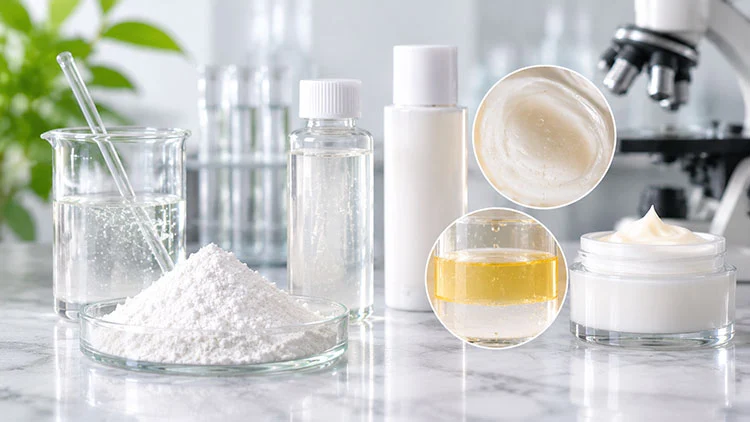
Concentration Thresholds: What Are the Dangers of Salicylic Acid Over-Dosage in Manufacturing?
A key regulatory challenge in the development of an enterprise product is to manage the percentage of active ingredients. The use of maximum levels is strictly regulated internationally to ensure that end users are protected.
Leave-On Product Limits:
If it exceeds the 1.0% - 2.0% allowed by regulation in the daily product, use of a face cream or serum will significantly increase the number of flakes and localized dryness.
Rinse-Off Product Boundaries:
Wash-off products with formulations between 2.0% and 3.0% without the proper contact-time recommendations can lead to undue problems for the scalp or face.
Each of the body care volumes contains a hazard:
High concentration leave-on formulas must be used with caution, as systemic absorption can occur if the total amount is applied to a large surface area, and maximum dosage is required.
Cumulative Exposure Risks:
Using several BHA toners, serums, cleansers, etc. together in a skin care regimen increases cumulative skin sensitivity.
Storage and Handling: What Are the Dangers of Salicylic Acid Raw Material Instability?
Awareness of the hazards of salicylic acid raw powder in storage is important for bulk purchasing managers and warehouse logistics workers to maintain the purity of raw material and worker safety.
Dust Inhalation Hazards:
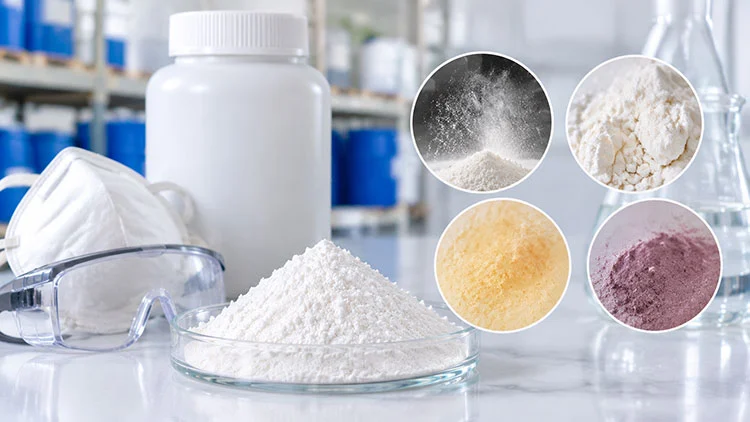
Dry crystalline active powder is prone to dusting during bulk charging, and the dust will irritate the mucous membranes of the respiratory system, so special dust extraction equipment and protective gear should be used.
Moisture-Induced Caking:
Raw bulk drums exposed to humid environments can lead to powder agglomeration, which can make it challenging to accurately dry-weigh the powder during the batching process.
Photolytic Discoloration:
Keep raw inventory in clear containers to minimize changes in color from UV degradation, which can be seen as yellow or pink.
Trace Metal Contamination:
Dark purple complex formation is caused by iron ions from non-passivated equipment, thus affecting the aesthetics of the batch.
Mitigating What the Dangers of Salicylic Acid Present to Brands
Enterprise formulators adjust their processes to meet high standards in global regulations and safety tests to preserve brand equity and to control the risks posed by salicylic acid in consumer markets.
Compendial Purity Verification:
Using USP/BP/ EP grade raw materials with high purity (≥ 99.5%) provides minimal heavy metal and residual solvent impurities as raw materials.
Dermatological Safety Testing:
Routine Human Repeat Insult Patch Tests (HRIPT) show product mildness before market release.
Dermatological Safety Testing:
Standard Human Repeat Insult Patch Tests (HRIPT) demonstrate the product's mildness before mass market.
Robust Quality Documentation:
Keeping Safety Data Sheets (SDS) and COAs up-to-date is essential for protecting the integrity of the supply chain and ensuring regulatory compliance.
To sum up, when it comes to understanding the hazards of salicylic acid, industry hazards include improper pH buffering, inadequate pre-dissolution of the solvent, violations of regulatory concentrations, and raw dust handling in bulk processing. Through formulation chemistry, keeping the pH range of the system between 3.0 and 4.0 and using the correct co-solvents, manufacturers can successfully eliminate these processing hazards and manufacture safe and stable personal care products.
If you have any other questions or would like more information about our products, please reach out for support via this website or by emailing info@scigroundbio.com directly.
FAQ
Q1: What are the dangers of salicylic acid when used at an incorrect pH level?
A: Formulating the salicylic acid at a pH below 3.0 will greatly enhance the free acid concentration and will thus result in high concentrations of non-ionised free acid that can irritate, redden, and disrupt the skin. The pH range is buffered from 3.0 to 4.0, which helps ensure the product is safe.
Q2: What are the dangers of salicylic acid crystallization in finished cosmetic serums?
A: If it precipitates out of solution as micro-crystals, then areas of extreme concentration are created. The product may be activated unevenly, which can lead to mechanical irritation and product performance variations.
Q3: What are the dangers of salicylic acid raw powder handling during bulk manufacturing?
A: Fine raw powder dust is irritating to the respiratory system and eyes when it is inhaled. During batch charging at industrial facilities, local exhaust ventilation, dust containment systems, and proper personal protective equipment (PPE) should be used.
Q4: What are the dangers of salicylic acid over-exposure in daily skincare routines?
A: Excessive exposure to multiple high-percentage BHA products can lead to the loss of barrier lipids, resulting in a loss of transepidermal water loss, continued dryness, and increased environmental stressors.
References
1. CosIng Regulation Database. (2021). Annex III: List of substances which cosmetic products must not contain except subject to the restrictions laid down (Salicylic Acid). European Commission.
2. European Commission Scientific Committee on Consumer Safety (SCCS). (2022). Opinion on Salicylic Acid (CAS No. 69-72-7) in cosmetic products (SCCS/1646/22). European Union.
3. Johnson, W., & Bergfeld, W. F. (2020). Safety assessment of salicylic acid and its salts as used in cosmetics. International Journal of Toxicology, 39(Suppl 2), 25S–53S.
4. Patel, S., & Zhai, H. (2023). Cutaneous penetration kinetics and barrier impact of topically applied beta-hydroxy acids. Journal of Cosmetic Dermatology, 22(4), 1120–1129.
You may like