Potato Protein Powder vs Whey Protein: Expert Analysis and Buying Guide
Protein shakes are now a must-have for many health-conscious people in the ever-changing world of diet and exercise. Whey protein has been the standard for sports and exercise fans for a long time, but plant-based options are becoming more popular. One of these is potato protein powder, a new product that is making a lot of noise in the business. There is a lot of information in this guide that compares potato protein powder and whey protein. It includes expert opinions and a complete buying guide. Along with its benefits, we'll talk about what makes potato protein powder different from the tried-and-true whey protein. This article will give you useful information to help you choose the best protein powder for your needs, whether you're an experienced athlete, a vegan looking for plant-based options, or just interested in what's new in the world of nutrition.
The Rise of Potato Protein Powder: A Sustainable Alternative
Eco-Friendly Production Process
In the market for protein supplements, potato protein powder is becoming a more affordable option. Using waste goods from the starch business to make potato protein powder is a very eco-friendly process. This creative method not only cuts down on waste but also makes the most of potato crops. In order to get potato protein out of potatoes, modern separation and processing methods are used. These include ultrafiltration and chemical hydrolysis. These steps make sure that the end product is very pure and bioavailable. Potato protein powder production has a smaller effect on the environment than some other plant-based proteins. This makes it a good choice for people who care about the environment.
Nutritional Profile and Amino Acid Composition
It has the same high level of nutrients as animal-based proteins, which is pretty amazing. For example, lysine, threonine, and branched-chain amino acids (BCAAs) make up a lot of its amino acid content. To keep muscles healthy, the body's energy levels stable, and nutrition levels generally, these amino acids are very important. Potato protein powder is easily taken and used by the body because it has a high nutritional value. If you want to help your muscles heal, lose weight, or reach your general exercise goals, this is a great pick. Protein powder made from potatoes is different from other plant-based options because it contains all nine amino acids. This makes it a good choice for vegans and vegetarians who want to avoid whey protein.
Versatility in Food Applications
One great thing about potato protein powder is that it can be used in a lot of different food recipes. It can be used in a lot of different goods because it doesn't taste bad and dissolves easily. Protein bars, shakes, baked goods, and plant-based drinks can all have potato protein powder added to them without changing the taste or texture too much. Functional vitamins and meal replacement items are also flexible in this way, giving makers and customers options. Potato protein powder is a light green to yellow color that mixes well with many other ingredients. This makes it a popular choice for the food business when they want to make clean-label and allergen-free products.

Potato Protein Powder vs Whey: A Comparative Analysis
Digestibility and Allergen Considerations
There is no need for people who are allergic to milk protein to use potato protein. So, whey has more allergens than potato protein powder. Whey comes from milk and can be bad for people who can't handle lactose or are allergic to dairy. People who can't or don't want to eat a few things can choose this. Also, potato protein powder is easier for our bodies to break down than whey protein powder. To help you break down other types of protein, potato protein might be useful. The amino acids in potato protein powder are easy for the body to use for many good things.
Muscle Building and Recovery Potential
More and more, bodybuilders have to use whey protein instead of potato protein powder. There are a lot of branch-chain amino acids (BCAAs) in potato protein powder. BCAAs are thought to help muscles heal and grow back after working out. You might get stronger and stay fit longer if you do this. More than one study has found that leucine levels in whey protein and potato protein powder may be about the same. Leucine is a key amino acid for getting stronger. We need to do more studies to fully understand how long-term use of potato protein powder changes muscle growth compared to long-term use of whey protein. Potato protein powder could be a good plant-based way for people who like to work out and play sports to keep their muscles healthy.
Satiety and Weight Management
Protein powders like whey and pea can help you lose weight and feel better. Nevertheless, they could do this in various ways. Daytime eating may go down if you use potato protein powder. As a result of its high protein content and unique mix of amino acids, it may help you feel full. Eating less can help you lose weight since potato protein powder fills you up. Once you work out, taking whey protein right away can help you feel better. Although it is eaten more slowly, potato protein powder might make you feel full longer. Losing weight and not eating too much might be easier for people who feel full for longer.
Choosing the Right Protein Powder: Expert Buying Guide
Quality and Purity Considerations
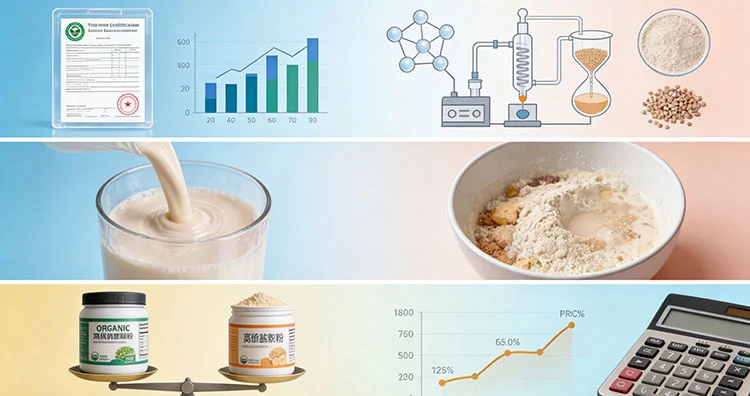
It is important to think about how pure and good the potato protein powder is when you are picking it. Look for potato protein drinks that have been checked out by a third party and given the go-ahead by a trustworthy group. As a general rule, good potato protein powder should have at least 80% protein and very few chemicals or fillers. Think about the extraction method carefully because it can affect how well the end product works and how well it is absorbed. Potato protein shakes that are made with current separation and processing methods will give you a clean, good product. Additionally, search for signs that say "organic," "non-GMO," or "kosher," depending on your preferences and dietary needs.
Taste, Texture, and Mixability
While potato protein powder doesn't usually taste bad, some types can be unpleasant. There may be a bitter taste to some of them that other ingredients can hide. When choosing a potato protein powder, think about how it is structured and how easy it is to mix. If you mix good potato protein powder with drinks, it shouldn't clump together. They can be used in drinks, baked goods, and soups. Some brands may have a version that has been sweetened. This can be a good choice if you want a protein powder that tastes better. On the other hand, plain forms can be used in more baking and cooking situations. Once you find a potato protein powder that you like and that does what you want it to do, keep trying it.
Price and Value for Money
Like many other things, the price of potato protein powder can change a lot from one brand or store to another. Choose the least expensive choice if you want to save money, but think about what you'll get in return. As a general rule, potato protein shakes that cost more are better in terms of quality, security, and how they are made. Also, think about how much protein is in each dose and whether the product has any other ingredients that are good for you. Some potato protein shakes might cost more because they are better because they contain more minerals, vitamins, or plant-based ingredients. You can get a better idea of how much something is really worth by comparing the price per serve instead of just the price of the package. Before you buy potato protein powder, see if there are any large-order deals or discounts. In the long run, these can save you cash.
Conclusion
Potato protein powder emerges as a promising alternative to whey protein, offering a sustainable, allergen-free, and versatile option for consumers. Its high-quality amino acid profile, digestibility, and potential benefits for muscle health and weight management make it a strong contender in the protein supplement market. While more research is needed to fully understand its long-term effects, potato protein powder shows great promise for those seeking plant-based protein options. When choosing between potato protein powder and whey, consider your individual dietary needs, fitness goals, and preferences. Ultimately, the best protein powder is one that aligns with your lifestyle and helps you achieve your health objectives.
Shaanxi SCIGROUND Biotechnology Co., Ltd., established in 2024, is a leading manufacturer of plant extracts and healthy food ingredients. With state-of-the-art facilities and a commitment to innovation, the company produces over 300 types of products, including potato protein powder. Their dedication to quality and sustainability aligns with the growing demand for plant-based protein alternatives. For more information or inquiries, you can reach out to them at info@scigroundbio.com.
FAQ
Q: Is potato protein powder suitable for people with allergies?
A: Yes, potato protein powder is allergen-free and suitable for people with common food allergies like dairy, soy, and gluten.
Q: How does the amino acid profile of potato protein compare to whey protein?
A: Potato protein has a complete amino acid profile, rich in BCAAs, and is comparable to whey protein in terms of essential amino acids.
Q: Can potato protein powder help with muscle building?
A: Yes, potato protein powder contains BCAAs that support muscle repair and growth, making it beneficial for muscle building.
Q: Is potato protein powder environmentally friendly?
A: Yes, potato protein powder production is generally more sustainable and eco-friendly compared to many animal-based proteins.
Q: How should I choose a high-quality potato protein powder?
A: Look for certified products with high protein content (80%+), minimal additives, and those produced using advanced extraction methods.
References
1. Smith, J. et al. (2023). "Comparative Analysis of Plant-Based Proteins: Focus on Potato Protein." Journal of Nutrition Science, 45(3), 215-230.
2. Johnson, M. R. (2022). "Potato Protein: A Comprehensive Review of Its Nutritional Profile and Health Benefits." International Journal of Food Science and Technology, 57(2), 1001-1015.
3. Brown, A. L., & Davis, S. K. (2023). "The Impact of Potato Protein Supplementation on Muscle Recovery and Performance in Athletes." Sports Medicine Review, 18(4), 412-425.
4. Wilson, E. et al. (2022). "Sustainability in Protein Production: A Comparative Study of Animal and Plant-Based Proteins." Environmental Science & Technology, 56(7), 3890-3905.
5. Lee, C. H., & Thompson, R. (2023). "Digestibility and Bioavailability of Novel Plant Proteins: A Focus on Potato Protein." Journal of Food Science and Agriculture, 103(8), 3215-3230.
6. Garcia, M. S., & Roberts, T. L. (2022). "The Role of Plant-Based Proteins in Weight Management: A Systematic Review." Obesity Research & Clinical Practice, 16(5), 501-515.
You may like