Is potato protein good for you?
Yes, potato protein powder is extremely healthy; it has a great profile that is plant-based, with a fantastic biological value, a lot of essential amino acids, and it contains no major food allergens. Potato protein powder has become an elite raw material for the development of modern products and is becoming more popular in the world of procurement as the sector moves towards clean-label and sustainable ingredients. It is a complete guide to the technical parameters for use, formulation methods, dosage, stability, and major industry applications for potato protein powder.
Nutritional Profile and Amino Acid Excellence of Potato Protein Powder
Potato protein powder is scientifically proven to contain a high biological value of nutrition and is a good source of all the essential amino acids, which are as good as animal protein.
High levels of Lysine: Potato protein powder has a high concentration of this essential amino acid naturally, whereas the plant alternatives often have insufficient amounts of lysine.
High on the list of sensitive populations would be those who have major food allergies, including soy, wheat, gluten, and dairy, and potato protein powder is free of these allergens and is a safe choice for these consumer groups.
Techno-Functional Properties and Industrial Performance
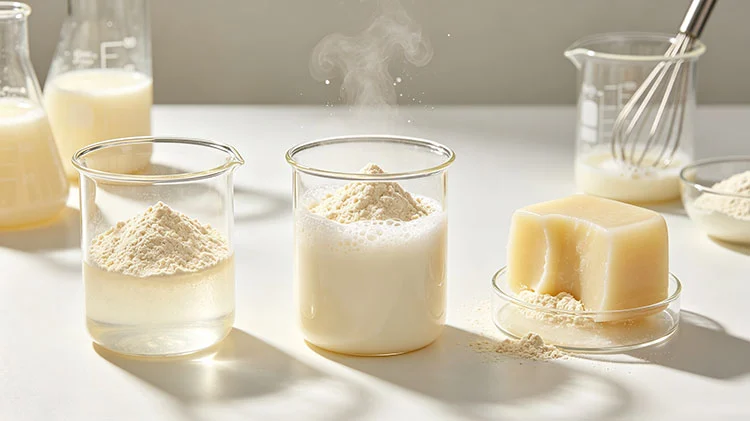
Excellent Solubility Range: High-grade potato protein powder is made using state-of-the-art green processing methods and has an excellent solubility range so it doesn't precipitate in complex food matrices.
Good Emulsifying and Foaming Properties: Industrial Formulators use potato protein powder to create stable emulsions and long-lasting foams; it is a great substitute for egg albumen from the volatile egg in different culinary systems.
Effective Gelation Strength: The potato protein powder's structural storage proteins (mainly patatin) promote reliable thermal gelation, providing firmness and elasticity in texturized food systems.
Formulation Techniques and Dosing Optimization for B2B Manufacturers
Typical recommended industrial dosages for potato protein powder are 2.0% – 8.0% by total formulation weight, depending on the desired function (structural binding, texturizing, or protein fortification).
Pre-dispersing potato protein powder in ambient water before thermal processing provides uniform hydration, no lump formation, and maximum viscosity.
Complementary legumes and/or seeds are blended with potato protein powder to balance the ratios of sulfur amino acids, as well as to enhance the mouthfeel and mechanical bite of plant-based products.
Stability, Shelf-Life, and Processing Guidelines
Thermal Tolerance: Potato protein powder is stable to normal temperature processing procedures in food products, including extrusion, UHT pasteurization, and industrial baking.
Moisture and Storage Management: Industrial potato protein powder should be stored in moisture-resistant, cool, and dry conditions below 25°C to avoid caking and to ensure the flowability of the powder.
Neutral Sensory Behavior: These clean-tasting properties reduce any unwanted taints, reducing the need for artificial flavoring agents or masking additives in final commercial products.
Diverse Industrial Applications and Commercial Utility
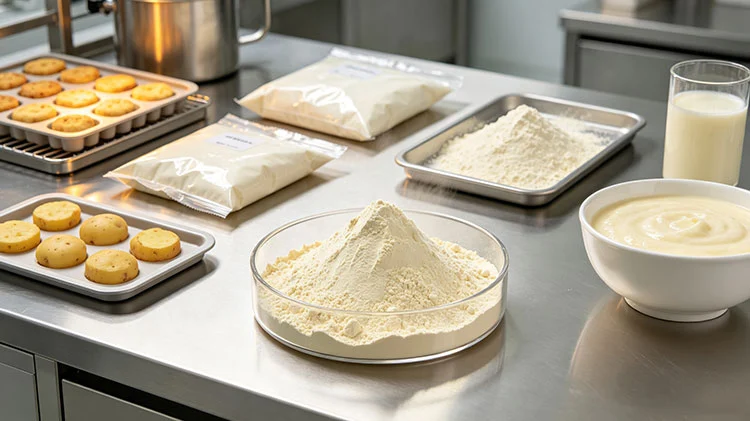
Veggie-Noodles: Potato protein powder is used to add texture to vegan nuggets, burgers, and sausages; it provides fiber and helps retain moisture during cooking.
Potato protein powder is used as an emulsifier, allowing food manufacturers to use it to properly set vegan cheese blocks, spreads, and barista-café grade coffee creamers.
Potato Protein Powder for Gluten-Free Bakery and Snacks: Potato protein powder can be used for bread loaves, crackers, and extruded snack pellets to add color to the crust through the Maillard reactions and to increase the structural crumb softness.
Is potato protein good for you?
To sum up, potato protein powder is an extremely functional, nutrient-rich, and eco-friendly botanical ingredient that can help B2B companies make a positive impact on their clean label product lines. By following these three fundamentals – dosing, hydration, and formulation design – industrial potato protein powder manufacturers can realize the true potential of potato protein powder and provide a superior commercial product to the world market.
We guarantee a good supply, high-quality support, and availability for various applications. You can contact us via info@scigroundbio.com or just provide us with your needs in the form, and our representatives will get back to you.
FAQ
What is the primary botanical source used to manufacture potato protein powder?
Potato protein powder is obtained mainly from the potato fruit juice and tubers used in industrial potato starch production, using modern and environmentally friendly separation technologies.
How does potato protein powder support clean-label product development?
Potato protein powder is a non-GMO, allergen-free ingredient that is free from soy, dairy, and gluten, enabling brands to keep their ingredient lists simple and transparent — which resonates with today's consumers.
What are the recommended dosage levels for incorporating potato protein powder into food matrices?
Typical commercial use is between 2% and 8% by weight, depending on the particular textural, emulsifying, or protein fortification requirements of the formulation.
Does potato protein powder affect the flavor or aroma of final commercial goods?
No, high-purity potato protein powder does not have any strong off-notes; as a result, its sensory profile is neutral, and its taste is clean, which allows the use of less intensive flavor maskers in the product.
References
1. Future Market Insights. (2026). Potato Protein Isolate Market: Global Industry Analysis and Opportunity Assessment, 2026–2036. FMI Report.
2. Mordor Intelligence. (2026). Potato Protein Market Size, Share, Growth & Industry Analysis, 2026–2031. Mordor Intelligence Research.
3. PotatoPro. (2025). Potato Protein: The Next-Gen Plant Powerhouse Transforming Global Nutrition. Industry Technical Review and Extraction Guide.
4. Ralet, M.-C., & Guéguen, J. (2016). Potato proteins: Composition, recovery and functional properties. ResearchGate Publication, 286461458.
You may like