Is pea protein powder good for you?
Pea Protein Powder is a suitable, plant-based protein ingredient when used correctly, providing a highly protein-rich ingredient that has a high level of formulation versatility for sports nutrition, functional foods, and dietary applications.
What Is Pea Protein Powder and Why Is It Widely Used?
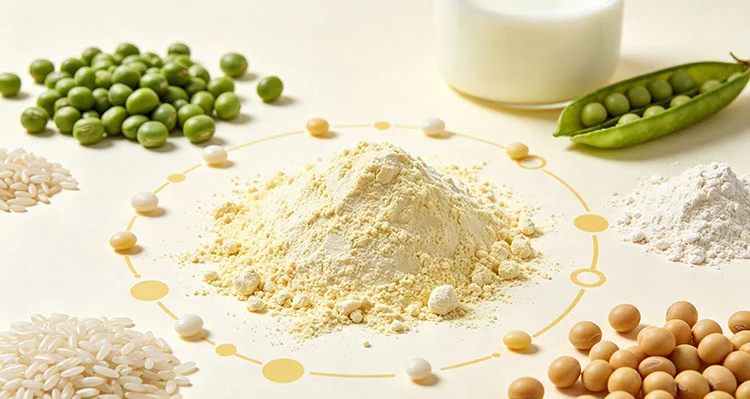
Pea protein powder is a plant-based protein ingredient that is mainly separated, filtered, and dried from the yellow pea (Pisum sativum L.). It is available in various forms: pea protein concentrate (PPC) or pea protein isolate (PPI), depending on the amount of protein and the processing techniques used. With its neutral functionality, clean label positioning and suitability for vegetarian and vegan formulations, pea protein powder is one of the most popular alternative proteins on the global nutrition market.
Pea protein powder has the following key properties:
Pea protein isolate is usually a protein-rich source that can be used in various ways, such as in powdered protein blends, nutrition bars, and beverage formulations.
Natural dairy-free: It is naturally dairy-free and can be used in numerous non-dairy product ideas.
Water binding, emulsification and texture properties: Pea protein powder can be used to enhance the water binding, emulsification and texture of various food applications.
Neutral formulation compatibility: It is compatible with all flavors, sweeteners, minerals, plant proteins, etc., which can be used to develop customized formulations.
Pea protein powder can be used as a functional raw material for manufacturers, in addition to providing nutrition, to help create modern protein food products.
Nutritional Characteristics of Pea Protein Powder
Pea protein powder's benefits lie in its balanced nutritional profile and the advantages it offers. Pea protein is relatively rich in protein and has a wide spectrum of essential amino acids when compared to many other protein sources from plants.
Notably, the following are important nutritional features:
Protein content: Most of the commercial products of pea protein isolate are standardized to give a high protein content and can be used for protein supplements and fortification.
Amino acid profile: Pea protein is rich in amino acids, including branched-chain amino acids (BCAAs), but the distribution of the amino acids is not the same as animal proteins.
Low allergen positioning: Pea protein powder is used as a substitute for milk and soy protein powder, which are known to cause allergies in a number of people.
Processed technologies may affect the digestibility, solubility, and protein structure characteristics.
Pea protein powder is commonly mixed with other plant proteins, such as rice protein, in professional formulations to enhance amino acid profiles and sensory attributes.
How to Use Pea Protein Powder in Product Formulations?
Pea protein powder can be used in various applications, such as in the production of food or feed, and as a supplement for animals and humans. The selection of the appropriate specification is typically done based on the protein concentration, solubility, viscosity, and flavor performance of the protein.
Typical ways of application are:
Protein beverages: Pea protein powder can be used in ready-to-mix protein drinks and in powdered protein drinks. The use of appropriate homogenization and flavor masking techniques can help to enhance mouthfeel.
Nutrition bars: Pea protein powder can be used in nutrition bars to add structure to the product as well as protein.
Non-dairy dairy products: Can be incorporated into non-dairy drinks, yogurt and creamy products (where protein fortification is desired).
Pea protein powder is frequently found in recovery products, protein bars or powdered supplements containing protein.
The particle size, mixing temperature and stabiliser systems are sometimes adjusted by the manufacturer to increase the stability of the suspension and to decrease the sedimentation in beverage applications.
Pea Protein Powder Dosage Factors and Formulation Tips
The required amount of pea protein powder will vary based on the type of product being developed. Industrial formulators usually calculate the usage amount according to the targets of protein content, sensory and processing restrictions.
The factors that are crucial to formulation are:
Protein percentage target: High levels of inclusion to help achieve a higher protein content, but can affect the taste, viscosity, and texture.
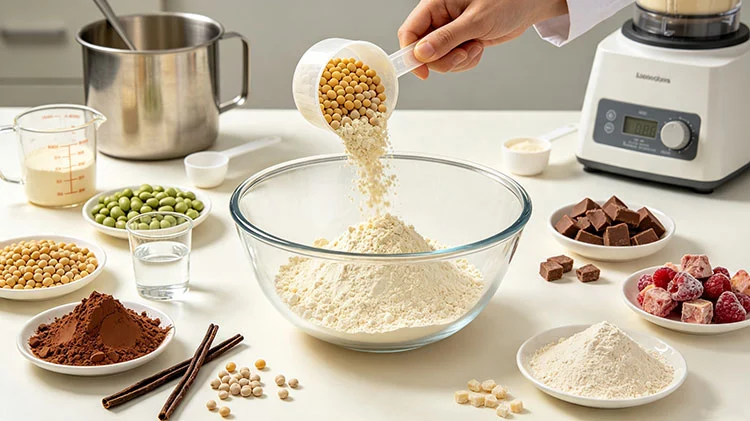
Selection of flavor systems: Natural flavors, cocoa, vanilla, and fruit-flavored systems are frequently used in combination with pea protein powder to enhance flavor.
Blend with other proteins: Pea protein powder can be combined with other proteins for optimal texture and nutritional benefits.
Water absorption: Pea protein absorbs water well and needs to be taken into account throughout the product development process.
Processing temperature: Too high temperatures can have an impact on the functionality and product quality of the proteins.
Suppliers of ingredients typically will supply technical information such as specification sheets, microbiological testing, heavy metal analysis, stability, and customized formulations.
Stability and Quality Considerations of Pea Protein Powder
Stability of pea protein powder is a critical issue impacting storage time, manufacturing productivity, and product uniformity. Manufacturers who buy pea protein powder in bulk: It's crucial to have proper quality control.
The following are some of the most important quality factors:
Moisture control: Low moisture content helps reduce clumping and helps to promote long shelf stability.
Routine microbiological analysis to ensure the quality of ingredients and safety of the production.
Testing for contaminants – compliance with food ingredient standards.
Powder flowability in packaging: Moisture-resistant packaging to retain powder flowability during transport and storage.
Storage: Ingredients are recommended to be stored in cool and dry areas away from direct sunlight to help preserve ingredient performance.
High-quality pea protein suppliers will have a standardized extraction process and a strict quality management system to ensure consistency in their production for manufacturers worldwide.
Industrial Applications of Pea Protein Powder
Pea protein powder has gained traction as a versatile ingredient in various sectors, including food, cosmetics, and animal feed, further driving its rising demand. Its versatility has led to its increasing use in diverse industries, such as food, cosmetics, and animal feeds, contributing to its growing demand. Due to its functional attributes, it can be used to produce a wide range of protein-based products.
They have several significant applications, such as:
Sports nutrition: Applied in protein powders, protein replacement, and protein blends.
Food and beverage: Applied in protein-enhanced drinks and snacks, bakery products, and functional foods.
Plant-based products: These are used to enhance protein levels and consistency of alternative food formulations.
Nutritional supplements: Chosen as clean-label protein for tailored protein powder products.
Bulk pea protein powder can be used to produce private label products, thanks to its versatility in formulation.
Manufacturers can use pea protein powder throughout the development process, from the selection of ingredients to the production of the final product, in order to create high-protein products.
Is Pea Protein Powder Good for You?
Pea protein powder is a valuable protein source from plants that has excellent nutritional properties, formulation performance, and is used in a wide range of industries. High protein content and being plant-based, combined with its adaptability to processing, make it an ideal ingredient for sports nutrition, functional foods, and personalized supplement products. Choosing the right pea protein powder that meets specifications, is of high processing quality, is compatible with formulations, and has a reliable supplier is crucial for ensuring consistent product performance.
When you are in need of good-quality products that are reliable in nature, then you get no better deal than ours. You can reach out to us directly at info@scigroundbio.com or fill in the form at the end of the page, and our prompt team will get in touch with you with packed product information, pricing details, and help you with order placement to fulfill your business goals.
FAQ
1. Is pea protein powder a good source of plant-based protein?
The answer is yes; pea protein powder is a good-quality plant protein ingredient widely used in nutritional products. A good source of protein and can be used in combination with other plant proteins for balanced protein formulations.
2. How much pea protein powder should be used in a formulation?
The amount of pea protein powder used is dependent upon the product, the protein to be achieved, the texture desired, and processing conditions. Typical manufacturers will decide the optimum inclusion rate based on formulation testing.
3. Can pea protein powder be used in beverage products?
Yes, pea protein powder can be added to powdered drinks and ready-to-mix drinks. Developing pea protein beverages involves consideration of factors such as solubility, particle size, type of stabilizer, and flavor systems.
4. What is the difference between pea protein concentrate and pea protein isolate powder?
Pea protein concentrate has a lower protein concentration, but the protein is more pure and contains more of the original pea components; Pea protein isolate powder is separated with additional steps to achieve a higher protein content and a lighter formulation profile.
References
1. Shen, Y., Hong, S., & Li, Y. (2022). Pea protein composition, functionality, modification, and food applications: A review. Advances in Food and Nutrition Research, 101, 71–127.
2. Hall, A. E., & Moraru, C. I. (2022). Comparative effects of high pressure processing and heat treatment on in vitro digestibility of pea protein and starch. npj Science of Food, 6, Article 2.
3. West, S., Monteyne, A. J., Whelehan, G., et al. (2023). Ingestion of mycoprotein, pea protein, and their blend support comparable postexercise myofibrillar protein synthesis rates in resistance-trained individuals. American Journal of Physiology-Endocrinology and Metabolism, 325(3).
4. Gorissen, S. H. M., et al. (2022). Plant-based food patterns to stimulate muscle protein synthesis and support muscle mass in humans: A narrative review. Applied Physiology, Nutrition, and Metabolism, 47(7), 700–710.
You may like