How to choose a reliable Vine Tea Extract supplier?
When picking a Vine Tea Extract provider, companies in the nutrition, food and drink, and skincare fields need to be very careful. There is a plant called Ampelopsis grossedentata that makes vine tea extract. This extract is becoming more popular because it has many good chemicals in it, such as dihydromyricetin (DHM). When choosing a service, it's important to think about things like the quality of the product, how it was extracted, any certificates it has, and how often it delivers. A reliable seller should give full product information, such as how many active ingredients are in the product, and be honest about where they get their ingredients and how they make the product. Also, look for sellers who have met foreign quality standards in the past and can give you test results from a lab that is not connected to the seller. It's also a good idea to work with cooking and technical help providers who have been in the business for a while. You can make sure that your goods always have a steady supply of high-quality Vine Tea Extract that meets both government standards and customer expectations by giving these things careful thought.
Quality Assurance and Testing Methods for Vine Tea Extract
Standardization of Dihydromyricetin Content
A very important part of making sure the quality of Vine Tea Extract is that the amount of dihydromyricetin (DHM) is always the same. To correctly measure the DHM level, reliable providers use high-tech testing methods like High-Performance Liquid Chromatography (HPLC) or UV spectrophotometry. These steps make sure the extract has the right amount of strength, which for high-quality goods is usually 98% DHM. Standardization makes sure that the active ingredient is always the same and also lets formulas use exact doses. When comparing providers, find out how they handle standards and ask for reports of analysis that list the DHM content and other important factors. A reliable Vine Tea Extract seller will be open about how they test their products and be happy to give you full analysis reports if you ask for them.
Contaminant Screening and Safety Assurance
Importantly, strict particle screening is needed to make sure that Vine Tea Extract is safe. Companies you can trust test their products thoroughly to find and get rid of harmful substances like heavy metals, herbicides, mycotoxins, and bacterial agents. GC-MS is often used to look for chemical traces, and ICP-MS is often used to look for heavy metals. To keep things clean during handling, providers should also follow Good Manufacturing Practices (GMP) and set up quality control methods. You should get specific safety records and ask about the supplier's quality control measures all along the production chain when you're looking for Vine Tea Extract. Botanical products are regulated by international safety standards and laws. A trusted provider will be able to show proof that they follow these rules.
Stability and Shelf-life Studies
To find out if Vine Tea Extract is safe and effective in the long run, stability and shelf-life tests are needed. Reliable providers test the extract's stability under a wide range of weather factors to see how it changes over time. In these studies, things like DHM content preservation, color stability, and bacteria growth are usually looked at. Long-term and rapid stable tests tell you a lot about how to store something properly and how long it should last. When choosing a Vine Tea Extract provider, find out how they test for safety and how long the extract will last in different store circumstances. A trustworthy seller will give you advice on how to store and handle the extract in a way that keeps its quality and strength throughout its shelf life. This will make sure that the Vine Tea Extract works well in finished products.
Sourcing and Sustainability Practices in Vine Tea Extract Production
Ethical Sourcing of Raw Materials
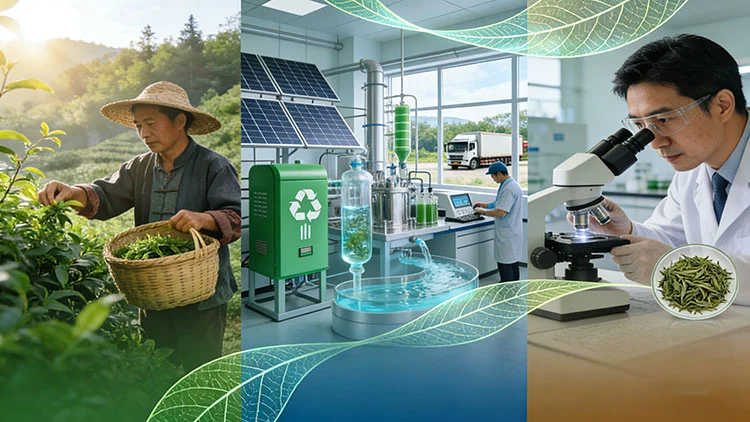
When choosing a Vine Tea Extract provider, it is very important to look at how they get their raw materials in an ethical way. To protect Ampelopsis grossedentata populations for the long run, responsible providers emphasize safe gathering methods. They often work closely with people in southern China, which is where the plant grows naturally, to build fair trade relationships and support farming methods that will last. When reviewing sources, find out about their buying policies. This should include information on how they grow crops, how they gather crops, and what steps they take to keep wild populations from being over-harvested. A trustworthy Vine Tea Extract provider should be able to give you information on how the product was made, showing that they care about fair sources and protecting the environment. This method not only makes sure there is a steady supply of high-quality raw materials, but it also helps local businesses and protects wildlife.
Environmental Impact and Carbon Footprint
The carbon footprint and effect on the environment of making Vine Tea Extract are becoming more and more important in choosing a provider. Suppliers who care about the environment use eco-friendly methods in all parts of the production process, from growing the plants to extracting the materials and packing them. This could mean using green energy sources, putting in place systems that recycle water, and improving extraction methods to use less liquid. When evaluating providers, find out what their environmental policies are, how they handle waste, and if they have any certificates that show they care about the environment. Check out sellers that have done things to reduce their carbon impact, like finding the best ways to ship their goods or using eco-friendly materials for packing. A good Vine Tea Extract provider will be open about their efforts to protect the environment and will always be working to lower their impact on the environment while keeping the quality of their products.
Organic and Non-GMO Certifications
There is a growing desire for natural and unaltered goods in the Vine Tea Extract market, which is why organic and non-GMO labels are becoming more important. Suppliers with a good reputation usually have approved organic choices. This means that the Ampelopsis grossedentata plants are grown without using any industrial fertilizers, herbicides, or pesticides. If the extract is certified non-GMO, you can be sure that it comes from plants that have not been genetically modified. When looking for a Vine Tea Extract provider, find out what certifications and standards they follow, like Non-GMO Project Verified or USDA Organic. Not only do these licenses show that you care about quality and cleanliness, but they also give you an edge in the market. A dependable provider should be able to show proof of their certifications and know what organic and non-GMO production methods for Vine Tea Extract require and why they're better.

Regulatory Compliance and Documentation for Vine Tea Extract
International Quality Standards and Certifications
Suppliers of Vine Tea Extract that you can trust will follow international quality standards and have the right approvals. To find a good provider, look for ones that have ISO 9001 for quality management systems, ISO 22000 for food safety management, and HACCP for risk assessment and key control points. These certificates show that the company is dedicated to keeping high levels of quality throughout the whole production process. Also, standards like FSSC 22000 or BRC Global Standard for Food Safety are becoming more important for companies that supply the food and drink business. When looking at possible Vine Tea Extract providers, you should ask to see copies of their certificates and learn about how they handle quality control. A trustworthy seller should be able to explain in detail how they meet and keep up with these international standards, making sure that their Vine Tea Extract meets the high-quality standards of markets around the world.
Regulatory Compliance Documentation
When buying Vine Tea Extract for use in different fields, it's important to have full legal compliance documents. Trustworthy sellers keep dossiers that are always up to date with information about the legal state of their products in different countries, as well as thorough product specs and safety data sheets. This paperwork should include proof that the product meets rules like FDA rules in the US, EFSA guidelines in Europe, and similar rules in other target markets. Ask providers for their regulatory compliance package and judge how full it is and how well it fits your needs. If you're looking for a trusted Vine Tea Extract provider, they will be able to give you clear information about how their product is regulated in different places, including any limits or special needs for using it in food, supplements, or makeup. This much paperwork not only makes it easier to get into the market, but it also shows that the provider is serious about following the law and regulations.
Batch-to-Batch Consistency and Traceability
Making sure that Vine Tea Extract is consistent from batch to batch and keeping strong methods for tracking it are important parts of quality assurance. Reliable providers use strict quality control measures to make sure that the DHM level and general quality of the extract are the same from one production run to the next. This includes keeping careful records of where the raw materials come from, how they are processed, and how the end product is tested. When looking at different sources, find out how they keep track of their batches and make sure their Vine Tea Extract production is consistent. Get examples of batch analysis results and look at them side by side to see how different they are. A trustworthy seller should be able to show the whole process, from growing the Ampelopsis grossedentata to making the end extract. This way, any problems with the quality can be found and fixed quickly. Not only does this level of tracking help ensure quality, but it also gives people more faith in goods that contain Vine Tea Extract.
Conclusion
Picking a trustworthy Vine Tea Extract provider is important to ensure the quality of the product, its safety, and compliance with regulations. Businesses can find providers who meet the top standards in their field by focusing on quality assurance, buying methods, and legal paperwork. Look for providers who put standards first, test their products thoroughly for safety, and show they care about the environment. Certifications, being able to track products, and regular quality are all signs of a reliable seller. Companies can build strong relationships with Vine Tea Extract providers by carefully considering these factors. This will ensure a steady supply of high-quality extract for their goods and help the natural health and wellness market grow.
For those seeking a reliable Vine Tea Extract supplier, Shaanxi SCIGROUND Biotechnology Co., Ltd. stands out as a professional manufacturer with extensive experience in plant extracts and health food ingredients. Established in 2024, the company boasts a 50-acre factory with an annual output exceeding 5000 tons. With over 300 product types and multiple certifications, SCIGROUND offers high-quality Vine Tea Extract and other plant-based ingredients for various industries. Their commitment to innovation, quality, and customer satisfaction makes them a strong contender in the global market. For more information or inquiries, interested parties can reach out to SCIGROUND at info@scigroundbio.com.
FAQ
Q: What is the main active compound in Vine Tea Extract?
A: The main active compound in Vine Tea Extract is dihydromyricetin (DHM), a potent flavonoid with antioxidant and health-promoting properties.
Q: How is the quality of Vine Tea Extract measured?
A: Quality is typically measured through standardization of DHM content, usually using HPLC or UV spectrophotometry, and through comprehensive safety testing for contaminants.
Q: What certifications should I look for in a Vine Tea Extract supplier?
A: Look for certifications such as ISO 9001, ISO 22000, HACCP, and industry-specific certifications like FSSC 22000 or BRC Global Standard for Food Safety.
Q: Is organic Vine Tea Extract available?
A: Yes, reputable suppliers often offer certified organic Vine Tea Extract, ensuring cultivation without synthetic pesticides or fertilizers.
Q: How important is traceability in Vine Tea Extract production?
A: Traceability is crucial for quality assurance, allowing for the tracking of the product from raw material sourcing to final extract, and facilitating quick resolution of any quality issues.
References
1. Zhang, Y., et al. (2021). "Dihydromyricetin: A review on identification and quantification methods, biological activities, chemical stability, metabolism and approaches to enhance its bioavailability." Trends in Food Science & Technology, 108, 193-211.
2. Wang, Q., et al. (2019). "Vine tea extract is a potential candidate for a natural antioxidant and antiglycation agent: an in vitro study." Journal of Food Science, 84(5), 1051-1059.
3. Hou, X., et al. (2020). "Quality control and evaluation of Vine tea extract using HPLC-DAD and UPLC-Q-TOF-MS analyses." Journal of Pharmaceutical and Biomedical Analysis, 177, 112860.
4. Liu, S., et al. (2018). "Sustainable utilization of Ampelopsis grossedentata resources: A review." Journal of Cleaner Production, 181, 472-482.
5. Chen, L., et al. (2022). "Recent advances in the biological activities and applications of dihydromyricetin." Food & Function, 13(2), 785-804.
6. Ye, L., et al. (2019). "The effect of manufacturing processes on the quality of Vine tea (Ampelopsis grossedentata) extract." Food Chemistry, 286, 241-248.
You may like