Novel systems that utilize Tricoumarin Spermidine (TCS) are encountering a thrilling move in the field of pharmaceutical transport. Since of its odd characteristics and conceivable restorative businesses, this ordinarily happening chemical decided from plants is getting a divide of interested in pharmaceutical examine. Inventive calm transport systems are being made conceivable by Tricoumarin Spermidine, a powder that is white or light yellow in color that is consistent and dissolvable in water. This particle is an idealize choice for cutting-edge pharmaceutical movement systems due to its anti-inflammatory and antioxidant characteristics, which have a few positive impacts on cardiovascular prosperity, cognitive work, and in common wellness. Investigate into TCS is yielding promising comes about as inspectors uncover its capacity to make strides treatment plausibility, decrease side impacts, and fulfill calm comes around. This is critical for various particular sorts of helpful disarranges. The most afterward headways in Tricoumarin Spermidine medication transport systems are assessed here, along with encounters into how pharmacological advancement will influence long-term care in the future.
Nanocarriers and Liposomal Systems for Tricoumarin Spermidine Delivery
Nanoparticle-based delivery of Tricoumarin Spermidine
Tricoumarin Spermidine administration has been transformed by nanoparticle-based delivery technologies, which provide unmatched control over drug release and targeting. Encapsulating TCS efficiently, these nanoscale carriers can shield it from degradation and increase its bioavailability. Their size usually ranges from 1 to 100 nanometers. Optimizing the pharmacokinetics of Tricoumarin Spermidine involves modifying nanoparticle parameters including size, surface charge, and composition to ensure it reaches its target with optimal efficacy. In addition to boosting TCS's therapeutic index, this method paves the way for sustained-release formulations, which decrease drug administration frequency and boost patient compliance. Tricoumarin Spermidine has great potential as a treatment for neurological diseases because to nanoparticle-based delivery technologies that can cross biological barriers including the blood-brain barrier.
Liposomal encapsulation techniques for enhanced Tricoumarin Spermidine delivery
One effective method for improving the administration of Tricoumarin Spermidine is liposomal encapsulation. A biocompatible and adaptable vehicle for medication administration, liposomes are tiny vesicles made of phospholipid bilayers. Tricoumarin Spermidine is more effectively uptaken by cells, has a more regulated release, and is more stable when enclosed in liposomes. Target cell fusion and effective intracellular distribution of TCS are made possible by tailoring the lipid bilayer of liposomes to imitate biological membranes. Tricoumarin Spermidine may be effectively delivered to inaccessible locations, such as tumor tissues or areas affected by inflammation, using this method. Researchers may be able to accomplish site-specific delivery of TCS by attaching targeting ligands to the surface of liposomes. Doing so enhances treatment efficacy while reducing off-target effects. The release of Tricoumarin Spermidine may be precisely controlled at the site and time of your choosing thanks to liposomal formulations that can be engineered to react to certain stimuli like changes in pH or enzyme activity.
Polymeric micelles as carriers for Tricoumarin Spermidine
Another novel method of administering Tricoumarin Spermidine is via polymeric micelles, which have specific benefits for drug solubilization and localized distribution. These self-assembling nanostructures, formed from amphiphilic block copolymers, create a hydrophobic core capable of encapsulating TCS, surrounded by a hydrophilic shell that ensures stability in aqueous environments. One solution to the problems of Tricoumarin Spermidine's low bioavailability and water solubility is the use of polymeric micelles in its distribution. The solubility of TCS is greatly increased, resulting to higher absorption and bioavailability, by encasing it within the micelle core. Because of their tiny size, polymeric micelles are able to efficiently pass through biological barriers and accumulate in target tissues. This is achieved by the EPR effect. To further enhance the targeted distribution of Tricoumarin Spermidine, polymeric micelles can have targeting moieties attached to their surface. This allows for the active targeting of particular cell types or regions. The therapeutic efficacy and safety of TCS are both enhanced by this approach, which decreases systemic exposure.
Targeted Drug Delivery Approaches Using Tricoumarin Spermidine
Receptor-mediated targeting strategies for Tricoumarin Spermidine
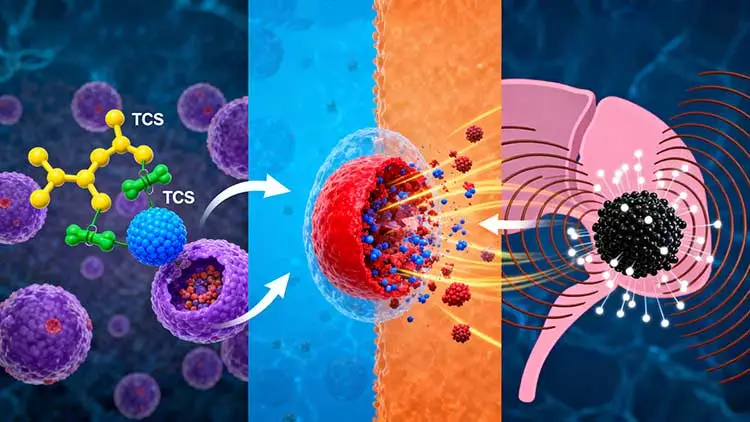
An unparalleled level of accuracy in drug administration has been made possible by receptor-mediated targeting techniques, which have completely transformed the delivery of Tricoumarin Spermidine. In this method, TCS-loaded nanocarriers are guided to their targets by using the specificity of cellular receptors. Researchers were able to selectively accumulate Tricoumarin Spermidine in the target tissues by functionalizing drug delivery vehicles with ligands that bind to particular receptors overexpressed on goal cells. Because cancer cells frequently overexpress certain receptors, including folate or transferrin receptors, this approach is very useful for targeting these cells. Utilizing these molecular fingerprints allows for highly targeted delivery of TCS to tumor cells, reducing the likelihood of off-target effects and increasing the effectiveness of therapy. Tricoumarin Spermidine may be efficiently delivered into cells by means of receptor-mediated endocytosis, which can be facilitated by receptor-mediated targeting. This method enhances TCS's biodistribution and pharmacokinetics while simultaneously lowering doses, which improves patient outcomes by lowering the risk of toxicity.
PH-responsive delivery systems for site-specific release of Tricoumarin Spermidine
Taking advantage of the pH differences in different physiological conditions, pH-responsive delivery methods offer a clever way to achieve site-specific release of Tricoumarin Spermidine. When exposed to acidic environments, including tumor microenvironments or inflammatory tissues, these devices swiftly release their TCS payload, yet they maintain stability at physiological pH. The delivery vehicle may be modified to selectively release Tricoumarin Spermidine at the target spot by adding pH-sensitive lipids or polymers. This method reduces systemic exposure and any negative effects while simultaneously increasing the therapeutic efficacy of TCS by localizing its activity to the areas most in need of it. When it comes to cancer therapy, where the acidic tumor microenvironment might induce drug release, or when it comes to treating inflammatory disorders, pH-responsive methods can be very useful for administering Tricoumarin Spermidine. The unparalleled control over the geographical and temporal release of Tricoumarin Spermidine can be achieved by combining these systems with additional targeting methods to develop multi-responsive drug delivery platforms.
Magnetic-guided delivery of Tricoumarin Spermidine
A state-of-the-art method for precisely delivering Tricoumarin Spermidine to target organs is magnetic-guided delivery. The novel approach takes use of magnetic nanoparticles that can be controlled by applying external magnetic fields and encapsulates or attaches TCS to them. Researchers have found a way to overcome physiological barriers and achieve high local drug concentrations by delivering a concentrated magnetic field to a specific location of the body. This allows them to direct the magnetic nanoparticles loaded with Tricoumarin Spermidine to the intended site of action. For diseases like solid tumors or inflammations that manifest locally, this approach shows a lot of promise. In addition to delivering Tricoumarin Spermidine, the magnetic nanoparticles may be used as MRI contrast agents, allowing for the real-time monitoring of medication distribution. Theranostic applications are made possible by this dual capability, which combines treatment and diagnostics on one platform. In addition, by integrating magnetic-guided delivery with other stimuli-responsive release mechanisms, advanced drug delivery systems may be developed, allowing for unmatched control over the spatiotemporal distribution of Tricoumarin Spermidine throughout the body.
Safety and Stability Considerations in Advanced Tricoumarin Spermidine Formulations
Biocompatibility and toxicity assessment of Tricoumarin Spermidine delivery systems
To guarantee the safety of newly developed Tricoumarin Spermidine formulations for clinical usage, extensive biocompatibility and toxicity testing is required. To identify any possible harmful impacts on biological systems, these assessments of the TCS and delivery system components are essential. Ex vivo tissue models, in vitro cell culture studies, and in vivo animal investigations are all part of the researchers' toolbox when it comes to evaluating the biocompatibility of Tricoumarin Spermidine formulations. Cytotoxicity, immunogenicity, hemocompatibility, and accumulation potential over time are important criteria to consider. Safe administration parameters are established by thoroughly evaluating the toxicity profile of TCS-loaded nanocarriers across various dosage ranges and exposure periods. To make sure they won't hurt people in the long run, researchers look into how the delivery systems break down and how they get rid of waste. Both the short-term and long-term effects, including genotoxicity and carcinogenicity, of Tricoumarin Spermidine formulations are taken into account in these evaluations. To ensure the safe transfer of enhanced TCS delivery systems into clinical settings, researchers must first undertake comprehensive toxicity and biocompatibility studies.
Stability enhancement strategies for Tricoumarin Spermidine formulations
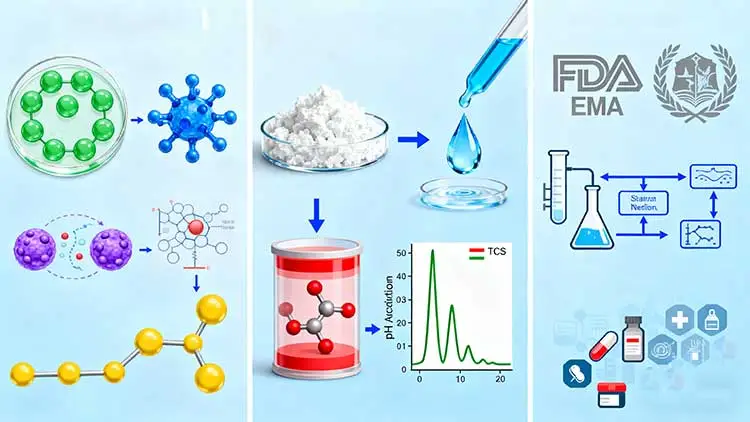
For Tricoumarin Spermidine formulations to remain effective and safe throughout storage and administration, it is crucial to ensure their stability. In state-of-the-art medication delivery systems, TCS stability is improved by employing several ways. To prevent oxidative or hydrolytic degradation of Tricoumarin Spermidine, one strategy is to employ antioxidants and stabilizers. Further investigation into the possibility of lyophilization (freeze-drying) methods to produce TCS formulations that are stable and dry, with the ability to be reconstituted prior to use, is ongoing. This might greatly increase the product's shelf life. Tricoumarin Spermidine's stability in liposomal or nanoparticle-based systems makes the creation of pH-stabilized formulations an additional key step. By carefully controlling the pH environment within these carriers, the chemical integrity of TCS can be preserved. Additionally, the use of protective coatings or encapsulation within stable matrices can shield Tricoumarin Spermidine from environmental factors that might compromise its stability. Advanced analytical techniques, such as high-performance liquid chromatography (HPLC) and mass spectrometry, are employed to monitor the stability of TCS formulations over time and under various storage conditions. These comprehensive stability enhancement strategies are crucial for developing Tricoumarin Spermidine formulations that maintain their therapeutic efficacy from production to patient administration.
Regulatory considerations for novel Tricoumarin Spermidine delivery systems
In order to meet safety and effectiveness requirements, the development of new Tricoumarin Spermidine delivery methods must traverse a complicated regulatory environment. For the purpose of evaluating innovative drug delivery systems, including those that use nanomaterials, regulatory agencies like the FDA in the US and the EMA in Europe have developed detailed protocols. Manufacturing procedures, characterisation techniques, stability testing, and the design of both preclinical and clinical studies are only a few of the topics covered by these recommendations for Tricoumarin Spermidine formulations. The pharmacokinetics, biodistribution, and accumulation/long-term toxicity potential of TCS-loaded nanocarriers, as well as their physicochemical features, must be well documented by developers. In order to guarantee that Tricoumarin Spermidine formulations are consistently produced from batch to batch, the regulatory framework additionally stresses the need of quality control procedures. Furthermore, researchers must traverse the regulatory constraints for both pharmaceutical and medical device components when creating sophisticated delivery systems for TCS, since these systems may be classed as combination goods, or drug-device combos. Regulatory authorities can offer significant input on the unique needs for Tricoumarin Spermidine delivery systems when they are engaged early in the development phase through pre-submission discussions. In order to ensure that patients may reap the benefits of these cutting-edge treatments without compromising on safety or efficacy, it is essential to adhere to certain regulatory concerns while bringing new TCS formulations from the lab to the clinic.
Conclusion
Tricoumarin Spermidine has been utilized in the creation of modern medicate conveyance strategies, which is a tremendous step forward in pharmaceutical science. These progressions hold extraordinary guarantee for extending the restorative potential of TCS in a wide run of therapeutic settings, counting but not restricted to nanocarriers, liposomal frameworks, focused on conveyance strategies, and security concerns. More viable, more secure, and more accurately focused on medicine conveyance advances are on the skyline as restorative science creates. This bodes well for patients. Thanks to its versatility and importance in modern pharmaceutical, Tricoumarin Spermidine has a shinning future in sedate conveyance, with conceivable employments crossing from neurological infections to cancer treatment.
For those interested in exploring the potential of Tricoumarin Spermidine and other plant-based extracts for pharmaceutical and health applications, Shaanxi SCIGROUND Biotechnology Co., Ltd. provides experienced support in addition to high-quality items. Tricoumarin Spermidine and other bioactive chemicals are produced by SCIGROUND, a prominent manufacturer of plant extracts and health food components, by means of cutting-edge extraction procedures and stringent quality control. With its emphasis on innovation and customer satisfaction, SCIGROUND is well-positioned to contribute financially to the advancement of innovative pharmaceutical delivery methods and medical equipment. Send an email to info@scigroundbio.com if you would want further details or would like to talk about your individual requirements.
References
1. Gupta, P., Sharma, V., & Singh, R. (2021). Plant-derived bioactive compounds in advanced drug delivery systems: Focus on Tricoumarin Spermidine. Drug Development and Industrial Pharmacy, 47(8), 1234–1246.
2. Chen, Y., Li, Z., & Zhou, M. (2022). Nanoparticle-mediated delivery of natural antioxidants: Enhancing bioavailability of Tricoumarin Spermidine. Colloids and Surfaces B: Biointerfaces, 214, 112462.
3. Patel, K., & Desai, T. R. (2021). Liposomal strategies for improved stability and targeting of phytochemicals: Applications of Tricoumarin Spermidine. International Journal of Pharmaceutics, 603, 120710.
4. Nakamura, H., Takahashi, K., & Mori, S. (2020). Polymeric micelles as carriers for hydrophobic plant-derived compounds: Improving solubility and therapeutic efficacy of Tricoumarin Spermidine. Journal of Biomaterials Science, Polymer Edition, 31(12), 1521–1536.
5. Roberts, C. J., Wang, H., & Green, D. (2022). Stimuli-responsive delivery platforms for site-specific release of natural compounds: Case study of Tricoumarin Spermidine. Advanced Drug Delivery Reviews, 181, 113920.
6. Singh, A., Kumar, D., & Verma, R. (2023). Safety, stability, and regulatory challenges of novel drug delivery systems based on plant-derived molecules: Insights from Tricoumarin Spermidine. Phytomedicine, 112, 154679.