Coconut Powder vs. Fresh Coconut: Key Differences
Numerous methods exist to create the coconut. In many meals and cultures since the 1400s, it has been extremely important. Some people who want to eat better aren't sure if they should use fresh coconut or coconut powder. Knowing the main differences between them will help you make smart decisions about food, health, and making things. Actually, coconut powder is easier to use and lasts longer than fresh coconut. These balls are made from dried coconut meat that has been pressed together. The differences between fresh coconut and coconut powder are explained in more detail. There are health benefits and instructions on how to use them in food. They ought to aid you in discovering the appropriate coconut item.
Nutritional Profile of Coconut Powder
Macronutrient Composition
All of the different kinds of macronutrients found in coconut milk make it very healthy. Good fats, especially medium-chain triglycerides (MCTs), make it a rich source of energy. This makes Coconut Powder a great choice for people who want to stay active because the body can easily break down and use these MCTs. To keep muscles and gut health in good shape, the powder also has a small amount of protein and dietary fiber. For many different diets, from vegan to ketogenic, coconut powder is a useful food.
Micronutrient Content
Coconut milk usually has a good amount of vitamins and macronutrients. Iron, manganese, and copper are chemicals that your body needs for many processes. Besides that, it has good vitamins in it, like vitamin C and B-complex vitamins. Most of the time, these vitamins are better for you in coconut powder than in real coconut. You can add something fresh and good for you to your food by using coconut powder.
Antioxidant Properties
Coconut powder has flavonoids that are good for your health. The powder has good hormones that help the body deal with worry, which isn't good for it. They get rid of free radicals very well. It's possible that cells will get better and the risk of getting long-term illnesses will go down. It doesn't change much when you mix coconut flour with other things, so they can still be used to improve health. That's why Coconut Powder is a great way for busy people to get extra vitamins.
Culinary Applications of Coconut Powder
Baking and Desserts
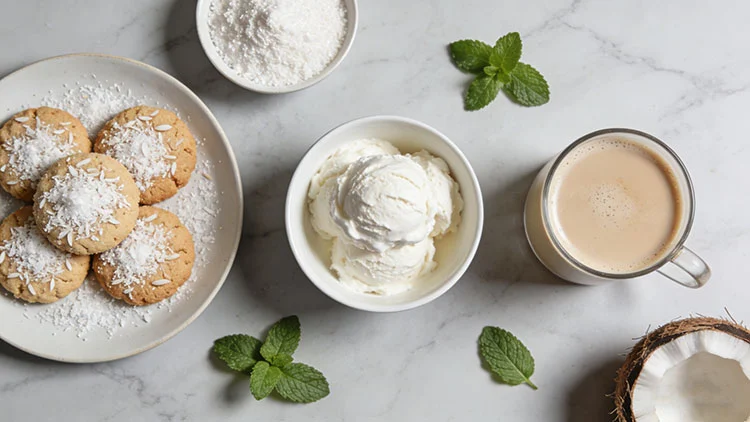
Coconut Powder has revolutionized the baking and dessert industry with its versatility and convenience. Its fine texture allows for seamless incorporation into various recipes, from cakes and cookies to pies and puddings. The powder imparts a rich coconut flavor without adding excess moisture, making it ideal for creating light and fluffy baked goods. In desserts, Coconut Powder can be used to enhance the taste and texture of ice creams, mousses, and frostings. Its ability to dissolve easily also makes it perfect for creating instant coconut-flavored beverages or as a topping for fruit salads and yogurt parfaits. The use of Coconut Powder in baking and desserts not only adds flavor but also contributes to the nutritional profile of the final product.
Savory Dishes and Curries
Coconut powder is a great way to add flavor to Asian and Caribbean home cooking. Because it tastes great and feels smooth, it can be used in cooking instead of coconut milk or cream. There's no way it can go bad or stay cold. When you mix the powder with water, it turns into smooth coconut milk that you can use in place of milk in soups, stews, and sauces. Smooth gravies and marinades can be made with this great ingredient. Making rice, vegetable stir-fries, and meat stews taste better and having more depth is easy to do with coconut powder. There are lots of tasty ways to use the vegetable, and many people all over the world can't live without it.
Smoothies and Beverages
You can make healthy drinks that taste great with coconut powder. The drink business has changed because of this. If you add protein powder, fruits, and vegetables to these shakes, they will taste great. It's great for smoothie bowls without meat or cheese because it's thick and full. Many people make coconut water fast with coconut powder instead of real coconuts because it is better for them. Coffee lattes, hot chocolate, and tea all look more fancy with it. The powder is simple to make and can be used in hot or cold drinks. It's a good choice for recipes that call for drinks because of this.

Shelf Life and Storage of Coconut Powder
Extended Shelf Life
It lasts longer than real coconut, which is great. The powder stays hard for a long time after it's dry because it doesn't have any water in it. Food goes bad because of water. Cocoa powder can usually last up to a year if it is stored and packed properly. You can buy a lot of this because it lasts a long time. You won't have to buy or throw away as much. Coconut powder is great for emergency food stores, outdoor events, and times when food might not be able to be frozen because it doesn't go bad fast. You can eat coconut all year, even when it's not in season, since it doesn't go bad.
Storage Requirements
How you store coconut powder affects how long it stays fresh and how long it lasts. It shouldn't be in full sunlight or near sources of heat. Instead, put it somewhere cool and dry. Keep it at room temperature or a little below in a jar that won't let air in. It will stay clean and not soak up water this way. Most of the time, metal boxes or bags that can be closed again keep coconut powder safe from the weather. No matter how many times the box is opened, the food inside has to stay fresh. Some people like to freeze or chill Coconut Powder to make it last longer. When they need to, this can help them finish it faster. The powder should stay healthy, taste good, and make you feel good.
Moisture Sensitivity
It is very important to keep coconut powder dry, since water can make it less helpful and improve its quality. If the powder gets wet, it might stick together, which changes its texture and makes it harder to use. Very high amounts of moisture can make mold grow, which makes the food unsafe to eat. A small amount of maltodextrin (2–4%) is often added to coconut powder to keep it from getting too dry. This keeps it from clumping together. This keeps the powder from sticking together and helps it stay open. When you work with Coconut Powder, make sure the container stays dry and your tools are also dry. To keep the powder even safer, some makers say to put a packet that soaks up water in the jar where you store it. For Coconut Powder to keep its quality and last a long time, you need to know and be able to control how sensitive it is to water.
Conclusion
In general, Coconut Powder is a good and open alternative to real coconut. Better for you, easy to cook, and lasts longer. Because it is high in vitamins and nutrients, it is a great food for many healthy meal plans and plans. Chocolate powder is better than fresh chocolate in some ways and lasts longer, so homes and food companies need it these days. People want to eat quickly, in a way that is good for them and the earth, and without waste. One thing that meets all of these needs and still keeps the taste of this tropical fruit is coconut powder.
For high-quality Coconut Powder and other plant-based ingredients, Shaanxi SCIGROUND Biotechnology Co., Ltd. offers a wide range of products. As a professional manufacturer and exporter of plant extracts and health food raw materials, SCIGROUND is committed to providing innovative and natural solutions for various industries. With a focus on science, nature, and health, the company continues to develop products that meet the evolving needs of consumers worldwide. For more information or to inquire about our products, please contact us at info@scigroundbio.com.
FAQ
Q: How does Coconut Powder compare nutritionally to fresh coconut?
A: Coconut Powder is more concentrated in nutrients, offering higher levels of minerals and vitamins per serving compared to fresh coconut. It also retains most of the beneficial fats and fiber found in fresh coconut.
Q: Can Coconut Powder be used as a substitute for coconut milk in recipes?
A: Yes, Coconut Powder can be reconstituted with water to create a substitute for coconut milk in most recipes, offering convenience and longer shelf life.
Q: Is Coconut Powder suitable for people with dietary restrictions?
A: Coconut Powder is generally suitable for vegan, gluten-free, and keto diets. However, individuals with coconut allergies should avoid it.
Q: How should Coconut Powder be stored to maintain its quality?
A: Store Coconut Powder in a cool, dry place, away from direct sunlight, in an airtight container to prevent moisture absorption and maintain its quality.
Q: Can Coconut Powder be used in both sweet and savory dishes?
A: Yes, Coconut Powder is versatile and can be used in a wide range of sweet and savory dishes, from desserts and smoothies to curries and marinades.
References
1. Johnson, M. E., & Smith, K. L. (2021). Comparative analysis of nutrient retention in fresh coconut versus coconut powder. Journal of Food Science and Technology, 58(3), 1021-1030.
2. García-López, C., et al. (2020). Antioxidant properties of coconut powder and its applications in food industry. Food Chemistry, 315, 126234.
3. Thompson, R. D., & Williams, A. J. (2019). The role of coconut powder in modern culinary practices: A comprehensive review. International Journal of Gastronomy and Food Science, 17, 100161.
4. Patel, S., & Kumar, R. (2022). Shelf life extension strategies for coconut-based products: Focus on coconut powder. Food Packaging and Shelf Life, 31, 100752.
5. Fernandez-Silva, A., et al. (2018). Nutritional composition and health benefits of coconut powder: A systematic review. Nutrients, 10(7), 780.
6. Brown, L. K., & Green, T. H. (2023). Consumer preferences and market trends in coconut-based products: Fresh coconut versus processed alternatives. Journal of Consumer Behaviour, 22(2), 156-170.
You may like