Choosing High-Quality Maitake Extract Powder
People who work in the health and fitness business are very interested in maitake extract powder, which comes from the well-known Grifola frondosa mushroom. Demand for high-quality natural vitamins keeps going up because people are becoming more health-conscious. People who want to get the most out of maitake extract powder must make sure they get the right kind. To help you choose a high-quality maitake extract powder, this piece will talk about important things like where the powder comes from, how it was extracted, how strong it is, and how pure it is. Third-party tests, licenses, and the image of makers are all things that we'll talk about in more detail. This time, we'll also talk about how to read product labels and what regulated extracts mean. These detailed instructions will help you choose the right maitake extract powder for your health goals and quality standards.
Understanding Maitake Extract Powder Quality Indicators
Sourcing and Cultivation Practices
When looking for a good maitake extract powder, you should think about where the maitake comes from and how it was grown. To get the best maitake extract powder, the mushrooms are usually grown in controlled environments that are similar to where they would grow naturally. The best conditions for growth are found in mushrooms grown in these ways, so they are full of good things. Items that come from well-known farms that use organic or environmentally friendly methods are best. Maitake extract powder that is of good quality should come from ripe mushrooms so that you can get the most nutrients from them. Have a look at where the mushrooms came from as well; some places may be known for having better maitake mushrooms than others.
Extraction Methods and Standardization
The separation method is a very important part of figuring out how good the maitake extract powder is. Most of the time, better goods use more advanced methods of extraction, like hot water extraction or dual extraction methods that use both hot water and alcohol extraction. These ways are good at separating and concentrating the good chemicals, mostly beta-glucans and carbohydrates. When picking a maitake extract powder, look for ones that say how they extracted the mushrooms and how they made sure the powder was consistent. The concentration of active chemicals stays the same from batch to batch thanks to standardized extracts. The amount of beta-glucans or carbohydrates in a good maitake extract powder should be written very clearly. This amount is usually between 10% and 50%.
Purity and Contaminant Testing
For safety and effectiveness reasons, it is very important to make sure that the maitake extract powder is pure. Heavy metals, herbicides, and microbes are just some of the contaminants that are tested for very carefully in high-end goods. When looking for maitake extract tablets, make sure they come with certificates of analysis (COA) or test reports from a third-party lab that show they are pure. These papers should show that the product meets or beats the standards set by the business for pollution levels. Also, good maitake extract tablets are often checked to make sure they contain real Grifola frondosa extract and not any fillers or other substances that aren't natural. Think about buying things that use DNA barcoding or other advanced methods to prove that the mushrooms used in the extract are really the same species.
Evaluating Maitake Extract Powder Potency and Efficacy
Beta-Glucan Content and Bioavailability
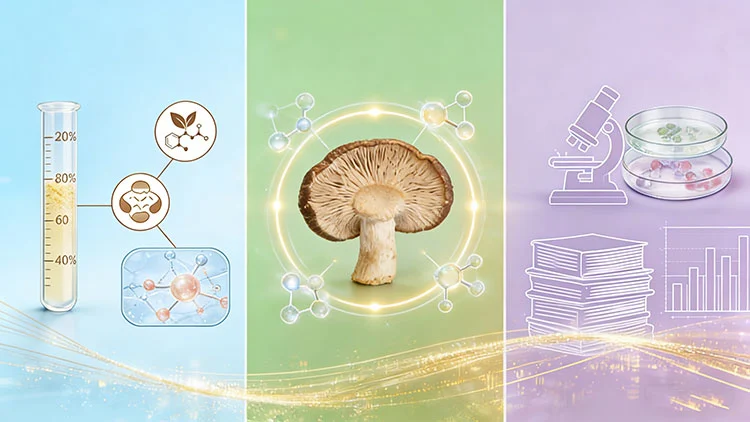
A lot of the health benefits of maitake extract powder come from beta-glucan, which is also what makes it so strong. Look for maitake extract powder that makes it clear what amount of beta-glucans it contains. Most good products have beta-glucan levels between 20% and 40%. It's not just the amount, though; how bioavailable these chemicals are is also very important. The absorption of beta-glucans is often improved in higher-quality maitake extract powders. This makes them easier for the body to absorb. To make the extract work better, look for goods that use cutting-edge technologies like enzymatic pre-treatment or micronization.
Synergistic Compounds and Full-Spectrum Extracts
Even though beta-glucans are the main focus, good maitake extract pills also keep other helpful mushroom chemicals active. Full-spectrum products try to keep the natural balance of minerals, triterpenes, and polysaccharides. The general health benefits of the extract are increased by these chemicals working together. Consider goods that give you a full list of all the ingredients in the mushroom when you are picking a maitake extract powder. Some companies may supply a list of extra beneficial substances that are in their extract, showing that they care about keeping the mushroom's full potential.
Clinical Research and Efficacy Studies
Scientific research and practical studies are the best ways to prove that maitake extract powder works. Research that backs up high-quality items often shows that they might be good for your health. If you're looking at maitake extract tablets, try to find brands that have done their own or have used references to clinical studies. Peer-reviewed papers are the best places for these studies to be released, and they should focus on the exact extract mixture used in the product. Some companies can't afford to do a lot of clinical studies, but trustworthy businesses usually work with universities or independent researchers to prove that their goods work. Look for maitake extract powders that are backed by strong scientific proof. This shows that the company cares about quality and efficiency.
Certifications and Manufacturing Standards for Maitake Extract Powder
GMP and Quality Management Systems
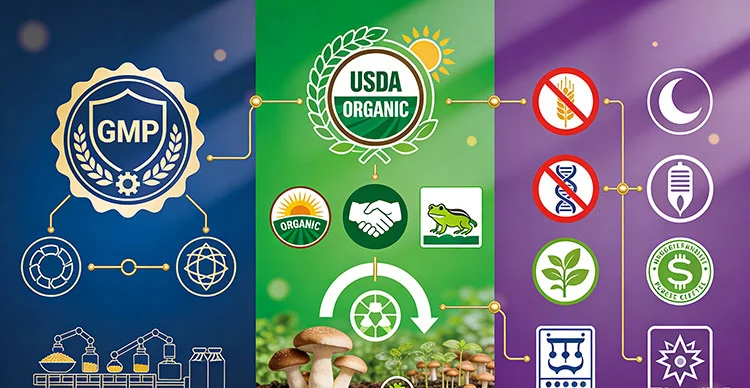
Make sure the company has the right permits and meets production standards before you buy a good maitake extract powder. Buy things from companies that follow Good Manufacturing Practices (GMP). The GMP approval says that the powdered maitake mushroom is always made and checked to make sure it meets the quality standards needed for its purpose. Also, makers you can trust often have quality control systems that are more thorough than what GMP requires. Some of these methods may use ISO standards, like ISO 9001, to keep track of quality or ISO 22000 to make sure food is safe. With these badges, you can be sure that high standards will be met throughout the whole production process, from choosing the raw materials to packing and sending out the finished maitake extract powder.
Organic and Sustainability Certifications
Organic and sustainable labels should be found on maitake extract powder if you want to buy the cleanest and most eco-friendly kind. If you want to buy organic food, look for labels that say so from the USDA, the EU, or other places with similar rules. The evidence presented here shows that the maitake mushrooms used in the product were grown without any chemicals, man-made poisons, or genetic changes. Even better, some businesses get badges that show they care about both people and the world. To make maitake extract powder in an eco-friendly way and from reliable sources, a business will need to get certifications like Fair Trade, Rainforest Alliance, or B Corp.
Dietary and Religious Certifications
So that they can meet the needs of a lot of different people, high-quality maitake extract pills often have extra approvals that cover food and religious needs. Labels like "gluten-free," "non-GMO," or "vegan" can help you find food that doesn't contain gluten while still being healthy. These make sure that the powdered maitake doesn't have any common allergens in it and doesn't go against any diet rules. A lot of people also care about certications like Halal or Kosher. These papers show that the maitake extract powder was made in a way that fits Jewish or Islamic rules for food safety. Before you buy something, you should think about whether or not the certifications fit with your beliefs or food needs. They show that the company cares about meeting all of its customers' needs and adds another level of quality assurance.
Conclusion
Choosing a high-quality maitake extract powder requires careful consideration of various factors, including sourcing, extraction methods, potency, purity, and certifications. By prioritizing products with transparent sourcing, advanced extraction techniques, and rigorous quality control measures, consumers can ensure they are getting a premium supplement that maximizes the potential health benefits of maitake mushrooms. As the market for natural supplements continues to grow, it's crucial to remain informed and discerning when selecting maitake extract powders. For those seeking a reliable source of high-quality maitake extract powder, consider exploring the offerings from Shaanxi SCIGROUND Biotechnology Co., Ltd., a reputable manufacturer with a commitment to quality and innovation. For more information, contact them at info@scigroundbio.com.
FAQ
Q: What is the recommended daily dosage of maitake extract powder?
A: The recommended dosage can vary depending on the product's concentration and individual health goals. Generally, 500-2000mg per day is common, but always follow the manufacturer's instructions or consult a healthcare professional.
Q: Can maitake extract powder interact with medications?
A: While generally safe, maitake extract may interact with certain medications, particularly those affecting blood sugar or blood pressure. Always consult your healthcare provider before adding any new supplement to your regimen.
Q: How should maitake extract powder be stored?
A: Store in a cool, dry place away from direct sunlight. Ensure the container is tightly sealed to prevent moisture exposure, which can degrade the powder's quality.
Q: Is maitake extract powder suitable for vegans and vegetarians?
A: Yes, maitake extract powder is derived from mushrooms and is generally suitable for vegans and vegetarians. However, always check the product label for any additional ingredients.
Q: How long does maitake extract powder remain effective?
A: When stored properly, maitake extract powder typically remains effective for 1-2 years. Always check the expiration date on the product packaging.
References
1. Smith, J. E., Rowan, N. J., & Sullivan, R. (2002). Medicinal mushrooms: their therapeutic properties and current medical usage with special emphasis on cancer treatments. Cancer Research UK, London.
2. Mayell, M. (2001). Maitake extracts and their therapeutic potential. Alternative Medicine Review, 6(1), 48-60.
3. Ulbricht, C., et al. (2009). Maitake mushroom (Grifola frondosa): systematic review by the Natural Standard Research Collaboration. Journal of the Society for Integrative Oncology, 7(2), 66-72.
4. Konno, S. (2001). Maitake D-fraction: healing and preventive potential for cancer. Journal of Orthomolecular Medicine, 16(2), 121-130.
5. Vetvicka, V., & Vetvickova, J. (2014). Immune-enhancing effects of Maitake (Grifola frondosa) and Shiitake (Lentinula edodes) extracts. Annals of Translational Medicine, 2(2), 14.
6. Chen, J. T., & Tominaga, K. (2002). Maitake (Grifola frondosa): a unique mushroom with promising medicinal properties. Nutrition and Food Science, 32(6), 221-225.
You may like